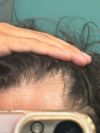
The conversation discusses hair loss treatments, specifically the use of finasteride and dutasteride. Users share experiences of shedding and varying effectiveness, with some suggesting adding minoxidil or a topical anti-androgen for better results.
Dutasteride is preferred over finasteride for hair loss due to fewer side effects. Combining dutasteride with minoxidil and RU58841 is effective for hair regrowth, even during steroid use.
The user reported positive hair regrowth results after six months of using 0.5 mg finasteride and nanoxidil, despite experiencing initial side effects like testicular pain and changes in libido. They noted that nanoxidil was chosen over minoxidil due to less scalp irritation.
A user is creating a custom topical hair regrowth serum using minoxidil, bimatoprost, tretinoin, castor oil, and hyaluronic acid. They are also using dutasteride, oral minoxidil, and castor oil in their current regimen.
The user added melatonin to their 5% minoxidil solution for hair growth, using a concentration of 0.0033%, which equates to roughly 2mg for a 60ml bottle. They later reported no significant difference and planned to continue the treatment for a few more months before potentially stopping to observe any changes in shedding.
The user shared their experience with hair loss treatments, including low-dose minoxidil, finasteride, and essential oils, and expressed concerns about the cognitive side effects of finasteride. They are seeking more information on how finasteride may affect cognition and are considering whether to continue or stop the treatment.
Significant hair regrowth was achieved over six months using minoxidil, finasteride, microneedling, biotin and collagen shampoo, and MSM powder. The user feels more confident and may consider a hair transplant if necessary.
The user shared their hair regrowth journey using finasteride, oral minoxidil, and dutasteride over 1.5 years, showing significant improvement. They experienced no side effects and noted increased body hair growth with oral minoxidil.
PP405 shows promise in hair regrowth, potentially outperforming existing treatments like finasteride and minoxidil, with significant results in just four weeks. The treatment is still in early stages, with further trials needed to determine its long-term effectiveness and optimal dosage.
The user experienced significant hair regrowth using 1mg of finasteride three times a week, with mild side effects like gynecomastia and breakouts. They are considering starting minoxidil.
The user experienced significant hair improvement after 4 months of using 1.25mg finasteride daily and 5% Minoxidil foam. They reported no side effects and no noticeable shedding phase.
A user experienced significant hair regrowth after 4 months using topical finasteride and minoxidil, along with dermastamping and biotin supplements, without side effects. They are not considering a hair transplant due to the success of this regimen.
The user experienced some hair regrowth using twice daily topical 5% minoxidil and once daily oral 1mg finasteride, along with dermarolling. They plan to continue this regimen for at least two years and may try additional treatments if needed.
The conversation is about using melatonin for hair loss, with users discussing different products and methods for topical application. They mention concerns about ingredients and cost, and one user suggests a magnesium scalp serum with melatonin.
The user has been using finasteride for five years and minoxidil foam for 1.5 years to combat hair loss, experiencing significant regrowth after an initial shedding phase with minoxidil. They shared progress pictures and discussed treatment experiences, including the addition of minoxidil to their regimen after noticing reduced efficacy with finasteride alone.
The user is exploring topical Saw Palmetto as a milder alternative to microdosing topical Finasteride for hair loss, aiming to minimize systemic DHT impact. They plan to experiment with this herbal remedy for a year to assess its effectiveness on their mild androgenetic alopecia without significant side effects.
Using Dutasteride as a hair loss treatment and its potential benefits, including availability in certain countries without a prescription and lower side effects than Minoxidil or RU58841.
Progress made with a hair loss routine that includes topical Minoxidil/Finasteride, Nizoral shampoo and Micro needling. Additionally, the user switched to sulfate-free shampoo and conditioner, as well as taking a Hair & Nails supplement.
Potential treatments for hair loss, specifically the combination of liquid minoxidil and pyrilutamide, with some suggesting that adding finasteride may be beneficial.
The conversation discusses hair loss treatments using oral minoxidil, oral dutasteride, and mesotherapy dutasteride, showing impressive 6-month results. The user wishes these treatments were available in the U.S.
A user's personal hair loss progress with treatments, including finasteride (1.25mg), minoxidil, needling, and Nizoral; and advice from other users on how to perform the needling correctly.
The user experienced significant hair shedding after starting finasteride and minoxidil but saw improvement over time. They switched to dutasteride and added oral minoxidil, hoping for better results despite expecting more shedding.
A user is experiencing uneven hair thinning and has tried topical minoxidil without success and finasteride with adverse effects. They are considering microneedling and PRP treatments while avoiding finasteride, and another user suggests trying dutasteride as an alternative.
The user experienced hair regrowth using 2.5mg finasteride daily and by drinking topical minoxidil mixed with water. Commenters advised against this method, suggesting oral minoxidil for safety.
Creatine may worsen hair loss in some, especially with androgenic alopecia, but evidence is mixed. Some users experience no hair loss when using creatine with minoxidil and finasteride, while others notice increased shedding.
The user has maintained hair with topical minoxidil (8%) and finasteride (0.01%) for 7.5 years, experiencing mild regrowth and no side effects. They also use rosemary oil, jojoba oil, and magnesium oil for hair care.
A user experienced significant hair shedding and thinning 10 months post-hair transplant despite using minoxidil and topical finasteride. They are considering switching to oral finasteride or dutasteride and are also dealing with scalp conditions like seborrheic dermatitis.
Onion juice helped with hair loss but was smelly and inconvenient. The user now uses dutasteride and minoxidil, finding them more effective and practical.
A user was prescribed 5mg of Finasteride daily for hair loss, which is a higher dose typically used for prostate issues. Many suggest using a pill cutter to reduce the dose to 1mg or less per day, as it is more cost-effective and equally effective for hair loss.