Justin Bieber has had multiple hair transplants, with discussions on the cost and quality in places like Turkey. Despite using treatments like finasteride, his hairline appears unnatural to some.
A user shared their experience with three hair transplants, finasteride, and minoxidil to combat severe hair loss, achieving significant regrowth. They discussed the process, costs, and maintenance, emphasizing that transplanted hair is permanent and doesn't require ongoing medication.
The user experienced worsening hair loss after switching treatments and is now using generic minoxidil and finasteride. They are considering continuing finasteride, trying dutasteride, or combining treatments like mesotherapy for better results.
Swelling after a hair transplant is normal and can be reduced with ice packs, head elevation, and possibly corticosteroids. The user had a no-shave FUE procedure and is using oral finasteride and minoxidil.
A sugar gel was claimed to trigger hair regrowth, but users reported no results and potential cancer risks. The discussion included comparisons to minoxidil and skepticism about the effectiveness of the sugar treatment.
Topical treatments like minoxidil and finasteride are preferred for hair loss due to ease of use and natural appearance. Hair systems are considered high-maintenance and less genuine.
A user shared their experience with a Long Hair DHI Hair Transplant, receiving 2,750 grafts. They plan to continue using Dutasteride and Topical Minoxidil post-surgery.
A user shared their 1.5-year hair restoration journey, successfully using mesenchymal stem cell therapy, Platelet Rich Plasma (PRP) injections, and a topical compound of finasteride and minoxidil, avoiding a hair transplant and oral finasteride. They experienced significant hair regrowth, particularly crediting the stem cell therapy for quick initial results.
A user had two hair transplant surgeries, using a total of 6850 grafts from the scalp, beard, and chest, costing around $20,000 USD, and is happy with the results, though the crown may not be as dense as the hairline. They experienced no scarring from the donor areas and noted that transplanted beard and chest hair are thicker and curlier.
A user who has been shaving his head for 15 years looking for potential treatments to regrow hair; the replies range from advice to try out medications such as finasteride and minoxidil, to suggestions of changing up his look with facial hair or hobbies.
Hair loss treatments include Finasteride, Minoxidil, Ketoconazole shampoo, and Microneedling. Additional options are Dutasteride, oral Minoxidil, and hair transplants.
The user is dissatisfied with their hair transplant results from Asli Tarcan, citing poor donor area management and insufficient graft density. They advise against opting for cheaper procedures and express hope for future hair cloning solutions.
Hair loss treatments like finasteride, minoxidil, and hair transplants have side effects and limitations. There is hope for future advancements in stem cell therapy and hair follicle regeneration, though skepticism about their effectiveness and timeline persists.
The efficacy of various hair loss treatments, including Finasteride and Dutasteride, with personal anecdotal evidence about potential side effects. It also includes advice to get a male hormone blood panel done before starting treatment, and lifestyle changes to minimize side effects.
HairClone is developing cell replacement treatments to rejuvenate and generate hair follicles, and has launched a crowdfunding campaign. A user expressed skepticism about the need for crowdfunding.
The conversation discusses the use of 0.1% latanoprost for hair regrowth, with concerns about cost and dependency. The user currently uses dutasteride and oral minoxidil and is considering adding latanoprost to their regimen.
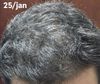
The user is experiencing significant hair regrowth using a regimen of finasteride, minoxidil, a special shampoo with natural ingredients, and weekly derma stamping. They are questioning whether the progress is due to actual regrowth or just longer hair, with plans to update after a haircut for better comparison.
A user shared progress pictures one year after a hair transplant with 2,000 grafts on the crown area. They use topical minoxidil and finasteride daily, along with biotin supplements.
User experienced hair loss and tried Minoxidil, laser helmet, and Finasteride. Finasteride caused depression and sexual side effects, but user had a successful hair transplant.
Hair systems require frequent maintenance and can be costly, but a DIY approach with bi-weekly changes can help manage these issues. Minoxidil and finasteride were tried but not consistently used due to side effects and personal preferences.
A hair transplant performed by Dr Bruno Ferreira in Portugal, which has improved the user's appearance and self-confidence. The user also mentioned taking finasteride for 5 years to help with their hair loss.
A user shared their experience with hair regrowth using supplements like NAC and DIM, and briefly using minoxidil with microneedling. They reported some improvement in hair density, but the community questioned the effectiveness compared to traditional treatments like finasteride.
Hair growth caps and helmets using low-level laser therapy (LLLT) show potential for treating androgenetic alopecia, but more research is needed. Users often combine these devices with treatments like minoxidil and finasteride for better results.
Hair growth relies on mechanical forces, not just chemicals, with tissue acting like a motor. Minoxidil and finasteride help, but maintaining tissue elasticity and addressing mechanical issues are essential.
A 33-year-old experienced significant hair loss after a depressive episode and taking paroxetine, possibly due to telogen effluvium or androgenic alopecia. Suggestions included reducing alcohol, considering finasteride and minoxidil, and consulting a doctor about antidepressant side effects.