.
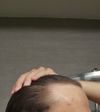
This user reported using 1mg of finasteride and topical application of 1ml minoxidil twice a day for one year, with good results, no shedding and no side effects.
The user has been using finasteride, minoxidil, dermaneedling, and keto shampoo with great results. They seek a propylene glycol-free, volume-boosting shampoo for thin and fine hair.
Experiencing continual nonstop hair loss despite using dutasteride for 9 months, and the possible causes behind it being discussed such as nutritional deficiencies, elevated cortisol, vitamin D deficiency or other problems. Other solutions such as minoxidil and finasteride have been suggested.
Rice water does not regrow hair but makes it thicker, stronger, and healthier. It is used as a rinse, showing noticeable improvements in hair thickness and volume within three weeks.
Finasteride, minoxidil, dermarolling, and topical antiandrogens are effective for hair regrowth. Future treatments may include CB0301 and hair cloning.
A user shared their positive experience with a non-surgical hair replacement system, detailing the purchase and maintenance process, including using Walker Lace Front Support Tape and various adhesives. They found the system secure and undetectable, allowing them to engage in active pursuits without issues.
A user noticed worsening hair loss and is considering treatments. They plan to use finasteride, Rogaine, and a ketoconazole shampoo, and seek advice on their effectiveness and usage.
People are discussing hair loss treatments, including minoxidil, finasteride, and RU58841, to turn vellus hairs into terminal hairs. Some users also mention using antibiotics, oral minoxidil, dutasteride, DHT blockers, biotin, and natural remedies like onion juice and seeds to improve hair growth.
Rapamycin, finasteride, and minoxidil are discussed as a strategy for hair loss prevention and reversal. Pulsed dosing of rapamycin is suggested to avoid conflicting effects with minoxidil.
Topical 2-deoxy-D-ribose (2dDR) regrows hair in mice almost as well as 2% Minoxidil. However, 2dDR may contribute to oxidative stress and hair loss due to the formation of advanced glycation end products (AGEs).
The user noticed increased hair thinning and scalp redness on one side of their temple. They are seeking advice on what this could be and how to address it.
The conversation discusses hair loss treatments, focusing on insulin resistance, microneedling with topical melatonin, and stress reduction. Users express skepticism about the advice, preferring proven treatments like minoxidil and finasteride, while some mention alternative methods like dermal incisions and verteporfin for reducing fibrosis.
The conversation discusses the importance of scalp skin barrier health in hair follicle cycling, suggesting treatments like ceramides or niacinamide to support hair growth. It also mentions the use of finasteride for hair loss.
Scalp inflammation may contribute to hair thinning, with treatments like ketoconazole shampoo potentially helping by reducing inflammation. Some users report that DHT blockers and other treatments like finasteride, minoxidil, and RU58841 can alleviate symptoms associated with inflammation.
A 25-year-old is experiencing chronic telogen effluvium (TE) and androgenetic alopecia (AGA) after surgery, using finasteride, red light therapy, and supplements, and considering oral minoxidil despite heart concerns. They are unsure whether to start minoxidil before or after an upcoming surgery, which may trigger another hair shed.
The conversation discusses hair loss treatments without using Minoxidil, Finasteride, or Dutasteride, focusing on addressing hormonal issues and low ferritin levels. Suggestions include consulting a hematologist, checking for vitamin D deficiency, thyroid issues, anemia, and considering serums with copper peptides.
The conversation discusses various supplements and vitamins like Vitamin D3, K2, Biotin, Iron, Zinc, and B Vitamins for improving hair health. It also mentions a combination of Tocotrienols, Pycnogenol, Saw Palmetto, Pumpkin Seed Oil, Stinging Nettle, and Myricetin for stabilizing hair, with Saw Palmetto, Pygeum, and Stinging Nettle noted for thickening hair despite side effects.
The conversation is about hair regrowth, with the original poster using natural oils and supplements like pumpkin seed, saw palmetto, and zinc, while considering pharmaceutical options like minoxidil, finasteride, and dutasteride. Most users suggest using finasteride or dutasteride for effective results, as natural remedies are seen as ineffective.
A 78-year-old man regrew hair after suffering burns, suggesting that injury-induced healing processes might trigger hair growth. Microneedling and other treatments like minoxidil and finasteride are discussed as potential methods to stimulate similar regrowth.
Finasteride users may have an increased risk of depression, anxiety, and suicidal thoughts, though some attribute these issues to hair loss itself. The link between finasteride and mental health effects is debated, with varying user experiences.
PP405 may damage hair follicles if used long-term, suggesting cycling might be necessary. Combining it with finasteride could help maintain hair growth.
An 18-year-old is using oral finasteride, topical minoxidil, ketoconazole shampoo, and tretinoin for severe hair loss and is considering adding dutasteride. Despite concerns about starting finasteride at a young age, the user prioritizes preventing further hair loss over potential hormone issues.
A 27-year-old male experiencing increased hair loss despite using 0.5mg dutasteride daily, minoxidil nightly, and optimizing vitamin D, is considering zinc supplementation and seeking a dermatology referral. Concerns about potential shedding, thyroid levels, and zinc dosage are discussed, with advice to monitor and avoid over-supplementation.
A sugar gel has been found to aid hair regrowth, similar to minoxidil, and may improve blood supply to hair follicles. Some users report success with homemade versions, though side effects like dizziness have been noted.
Hypoxia may enhance hair growth by stimulating stem cells, but it could also risk fibrosis. Some users humorously discuss extreme methods like choking while using minoxidil, highlighting the need for new treatments.
Epristeride is a selective 5 alpha reductase type 2 inhibitor that may reduce scalp DHT similarly to finasteride, with potentially fewer side effects. It is suggested that combining epristeride with finasteride or dutasteride could enhance hair loss treatment effectiveness.
OP is pausing hair loss treatments to focus on mental health due to anxiety and side effects from RU58841. They plan to try topical finasteride and minoxidil after recovering from pneumonia.
A user stopped hair loss after taking finasteride daily for four years, with minimal regrowth and no side effects. They believe stress initially caused their hair loss.