Hair loss treatments, particularly using finasteride and minoxidil. The user has experienced positive results from taking finasteride with no side effects and suggests listening to the podcast of Spencer Kobren for more information on such treatments.
Hair loss treatments, including minoxidil, dermarolling, finasteride, dutasteride, hair transplants, hair systems, and shaving the head. The conversation covers various opinions on these treatments and mentions possible side effects as well as alternatives like wigs, vitamins, and lifestyle changes. The post expresses disappointment that there has been no major breakthrough in the field of hair loss treatments despite decades of research.
Hair thinning possibly due to rapid weight loss and dietary changes, with no nutrient deficiencies found. The user is taking vitamins and considering seeing a hair specialist to promote regrowth.
The conversation discusses hair thinning potentially linked to gut health issues and suggests biotin as a possible treatment. It also mentions that hair thinning could be due to male pattern baldness (MPB).
A 23-year-old is experiencing hair loss, primarily at the top middle of the head, and is considering finasteride but is hesitant due to potential side effects. Other users share their positive experiences with finasteride, suggesting it is worth trying, while also discussing the importance of researching and monitoring for any side effects.
The conversation discusses potential hair loss treatments, including hair cloning, setipiprant, and topical finasteride, questioning their availability and effectiveness as permanent cures. The user is inquiring about the release dates and efficacy of these treatments.
Hair loss shouldn't dominate your life; focus on confidence and social aspects. Celebrities like Theo James, Henry Cavill, and Ryan Reynolds also experience hair loss but remain attractive and successful.
The conversation discusses affordable hair loss treatments, including topical finasteride, minoxidil, tretinoin, and natural remedies like castor and peppermint oil. Specific treatments for hair loss are the focus.
Hair loss treatments, specifically the use of Alfatradiol as an over-the-counter topical 5AR inhibitor that has been shown to be effective in stopping hair loss without side effects. Other treatments discussed include Minoxidil, finasteride and RU58841.
A 23-year-old feels devastated by hair loss despite using Minoxidil and finasteride since age 18, and is advised to embrace baldness, improve physical fitness, and consider hair systems. The conversation emphasizes self-acceptance, confidence, and exploring new interests to improve mental well-being.
A user plans to experiment with creating new hair follicles using methods like derma rolling, applying lithium chloride, tannic acid, and various other substances including caffeine, ketoconazole, and raspberry ketones. They also consider using anti-inflammatories, immunosuppressants, and DHT inhibitors to potentially improve results.
A treatment containing Wnt and Follistatin was found to be safe and effective for hair regrowth in a Phase 1 clinical trial. Specific treatments discussed include Minoxidil, Finasteride, and RU58841.
RepliCel has purchased Trichoscience, and they have a video about hair multiplication. The conversation also mentions treatments like Minoxidil, finasteride, and RU58841.
After stopping oral finasteride, shedding is common, and some regrowth may occur, but hair loss might continue. Alternatives like minoxidil, ketoconazole, or microneedling can be considered if finasteride side effects are problematic.
A user shared their positive experience with a hair transplant at Diamond Hair Clinic in Istanbul, performed by Dr. Mehmet Demircioglu, using the Sapphire FUE technique with 4500 grafts. They previously used minoxidil and finasteride, which helped slightly, and plan a follow-up surgery for further improvements.
An 18-year-old experiencing mild hair thinning is prescribed ketoconazole shampoo, clobetasol, and a solution with minoxidil, finasteride, and tretinoin. They are hesitant to start finasteride due to concerns about systemic absorption and its impact on facial hair development.
A 22-year-old is experiencing worsening hair loss despite using a doctor-prescribed serum and shampoo. They are seeking advice on additional treatments like Minoxidil, finasteride, or RU58841.
The user is experiencing hair regrowth in small clusters using oral minoxidil, oral finasteride, a red light cap, and Nizoral 2% shampoo. They are hopeful for continued improvement and thicker hair.
A 26-year-old male with early hair thinning is using finasteride, topical minoxidil, and supplements for deficiencies in iron, B12, and vitamin D3. He is considering adding oral minoxidil to his treatment plan.
Finasteride can increase body and facial hair growth due to increased testosterone, despite its intended use to reduce hair loss on the scalp. Some users consider trying topical finasteride for less systemic impact, while others report mixed results and side effects.
The user is concerned about hair loss and is considering treatments like finasteride and minoxidil but is unsure about their effectiveness and side effects. They have experienced mixed reactions to shaving their head and are struggling with confidence due to balding.
Sons offers free Biotin capsules, Thickening Clay, or Conditioner to UK men for hair care testing. Interested individuals can apply online to receive these products.
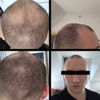
A 30-year-old male with androgenic alopecia started using topical Minoxidil in 2018, Finasteride in 2020, and switched to oral Minoxidil and Dutasteride after Finasteride stopped working. He underwent hair transplants in 2022 and 2025, showing significant improvement in recent photos.
After taking finasteride for 192 days, the user experienced side effects like depressed mood and decreased libido, along with worsening hair thinning and scalp issues. Despite consulting a dermatologist, the user's hair condition and scalp itchiness have not improved.
Finasteride helped OP recover their hairline, and they did not use minoxidil. OP experienced significant hair regrowth with finasteride, similar to their father's experience.
A user shared their experience 7.5 months after receiving 3950 hair grafts at Sule Hair Transplant in Istanbul, Turkey, with positive feedback on the transformation. The discussion included costs, recovery time, and the use of medications like finasteride and minoxidil post-transplant.
The user has been using 5mg minoxidil for a year, resulting in more body hair but no new hair growth on the head. They are seeking advice on promoting hair growth on the scalp.