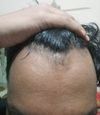
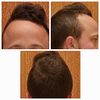
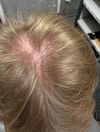
A user's 6 month progress using finasteride and minoxidil as treatments for hair loss, with the replies discussing side effects and general consensus about usage of the two medications.
The conversation discusses whether 2.5mg of dutasteride or 200mg of testosterone weekly is more influential in preventing hair loss, with various personal experiences indicating that the effectiveness is dependent on the individual's genetic profile. Some users report that dutasteride is likely to be more effective at the given doses.
The conversation discusses whether lifestyle factors like diet and sleep affect hair growth in people with reversible hair loss. Some believe these factors, along with treatments like minoxidil, finasteride, and RU58841, can improve hair health, while others argue hair loss is mostly determined by genetics and DHT sensitivity.
The original poster believes shaving his head made him more attractive to a specific group of women, despite being less attractive overall. The conversation includes various opinions on attractiveness, with some agreeing that being bald can work for certain men, while others suggest maintaining hair is generally more appealing.
User "Chemical_Elephant_70" shares 2.5 months progress with finasteride. Some users doubt results, mentioning use of topical minoxidil and questioning hair growth cycle.
The conversation discusses the pros and cons of dutasteride for male pattern baldness, with a focus on its long half-life. The user, a physician, also mentions that switching from finasteride to dutasteride can cause temporary hair loss until dutasteride reaches effective levels or accelerates the haircycle.
A user is trying to reverse male pattern baldness (MPB) naturally by taking high doses of Vitamin D, improving diet, exercising, reducing stress, and other lifestyle changes, but plans to use finasteride if no results are seen in 60 days. Other users are skeptical, advising medical treatments like finasteride and warning against potential vitamin D overdose and the ineffectiveness of natural remedies for genetic hair loss.
A 26-year-old male has been using dutasteride for one year after previously using finasteride, along with 5% minoxidil and micro-needling, to treat hair loss. He reports no side effects and is satisfied with the progress, noting some shedding as part of the haircycle.
A teenager experiencing hair loss is using minoxidil, a derma roller, and plans to add ketoconazole shampoo to their routine. They are advised to continue this regimen consistently for at least six months to see results, with the shedding being a normal part of the process.
The user experienced hair shedding in late summer after starting finasteride in December 2023, with regrowth by February. They are concerned about shedding again and question if finasteride is losing effectiveness.
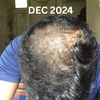
The user experienced hair loss since 2021, tried various treatments, and is currently using oral minoxidil and finasteride since December 2024. They are experiencing shedding, which is common when starting or stopping treatments, and are advised to continue the current regimen as it may stabilize over time.
The conversation discusses the importance of scalp skin barrier health in hair follicle cycling, suggesting treatments like ceramides or niacinamide to support hair growth. It also mentions the use of finasteride for hair loss.
The user is experiencing hair thinning after increasing finasteride to 0.5 mg daily and oral minoxidil to 3 mg. They are concerned about whether this is normal and if the recent dose increase is affecting their hair, as they plan a hair transplant in 5 weeks.
The conversation is about a user experiencing hair shedding after starting oral minoxidil at 1.5mg for hair loss. Shedding is considered normal and may indicate the treatment is working, but it may take months to see full results; increasing the dose to 2.5mg should be carefully considered.
The user is seeking advice for the best topical treatment to combat their ongoing hair loss, despite already using oral dutasteride, RU-58841, and minoxidil. They are considering adding CB-03-01 or topical Spiro to their regimen to lower testosterone levels at the follicles.
How some people start going to the gym when they begin to lose their hair, as well as discussing various treatments (Finasteride, Minoxidil and Dermarolling) for hair loss.
A 38-year-old with type 4c hair has experienced significant hair regrowth using oral finasteride and topical minoxidil for a year. They are concerned about potential shedding from a new hair growth serum and oil product, despite their current treatment.
A 27-year-old male is experiencing a recurring pattern of hair loss after 5 months of using oral minoxidil and finasteride, despite initial success. He is considering using topical androgen receptor blockers like RU58841, pyrilutamide, or clascoterone to address potential androgen receptor hypersensitivity.
The user is concerned about the quick prescription process for hair loss treatments like Minoxidil and Finasteride through HIMs, questioning the lack of a thorough evaluation. Another user reassures that such practices are common, emphasizing the effectiveness and low risk of these treatments, and suggests monitoring personal response to the medication.
Dutasteride is likely the most effective treatment for male pattern baldness, followed by finasteride and minoxidil in various forms and dosages. Users discuss personal experiences, dosages, and potential side effects, with some considering combining treatments for better results.
A 28-year-old male is experiencing excessive hair shedding despite using oral and topical minoxidil, and occasionally using ketoconazole shampoo. He is considering trying GHK-Cu serums but cannot use finasteride.
A 25-year-old from Spain is considering starting finasteride for hair loss after using minoxidil for two years with limited success. They seek advice on private dermatology practices in Spain, including prescription processes, treatment duration, and costs, and ask for experiences from others using finasteride.
A 31-year-old individual started taking finasteride 24 days ago to address hair thinning and loss, which has worsened their mood and stress. They have not yet added minoxidil and are experiencing significant shedding, contributing to sleep issues and insecurity about their hairline.
The user started using topical finasteride 0.025% and minoxidil 5% for hair loss but is experiencing increased shedding after two months without signs of regrowth. They are seeking advice on when to expect results or consider switching treatments.
The post discusses frustration over the limited and not always effective treatments for hair loss, mainly Minoxidil and Finasteride. The conversation includes mentions of potential new treatments like GT20029, HMI-115, CosmeRNA, KX-826, and microneedling, but also highlights the challenges of funding and prioritizing research in this area.
A 28-year-old male started using oral finasteride and minoxidil on July 14th and noticed slight hair regrowth and thickness after 2.5 months, despite ongoing shedding. Another user advised that shedding is normal and encouraged continued use for up to a year for full results.
The user has been using Minoxidil and finasteride for a year with good progress but is now experiencing increased hair shedding. They are concerned and questioning if this is normal or a cause for worry.
The conversation discusses the complexity of hair loss causes, suggesting that DHT sensitivity alone doesn't fully explain it. Treatments mentioned include finasteride and dutasteride.