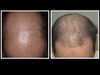
Finasteride and dutasteride may increase estrogen levels, leading to water retention and a fuller face. Users discuss managing these effects with lifestyle changes and supplements like zinc and DIM.
Finasteride and minoxidil can be obtained cheaply through Mark Cuban's Cost Plus Drugs and Costco's Kirkland brand, respectively, costing about $7.53/month combined. Amazon's RXPass and virtual visits at Dr. B. offer additional savings.
The conversation is about the effectiveness of 0.25% topical finasteride compared to other concentrations and forms. Users discuss its potential for better scalp DHT reduction and fewer side effects, with some preferring topical over oral treatments.
The post and conversation are about microneedling as a treatment for alopecia. It provides a comprehensive review of scientific literature on the technique and its application.
The conversation discusses hair color change and shedding, questioning if it's due to Telogen Effluvium or Androgenetic Alopecia (AGA). Treatments mentioned include Minoxidil, finasteride, and RU58841.
A 45-year-old from Lahore, Pakistan, shares their 7-month hair growth progress after starting a new hair regeneration treatment. Previous treatments with minoxidil and finasteride showed no progress.
After a 1,200 graft hair transplant and using minoxidil and finasteride, the user's hair initially improved but later thinned and changed texture. They are seeking advice on this issue and have a dermatologist appointment scheduled.
The user is experiencing hair that doesn't grow past a certain length despite using minoxidil and finasteride for male pattern baldness. Suggestions include trying dutasteride, microneedles, and ketoconazole shampoo.
The user experienced long-term pain after an FUE hair transplant and is considering Kenacort injections for relief. They also reported brain fog, dizziness, and anxiety after stopping minoxidil and finasteride, and are currently using PRP, microneedling, and rosemary oil for hair maintenance.
Using high doses of testosterone with RU58841 to create an androgen-free environment for hair regrowth is suggested, but concerns about heart health and the effectiveness of this approach are raised. Alternatives like topical estrogen, progesterone, and other treatments like finasteride and dutasteride are discussed.
Hair shedding can still occur after long-term use of finasteride, and it is often part of the natural hair cycle. Some users consider adding minoxidil or switching to dutasteride to manage shedding.
A user experienced significant hair regrowth and stopped hair loss after taking 0.5mg of dutasteride daily for a month, without using minoxidil. They reported no side effects and were pleased with the results.
A 25-year-old is struggling with hair loss despite using treatments like oral Minoxidil, oral and topical Finasteride, Dutasteride, and PRP sessions. They feel frustrated with inconsistent treatment strategies and are seeking advice on managing thin hair and regaining confidence.
Hair shedding decreased significantly after using finasteride and minoxidil, with users reporting fewer hairs falling out when running fingers through their hair. Some users experienced initial shedding with treatments like dutasteride, but shedding eventually stopped or reduced significantly.