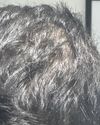
A 20-year-old is experiencing hair thinning and seeks advice on starting treatment and regrowing hair. They are considering using Minoxidil, finasteride, or RU58841.
The user experienced thicker and healthier hair after 1.5 years of using finasteride daily, with no side effects. They plan to start minoxidil to enhance regrowth.
Androgenetic alopecia is caused by DHT affecting hair growth. Finasteride and minoxidil are used to manage hair loss by blocking DHT and promoting hair growth.
The method combines finasteride, minoxidil, intense leg exercises, and cold exposure to treat androgenetic alopecia. It aims to boost metabolism and reduce androgenic effects, enhancing hair growth.
A 16-year-old experiencing hair loss seeks treatment advice. They decide to start with Serioxyl, Ketoconazole shampoo, and Eucapil, considering Minoxidil and Finasteride for later use.
People discussing their experiences with natural treatments for hair loss, such as essential oils, deep scalp massages, anti-inflammatory measures, and supplements. Most of the replies suggest that these treatments are not effective and recommend medication such as minoxidil or finasteride instead.
The conversation is about someone showing hair regrowth using liquid Minoxidil and vitamins, with others suggesting the addition of finasteride to maintain the improvement.
Kintor's Pyrilutamide results for hair loss treatment will be released soon. The treatment may replace current treatments like finasteride and minoxidil without systemic side effects.
An 18-year-old decided to start taking finasteride for hair loss, justifying it by stating that finasteride is the most effective treatment available and that the risk of side effects is low, with clinical trials showing it stops hair loss in 80% of men. The user encourages others not to be deterred by negative forum posts and to consider their own experience and clinical data.
A user shared their experience with hair loss treatments, noting improvement after switching from minoxidil and finasteride to dutasteride. They observed new hair growth and reduced scalp inflammation, expressing hope for further progress.
The user shared their positive experience with a hair loss treatment regimen, which includes a diluted version of Hims finasteride spray, Kirkland 5% minoxidil, and weekly dermarolling. The user also mentioned taking hair multivitamins and plans to continue updating on their progress.
The user experienced side effects from oral finasteride and switched to a DIY topical solution, then to Essegen F. They noticed increased hair shedding with the topical finasteride and are concerned about its normalcy and duration.
Using oral finasteride in combination with topical minoxidil and dermarolling for hair loss. Some users have reported significant regrowth when adding finasteride to their minoxidil routine, suggesting that reducing DHT levels may be a key factor in hair regrowth.
A user questions if ingesting topical minoxidil could be an alternative to oral minoxidil for hair loss. Another user reports success with this method, noting they saw results and experienced no adverse effects.
A user's success in treating their hair loss with 2x daily topical dutasteride and minoxidil, as well as the potential for using less frequent application of topical dutasteride due to its long half-life.
A user shared their experience with scalp micropigmentation (SMP) after one year. They discussed using Minoxidil, finasteride, and RU58841 as treatments for hair loss.
Scalp tension from the occipitalis muscle is theorized to contribute to hair loss, but most believe DHT and genetics are the main causes. Treatments like finasteride and minoxidil are considered more effective than addressing scalp tension.
A 31-year-old with diffuse thinning experienced significant hair regrowth after nearly 5 months on Finasteride 0.75mg MWF. Despite initial side effects like testicle pain and reduced sex drive, these issues resolved, and positive effects included reduced nighttime urination and scalp itching.
The conversation discusses the effectiveness of RU58841 for hair loss compared to pyrilutamide, which failed to show significant hair regrowth in trials. Some users report personal side effects with RU58841 and question the criteria for success in hair loss treatments.
A 29-year-old woman is experiencing gradual hair thinning since age 15, suspects Androgenic Alopecia, and has tried 5% minoxidil with little success. She has purchased various hair loss treatments including minoxidil, dutasteride, finasteride, and spironolactone, but is cautious about starting them due to potential interactions with her ADHD medication.
The conversation is about a 23-year-old male's seven-month progress in treating hair loss using 1mg finasteride daily and minoxidil, which he added after 4/5 months. The responses are positive, praising his noticeable improvement and encouraging him to continue the treatment.
The post discusses speeding up verteporfin trials for hair loss treatment. The original poster, involved in the trials, requests help in crowdsourcing doctor emails to spread awareness and gather more support for the trials.
The conversation is about the double standard in the hair loss community regarding shedding when using different treatments. The conclusion is that shedding is considered normal when starting finasteride or minoxidil, but not when starting dutasteride, despite the fact that dutasteride is more effective at reducing DHT.
A user discusses starting nandrolone replacement therapy to stop hair loss and improve hair health, noting its benefits over finasteride. They report halted hair loss, improved skin, increased muscle, and a calm mood after three weeks.
Why the top of the head is affected by hair loss more than other areas, and treatments such as surgery, medications like minoxidil, finasteride, and RU58841 to treat it.
The user has been using Dutasteride for over a year for hair loss and is considering a hair transplant if it doesn't work. Suggestions include adding Minoxidil and microneedling, but some advise against a transplant as the current treatment seems effective.
User plans to switch from oral to .005% topical finasteride, using a solvent from minoxidilmax and later Essengen-F. They will monitor DHT levels and seek advice on solvents and sleep caps.
Topical finasteride is considered a safer option for hair regrowth with fewer systemic side effects compared to oral finasteride. Some users report similar efficacy and side effects between topical and oral treatments, while others prefer topical due to reduced systemic exposure.
User discusses using low dose topical finasteride without minoxidil for hair loss. Another user shares their experience with homemade 0.025% finasteride topical, shedding, and microneedling.
The user has been on finasteride for 7 months, seeing darker, fuller hair but experiencing significant shedding. They are considering adding minoxidil to their treatment to address the shedding.