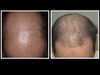
A user is concerned about weight loss stagnation while using minoxidil and finasteride during a calorie-cutting diet. Responses suggest water retention or a weight loss plateau as possible causes.
Long term Finasteride users and whether or not they have noticed improvements after two years of use, with other treatments such as Minoxidil and dermarolling also discussed. Some replies suggest that improvement is possible even beyond the two year mark while others caution against believing studies backed by the Post-Finasteride Foundation.
GriffinLiftin experienced significant hair regrowth after 6 months using oral finasteride and minoxidil, along with hair care products like leave-in conditioner, curl-cream, and olive oil. They started treatment early due to a family history of balding and are pleased with the life-changing results.
A user shared their 4-month progress using a topical solution with 5% minoxidil and 0.1% finasteride, applied twice daily. They reported good results despite occasional missed applications.
Oral minoxidil can cause side effects like shortness of breath and constipation, which may be reduced by taking it in the morning. Some users experience no side effects, while others switch to topical treatments or adjust their dosage and timing to manage symptoms.
Finasteride may affect blood sugar and metabolism, with some users reporting increased blood sugar and changes in body composition. To manage potential side effects, users suggest exercise, intermittent fasting, and dietary adjustments.
A user shared their 2.5-year hair loss treatment success using 1mg finasteride daily and switching from 5mg to 2.5mg minoxidil. They reported no significant side effects and emphasized the importance of early treatment.
A user shared progress pictures after 15 months on 0.5 mg finasteride, reporting significant hair regrowth starting around 9 months. They no longer see the need for a hair transplant.
A user shared a 5-month progress on finasteride and 6-month progress on minoxidil, showing significant hair regrowth. They use finasteride 1mg daily, minoxidil twice daily, Nizoral once weekly, and derma stamping once weekly.
A man has been using finasteride for almost 11 months to treat hair loss and has seen significant improvement without noticeable side effects. Other users are discussing starting finasteride, sharing their own experiences, and asking about the timeline for visible results.
A 20-year-old woman with androgenetic alopecia feels depressed about her hair loss, despite using topical minoxidil, spironolactone, and saw palmetto. Suggestions include trying oral minoxidil, higher doses of finasteride or dutasteride, and checking for vitamin deficiencies and heavy metal exposure.
A user has been using Hims topical finasteride and minoxidil for seven months, along with micro needling, and is asking if there's an improvement in their hairline. Responses vary, with some seeing progress and others criticizing the photo quality for comparison, but no side effects were reported.
The conclusion of the conversation is that some users have had positive results with finasteride for hair loss, while others have not. The effectiveness of finasteride varies from person to person.
A user shared their experience with hair regrowth using supplements like NAC and DIM, and briefly using minoxidil with microneedling. They reported some improvement in hair density, but the community questioned the effectiveness compared to traditional treatments like finasteride.
The user is experiencing hair that doesn't grow past a certain length despite using minoxidil and finasteride for male pattern baldness. Suggestions include trying dutasteride, microneedles, and ketoconazole shampoo.
The user experienced long-term pain after an FUE hair transplant and is considering Kenacort injections for relief. They also reported brain fog, dizziness, and anxiety after stopping minoxidil and finasteride, and are currently using PRP, microneedling, and rosemary oil for hair maintenance.
Using high doses of testosterone with RU58841 to create an androgen-free environment for hair regrowth is suggested, but concerns about heart health and the effectiveness of this approach are raised. Alternatives like topical estrogen, progesterone, and other treatments like finasteride and dutasteride are discussed.
Hair shedding can still occur after long-term use of finasteride, and it is often part of the natural hair cycle. Some users consider adding minoxidil or switching to dutasteride to manage shedding.
A user experienced significant hair regrowth and stopped hair loss after taking 0.5mg of dutasteride daily for a month, without using minoxidil. They reported no side effects and were pleased with the results.
A 25-year-old is struggling with hair loss despite using treatments like oral Minoxidil, oral and topical Finasteride, Dutasteride, and PRP sessions. They feel frustrated with inconsistent treatment strategies and are seeking advice on managing thin hair and regaining confidence.
Hair shedding decreased significantly after using finasteride and minoxidil, with users reporting fewer hairs falling out when running fingers through their hair. Some users experienced initial shedding with treatments like dutasteride, but shedding eventually stopped or reduced significantly.
Adding tretinoin to a regimen of minoxidil and finasteride led to increased hair shedding and worsened hairline for some users. Opinions vary, with some experiencing negative effects and others seeing no issues, but concerns about tretinoin's impact on hair loss are common.
A user is considering whether to get a hair transplant now or wait for results from using 5mg oral minoxidil. The discussion involves treatments like minoxidil, finasteride, and RU58841 for hair loss.
Shedding is common when using finasteride and minoxidil, and it typically stabilizes after a few months, with potential regrowth following. Users report varying experiences, but shedding is generally seen as a normal part of the treatment process.
The user is experiencing worsening hair loss despite using 0.5mg dutasteride, 2.5mg minoxidil, and Nizoral. They are seeking advice and reassurance from others who have faced similar issues.
A user reported that after experiencing hair thinning, they started using finasteride in 2024 and later began GHK-Cu peptide injections in March 2026, which they believe stopped their hair loss and made their hair feel thicker. The user shared their experience despite receiving criticism for not solely endorsing finasteride.
The user has been using oral minoxidil for 4 years and durum wheat 3 days a week for 7 months, but is experiencing increased hair loss when washing hair. They suspect it might be due to decreased DHT levels and are seeking similar experiences from others.
Hair loss significantly impacts self-perception and attractiveness, with treatments like finasteride, minoxidil, and hair transplants suggested. The conversation highlights the emotional struggle and societal perceptions tied to hair loss.