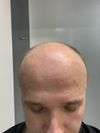
A 20-year-old is experiencing hair thinning and seeks advice on starting treatment and regrowing hair. They are considering using Minoxidil, finasteride, or RU58841.
Pelage is developing a topical hair follicle stem cell therapy, PP405, for non-scarring alopecias like androgenetic alopecia, with Phase III trials planned and a potential market launch by 2027. The treatment may not require continuous use after initial regrowth.
Regret over not starting hair loss treatments like finasteride and minoxidil earlier, leading to significant hair loss. Users discuss coping strategies, including buzzing hair, staying on medications, and considering future treatments.
Finasteride is effective for hair loss but can cause sexual dysfunction and mental health issues in some users, leading to a polarized debate on its risks. Some switch to alternatives like Dutasteride or topical treatments to avoid side effects.
Finasteride and dutasteride can prevent hair loss if used early, but they may cause side effects. Many men shave their heads because they are unaware of these treatments or avoid them due to side effects or cost.
Diffuse thinners often experience more hair regrowth with DHT blockers like finasteride, possibly due to less DHT sensitivity and the presence of miniaturized, not completely bald, follicles. However, regrowth varies widely among individuals, influenced by factors like genetics, the stage of hair loss, and treatment methods such as minoxidil, microneedling, and dermarolling.
The person experienced worsening hair loss despite using minoxidil, finasteride, and dutasteride. They are considering increasing dutasteride dosage, trying microneedling, RU58841, and oral minoxidil, and are advised to consult a trichologist.
The user is using a hair loss treatment involving dutasteride, minoxidil, finasteride, microneedling, and supplements like multivitamins, D3 K2, and Omega 3 fish oil. They are considering adding tretinoin and are open to suggestions while managing gut issues.
A user reversed severe hair loss with dieting, lifestyle changes, and topical minoxidil, highlighting reduced inflammation and body fat. The conversation debates finasteride's effectiveness and the impact of diet and lifestyle on hair health.
The user shared their 8-week hair regrowth progress using 0.5mg dutasteride, twice-daily topical minoxidil, and weekly 1.5mm microneedling. They noted visible improvement, though some users suggested reducing microneedling depth to avoid potential scalp damage.
People are excited about a new hair loss treatment, PP405, and some suggest using Twitter to increase its visibility. Current treatments mentioned include finasteride, minoxidil, and dutasteride, but skepticism remains about the effectiveness of new treatments.
PP405 shows potential for hair growth, with 31% of advanced balding men experiencing over 20% increase in hair density in 8 weeks. However, skepticism persists due to selective data presentation and lack of long-term results, with comparisons to treatments like minoxidil and finasteride.
The conversation discusses hair regrowth progress using finasteride, with suggestions to add minoxidil and microneedling for better results. The user experienced noticeable improvement and plans to consider a hair transplant.
Pyrilutamide (KX-826) is discussed as an anti-androgen treatment for hair loss, with mixed user experiences. Some users report no results, while others find it mildly effective.
The user feels insecure about hair loss and is seeking affordable solutions, as hair transplants are too expensive. They are looking for advice on treatments like Minoxidil, finasteride, or RU58841.
The user is experiencing significant hair regrowth after 5 weeks using 1mg oral finasteride, topical minoxidil twice daily, and ketoconazole shampoo every 5 days. They noticed initial shedding with minoxidil but are now feeling new hair growth.
A user humorously suggests an extreme hair loss treatment regimen involving multiple medications and therapies, including Dutasteride, Minoxidil, RU58841, and others, claiming it would prevent hair loss but with potential side effects like gynecomastia. The conversation highlights concerns about safety, side effects, and the effectiveness of such a comprehensive approach.
A user shared progress pictures showing significant hair regrowth after using a topical solution containing 5% Minoxidil, Finasteride, Redensyl, and Procapyl. The user reported no side effects and applies the solution twice daily.
The conversation discusses hair loss treatments, focusing on finasteride, minoxidil, and other options like PRP and ketoconazole. It highlights the importance of asking specific questions during a dermatology visit to determine the cause of hair loss and appropriate treatments.
The user shared their 6-month hair regrowth progress using finasteride, minoxidil, biotin, and iron supplements, along with occasional microneedling and specific shampoos. They reported minimal side effects and no retrograde alopecia, attributing their success to a combination of treatments.
The conversation humorously discusses hair loss treatments, including Minoxidil, finasteride, RU58841, and topical 17 alpha estradiol, with some users joking about transitioning to female to avoid baldness. The overall tone is satirical, emphasizing self-acceptance and the lengths people might consider for hair restoration.
A user shared a 7-month hair loss treatment progress using finasteride 1.25 mg, oral minoxidil 2.5 mg, ketoconazole shampoo, and monthly micro-needling, noting denser hair and improved quality but no significant regrowth. They experienced mild testicular discomfort and heart palpitations, considering switching to topical minoxidil to avoid side effects.
People shared experiences of hair loss after stopping minoxidil, despite also using finasteride. Some tried microneedling or hair transplants, but stopping minoxidil often led to significant hairline recession.
The conversation discusses verteporfin as a potential hair loss treatment and questions why more precise methods aren't used to test its effectiveness in regrowing hair. Some users believe verteporfin is promising and should receive more attention, while others are skeptical about the testing methods.
Genetics mainly cause hair loss, but diet, stress, smoking, and alcohol can worsen it. Treatments include finasteride, minoxidil, and lifestyle changes like a healthy diet and avoiding caffeine.
A user has been using minoxidil for hair loss and has seen positive results, but is seeking additional treatments to enhance its effects. One suggestion given is to use finasteride alongside minoxidil.
A 22-year-old experiencing hair thinning started using finasteride and feels relieved for taking action against hair loss. Others in the conversation share similar experiences, finding comfort in trying treatments like finasteride and minoxidil, even if they don't fully stop their hair loss.
Microneedling's effectiveness for hair regrowth is debated, with mixed results from studies. Some believe it helps with blood flow and scalp health, while others see it as largely ineffective.