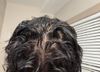
People are discussing creative ways to hide hair loss, such as using specific hairstyles and hairfibers. Some mention using medications like Minoxidil and finasteride to improve hair growth.
To increase hair density appearance, options include using hairfibers, volume powders, scalp micropigmentation, and a combination of sea salt and holding sprays. Tape-in extensions and clip-in fringes are also considered, but cost and maintenance are concerns.
Mohamed Salah's hair transformation, possibly involving a hair transplant, has improved his appearance. There is discussion about using finasteride and hairfibers for hair maintenance.
A woman experiencing hair loss, exacerbated by wearing a hijab, is seeking advice for her upcoming wedding. She has tried various treatments, including minoxidil, finasteride, and stem cell therapy, and is considering using hairfibers and extensions to cover her scalp.
A user's successful hair transplant, with some people questioning the donor area regrowth, and others speculating that hairfibre may have been used to help fill in areas.
The user is experiencing asymmetrical hair loss at the frontal hairline and is concerned about potential conditions like frontal fibrosing alopecia. They have started using finasteride and pumpkin seed oil to address the issue.
Hypoxia may enhance hair growth by stimulating stem cells, but it could also risk fibrosis. Some users humorously discuss extreme methods like choking while using minoxidil, highlighting the need for new treatments.
User discusses group buy for finerenone, a third-gen mineralocorticoid antagonist for hair loss treatment. Finerenone inhibits TGFb, NOX, and ROS, and improves renal and cardiac function; topical dose should be no more than 10mg per day.
The user experienced significant hair regrowth using a topical solution of minoxidil 5% and finasteride 0.1% over 100 days, with plans to continue for a year before switching to a maintenance dose. Despite skepticism from others about using hairfibers, the user insists on the authenticity of their progress and reports no side effects from the treatment.
User asks for advice on using hair thickening products and their order of application. Experienced styler suggests using thickening tonic with a blow dryer, followed by styling powder and clay, then hairfibers, and finishing with hairspray.
Finasteride is used for hair stabilization, while minoxidil is avoided due to side effects. Styling tips include using hairfibers, washing hair less frequently, and managing anxiety related to appearance.
The user is trying to regrow hair on a bald spot using a routine that includes Minoxidil, Mielle Organics products, and Toppik Hair Building Fibers. Other users suggest adding Finasteride or Dutasteride to block DHT for better results.
User had a 5000-hair FUT procedure in South Korea in 2014 and is satisfied with results. Uses Minoxidil, dermarolling, and Toppik hairfibers for crown area, and considering Finasteride.
PP405 is ineffective for miniaturized, fibrosed hair follicles in androgenetic alopecia. AMP303 may activate hair follicle stem cells, but minoxidil and finasteride are still the main treatments.
A 24-year-old male is considering a hair transplant after unsuccessful attempts with oral minoxidil, topical finasteride, ketoconazole shampoo, and lifestyle changes. He believes smoking and caffeine may worsen his hair loss and is looking into hairfibers for temporary coverage.
The conversation highlights the general public's lack of knowledge about hair loss, with various ineffective remedies suggested, such as not wearing hats or using hairfibers. The only effective treatments mentioned for male pattern baldness are medications like minoxidil and finasteride, and hair transplants.
A 20-year-old male has been experiencing hair loss since age 16 and has tried various treatments including topical minoxidil, topical and oral finasteride, and oral dutasteride with minoxidil, but has not seen significant improvement. He is currently using 1.5mg dutasteride and 5mg oral minoxidil daily, along with derma penning, and is seeking advice on regrowing hair to avoid using hairfibers.
The user is considering continuing minoxidil and microneedling, possibly adding low-dose topical finasteride, and undergoing a large FUE hair transplant to improve hair appearance. They plan to use hairfibers for added density, aiming for a convincing cosmetic look rather than full density.
The conversation is about starting a hair loss treatment routine before a wedding in 5.5 months. The suggested treatments include topical Minoxidil, a red light cap, microneedling, and possibly supplements, but opinions vary on whether it's too late to start, with some recommending using hairfibers for the wedding.
The conversation is about a person struggling with inconsistent hair styling due to thinning hair, despite being on hair loss medications. They find that ketoconazole 2% shampoo helps, but conditioning makes their hair look worse; others suggest staying consistent with treatment and using hairfibers for events.
How easy it is to fake hair growth, and the skepticism of progress pictures on the subreddit. Some treatments mentioned include finasteride, minoxidil, microneedling, Toppik/HairFibers, Dermmatch and a hair transplant.
The conversation discusses hair loss treatments, focusing on insulin resistance, microneedling with topical melatonin, and stress reduction. Users express skepticism about the advice, preferring proven treatments like minoxidil and finasteride, while some mention alternative methods like dermal incisions and verteporfin for reducing fibrosis.
Ultrasound imaging can non-invasively detect active and inactive hair follicles, inflammation, and fibrosis, potentially reducing unnecessary biopsies. It may help assess hair growth potential and diagnose scalp issues, but some users believe in trying treatments regardless of ultrasound results.
The user's hair regrowth plan includes topical treatments (RU58841, azelaic acid, ketoconazole), oral supplements (Gia Herbs, castor oil), microneedling, PTD-DBM peptide with valproic acid, red light therapy, inversion table with scalp massage, and platelet-rich fibrin injections. Commenters suggest that finasteride and minoxidil are essential treatments for male pattern hair loss, which are missing from the plan.
DHT is not the only cause of male pattern hair loss; genetic sensitivity, inflammation, and fibrosis also contribute. GHK-Cu, a copper peptide, is being explored as an alternative treatment to finasteride and minoxidil, showing potential in improving follicle health.
Topical tretinoin applied to the face may exacerbate hair loss in some individuals, potentially triggering conditions like frontal fibrosing alopecia. Experiences vary, with some users reporting no impact on hair, while others experience significant hair loss.
The conversation discusses changes in scalp texture and appearance in areas of hair loss, with concerns about the suitability of these areas for hair transplants. Users mention issues like fibrosis, inflammation, and thinner skin, advising caution and consultation with clinics before proceeding with transplants.
The conversation discusses the effectiveness of finasteride and microneedling for treating hair loss. The linked article is seen as an advertisement for these treatments.
User noticed balding 3 years ago and started using finasteride 11 months ago. Recently tried Toppik hairfibers, which improved appearance and boosted confidence.