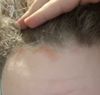
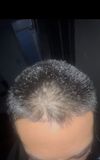
The conversation discusses ongoing hair loss while using finasteride (Fin) and concerns about potential interactions with Hydrocortisone Butyrate. The consensus is that shedding is normal and it can take 1-1.5 years to see results from finasteride.
A user in Slovakia struggles to get finasteride for hair loss and considers using the UK-based Hair Repair Clinic, which others have used successfully for finasteride and dutasteride. The clinic offers quick service and ships medications directly, but it's unclear if they deliver to Slovakia.
Finasteride may cause initial shedding, but it's part of the process for stronger hair growth. Users suggest starting treatment and trusting the process, as it can improve hair density over time.
The user experienced improved hair density using dutasteride and oral minoxidil compared to finasteride and minoxidil, with no significant side effects. The user took 2.5 mg of minoxidil and 0.5 mg of dutasteride daily.
Finasteride improved hair density and changed hair texture from wavy to curly for the user. The user took 1mg of oral finasteride daily without using minoxidil.
The user is 6 months post-hair transplant and uses finasteride, oral and topical minoxidil, along with supplements like omega-3, vitamin D3, and zinc. They are experiencing significant shedding and seek advice on whether the medications are effective and if the shedding will settle.
The user experienced hair thinning after using finasteride, minoxidil, and vitamin chewables for three months and considered switching to oral minoxidil and dutasteride. The texture change in chewables was noted, but the thinning might be due to other factors like switching to dutasteride or effects from hormone replacement therapy.
The user experienced successful hair regrowth with Finasteride and Minoxidil but developed erectile dysfunction and abdominal pain, possibly due to medication or lifestyle changes. They plan to consult a urologist and consider adjusting medication or trying supplements like zinc, DIM, or boron.
The user started finasteride a month ago and experienced significant hair shedding, which is considered a sign that the treatment is working. Many users suggest combining finasteride with minoxidil and possibly shaving the head to manage the shedding phase.
The user experienced significant hair regrowth after 9 months of using finasteride, with minimal use of minoxidil. They reported no side effects and emphasized patience and consistency in their treatment routine.
The conversation is about hair shedding experienced while using finasteride (fin) for hair loss treatment. Users discuss their experiences with finasteride, minoxidil (min), and other treatments, noting that shedding is often a sign that the treatment is working.
The user has been taking 1mg finasteride daily for over 2 months and 2.5mg minoxidil daily for over a month, along with a multivitamin. They are asking if their hair shows improvement, noting possible slight length increase in the back.
The user has been on finasteride for 5 months and noticed their hair becoming wispy/frizzy, suspecting minoxidil might have also contributed to the change. They are distressed by the change in their hair's appearance.
User experienced significant body hair loss from Finasteride and started oral Minoxidil to address crown thinning. Their current regimen includes 1mg Finasteride, 2.5mg Minoxidil, Biotin, Vitamin D, Zinc, Iron, and ketoconazole shampoo.
A user discusses fighting hair loss without finasteride, using minoxidil, ketoconazole shampoo, saw palmetto, pumpkin seed oil, pygeum, stinging nettles, biotin, a boar bristle brush, and a derma roller. Replies suggest finasteride is necessary for effective hair loss prevention.
The conversation is about using natural hair masks like red hot pepper, aloe vera, onion juice, mint oil, and valerian root alongside finasteride for hair loss. The user is asking if anyone has tried these and seen positive effects.
Finasteride users discuss the impact of creatine on hair loss, with mixed personal experiences and no definitive evidence linking creatine to increased hair loss. Some report shedding, while others see no change, and a new study suggests creatine does not increase DHT or cause hair loss.
A 20-year-old is experiencing hair loss and is using finasteride, ketoconazole, and topical minoxidil. They suspect retrograde alopecia due to hair loss on the sides and nape, despite noticing some hair thickening on top.
Hair texture changes, such as hair becoming curly, are common when using treatments like finasteride and minoxidil. Users report various experiences with these treatments, including changes in hair density and texture, with some using additional products like alfatrodial, fluridil, and pyrilutamide for hair maintenance.
The user is experiencing hair thinning despite using finasteride and minoxidil with added tretinoin, and is considering switching to dutasteride. Suggestions include trying dutasteride, oral minoxidil, microneedling, and possibly a hair transplant for better results.
The user experienced hair loss and used a topical minoxidil and finasteride solution, which initially halted hair fall and increased thickness. After switching to oral finasteride, they experienced significant shedding without regrowth, leaving them worse off than before.
A 26-year-old male is using oral minoxidil and finasteride to treat hair loss, experiencing prolonged shedding despite 6 months of treatment. Others share similar experiences, suggesting persistence with the treatment may eventually lead to improvement.
The user experienced significant hair regrowth using oral finasteride (1 mg) for 2 years and 7 months and topical minoxidil (5%) for about 13 years, with no side effects reported. The user noted many shedding phases but observed stronger hair regrowth each time, leading to increased confidence and positive feedback from others.
The user plans to start 1 mg finasteride immediately and oral minoxidil two months later after a hair transplant, considering potential side effects and exposure risks. They seek advice on timing due to concerns about shedding before their wedding.
Finasteride did not improve hair loss and seemed to accelerate it, particularly on the forehead. The user is considering stopping the medication due to these negative effects.
The user shared their hair loss journey, using finasteride, dutasteride, and minoxidil, noting progress and some side effects like minor gynecomastia. They plan to switch fully to dutasteride while continuing minoxidil, and they experienced shedding primarily from finasteride.
Switching from dutasteride to finasteride can cause temporary hair shedding, and it may take several months for hair growth to stabilize. Consistent use of treatments is important for regrowth.