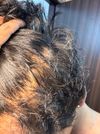
Using PP405 and Clascoterone after a hair transplant may not cause issues if the transplant didn't achieve native density, but could lead to competition for blood supply if it did. Some users suggest waiting for these drugs to be available, as they might not significantly impact blood supply or regrowth.
PP405 is anticipated as a future treatment for dormant hair follicles, but its effectiveness and safety are uncertain. Current treatments include oral minoxidil and microneedling, with some avoiding finasteride due to side effects.
Hair loss is linked to DHT, with treatments like finasteride and minoxidil being common but not definitive. Economic interests influence research, and there is potential for new treatments like PP405 and RU58841.
Minoxidil is causing hair growth in unexpected areas like the forehead, eyebrows, and body, rather than the scalp. Users discuss the effects of both topical and oral minoxidil, with some also using finasteride and experiencing varied results.
Hair fibers can effectively cover thinning hair when used with minoxidil and hairspray but require daily application and can be inconvenient in certain conditions. Some users prefer treatments like finasteride, dutasteride, microneedling, or wigs due to the maintenance and limitations of hair fibers.
Hair loss is influenced by genetics and sensitivity to hormones like DHT. Treatments like Minoxidil and finasteride are commonly used, and baldness persists as it doesn't affect reproductive success.
Onion juice may temporarily improve hair health by boosting blood circulation and providing antibacterial benefits, but it is ineffective against genetic or hormonal hair loss. Proven treatments like minoxidil and finasteride are recommended for more reliable results.
Ozzy had great hair despite a rough lifestyle, likely due to genetics. Discussions included the effects of drugs on hair, with some users mentioning treatments like Minoxidil and finasteride.
Minoxidil and LLLT are compared for treating hair loss, with LLLT showing higher regrowth rates and fewer side effects. LLLT is less time-consuming and more suitable for those with health issues, while Minoxidil requires daily application.
OP shared a 7-year hair density progress update using Minoxidil, Finasteride, and dermarolling. Creatine use was discussed, with mixed opinions on its impact on hair loss.
Grapefruit juice doesn't significantly affect finasteride or dutasteride. Drinking topical minoxidil is risky; saw palmetto is less effective than finasteride or dutasteride for hair loss.
The conversation is about various hair loss treatments, including finasteride, minoxidil, RU58841, and natural supplements like saw palmetto and pumpkin seed oil. It also covers methods to improve blood circulation, nourish hair follicles, and address underlying health issues like vitamin D deficiency and high cortisol levels.
The conversation is about a user starting a hair loss treatment with Dutasteride, Minoxidil, and RU58841, hoping to prevent baldness. Other users comment on the user's current hair condition and the intensity of the chosen treatment.
A user noticed increased hair loss and was prescribed Betamethasone dipropionate 0.05% lotion by a dermatologist. Another user suggested changing doctors and asking for finasteride instead.
Hair loss, DHT and bloodflow with Andrew Huberman; the discussion includes opinions about supplements, finasteride, minoxidil, turmeric, coffee and botox injections for hair loss.
Rating treatments for hair loss, with the help of GPT-4, according to efficacy, evidence and tolerability; a combination of chemicals from research papers, custom compounds, and some suggestions from other users were included.
A user who has been shaving his head for 15 years looking for potential treatments to regrow hair; the replies range from advice to try out medications such as finasteride and minoxidil, to suggestions of changing up his look with facial hair or hobbies.
Coffee may negatively impact hair health due to its vasoconstrictor effects, potential to increase DHT, and interference with nutrient absorption. There is no strong clinical evidence linking caffeine to hair loss or regrowth in humans, but moderation is advised.
User got a hair system after hair transplant and finasteride didn't meet their needs. Hair system cost $200, initial install $150, and user is satisfied with the results.
Hair loss treatments discussed include Minoxidil, Finasteride, RU58841, ass hair transplant, topical Viagra, castration, and transitioning to female. A user mentions an experimental drug called M4U-5 (Mousteride) that turns you into a mouse.
User shares one-year hair transplant results with 3633 FUE grafts. Responses discuss improved appearance, hairline looking pluggy, and doctor's location in Ottawa, Canada.
The user experienced hair regrowth and stronger dreadlocks after six months on finasteride, despite initial shedding and reduced libido. They plan to continue the treatment, possibly adjusting the dosage or adding topical treatments.
Hair regrowth treatment involving 3aHSD enzyme shows 6% improvement in 18 weeks. Sulforaphane, L-Menthol, and Dexpanthenol are potential ingredients for new hair loss solution.
A 25-year-old woman is experiencing hair loss and has started microneedling with a 0.5mm roller, applying a mix of essential oils overnight. She questions whether to switch to a 1.5mm roller and the best order for her routine, while a reply suggests using Minoxidil for better results.
Feeding bacteria-free mice with Lactobacillus murinus worsened hair loss, but a regular diet with biotin stopped it. The conversation suggests gut bacteria and diet may influence hair loss, with some skepticism and discussion about other factors like DHT and genetics.
Hair loss impacts mental health, with treatments like Minoxidil, finasteride, and stem cell transplants discussed. There is hope for future breakthroughs, but current treatments are limited, and awareness is lacking.