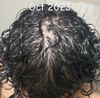
User shared 126-day progress using Fin/Min/Niz/Microneedling for hair loss. Others discussed microneedling depth, results timeline, frontal coverage, and switching to Dutasteride.
User shares progress update on hair loss treatment using finasteride, minoxidil, and microneedling. Others congratulate and ask questions about treatment details, such as microneedling tool, needle size, and side effects.
A user's experience with hair loss treatments such as minoxidil and finasteride, which has resulted in positive results. Others have also shared their experiences with similar treatments with encouraging results.
A user shared their 3-month hair loss treatment progress using 5% topical Minoxidil, Finasteride tablets, dermastamping, and ketoconazole shampoo. They reported significant improvement, advised consistency, and addressed questions about side effects and application methods.
The user experienced improved hair thickness and density after using 5% minoxidil spray twice daily and 1mg finasteride tablet once daily, starting at age 33. They reported initial shedding with minoxidil but no other side effects.
A 24-year-old experienced improved hair growth using 5% minoxidil, 1 mg finasteride, and dermastamping, but faced side effects like low libido and mild erectile dysfunction. They plan to reduce finasteride dosage after full results and may consider a hair transplant if thinning recurs.
The user experienced hair thickening and reduced shedding using minoxidil, finasteride, and dutasteride, with a switch from finasteride to dutasteride due to ineffectiveness. They also use a saw palmetto shampoo and take vitamin D3 supplements, while considering potential underlying causes like vitamin deficiencies and hard water buildup.
A 24-year-old experienced significant hair regrowth using 1mg finasteride and 2.5mg oral minoxidil daily for four months, with minimal side effects. The results impressed many, and the user confirmed the treatments were prescribed by a doctor.
The user is struggling with hair loss despite using topical minoxidil, finasteride, and oral dutasteride, and is seeking affordable alternatives to 2.5mg dutasteride. Suggestions include checking for scalp inflammation, considering oral minoxidil, using rosemary oil, and possibly trying saw palmetto, though results may vary.
A 20-year-old is experiencing hair thinning despite using minoxidil inconsistently for 1.5 years and is considering adding finasteride due to concerns about side effects. They are unsure whether to increase minoxidil application, start finasteride, or if the hair loss is exaggerated in their perception.
A user reported impressive hair regrowth after 5 months using finasteride 1mg daily, topical minoxidil 5% twice a day, and microneedling. They initially experienced shedding but now have minimal hair loss and no sexual side effects.
The user experienced significant hair regrowth using dutasteride 0.5 mg daily, 5% topical minoxidil twice a day, and microneedling over several months. They also used ketoconazole shampoo and rosemary oil, reporting some side effects but overall positive results.
The user experienced significant hair regrowth after using oral and topical minoxidil and finasteride for over three months. They reported minimal side effects, such as facial hair growth and minor bloating, and are optimistic about continued progress.
The user experienced increased hair density and thickness after 3-4 months using finasteride, minoxidil, dermastamping, ketoconazole, and biotin. They apply minoxidil right after dermastamping without any side effects or shedding.
A user shared progress pictures after 10 months on finasteride and 7 months using minoxidil, noting some hair shedding. Their routine includes oral finasteride, topical minoxidil, red light therapy, rosemary mint shampoo, and dermarolling.
The conversation is about a user's experience with finasteride not improving their hair loss and considering dutasteride as a last resort. Some users believe the user's hair appears stabilized, while others suggest surgery or patience, and one mentions heart issues as a reason for not using minoxidil.
A person with hair loss due to seborrheic dermatitis saw improvement after treating the condition and using 5mg oral minoxidil, topical minoxidil, collagen, biotin, and vitamins. They are asking if the progress is real, and others have noted the oral minoxidil as a significant treatment.
A user has seen hopeful hair regrowth after 3 months on 1mg finasteride and 0.5mm dermarolling, in addition to using minoxidil 5% for over a year. They noticed improvement in their hairline and a bald spot.
User fought hair loss with Derminator microneedling, topical and oral minoxidil, and a 2000 FUE hair transplant. Derminator was a game changer, preventing further loss.
User noticed hair thinning at 26 and used minoxidil for 2 years with slight improvement. Stopping minoxidil led to dramatic hair loss, and others shared similar experiences, suggesting minoxidil and finasteride should be used consistently for best results.
User experienced hair regrowth with minoxidil and dermarolling for 3 months. Routine includes applying 1ml minoxidil nightly and dermarolling with 0.5mm needles twice a week.
Start hair loss treatment as soon as you notice thinning to prevent further loss; finasteride and minoxidil are suggested treatments, with the option to switch to topical treatments if side effects occur. Some regret not starting treatment earlier, and maintaining current hair is more likely than regrowth.
User experienced significant hair regrowth after 4 months using Dutasteride, Minoxidil, castor oil, rosemary spray, Ketoconazole, and microneedling. Others praised the impressive results and attributed them mainly to Dutasteride.
The user experienced good hair regrowth using natural methods and mechanical stimulation but decided to add finasteride to their regimen for better results. They are optimistic about further regrowth and plan to update on the effects of finasteride, noting no significant side effects so far.
Genetics mainly cause hair loss, but diet, stress, smoking, and alcohol can worsen it. Treatments include finasteride, minoxidil, and lifestyle changes like a healthy diet and avoiding caffeine.
The efficacy of degrading the androgen receptor through dermal application in DP cells, a delivery system for topical drugs that involves dissolving microneedles, and rosemary oil as an alternative anti-androgen.
Microneedling can promote hair growth, but there is uncertainty about the best practices, including needle length, device, and session frequency. Users discuss using needle lengths between 0.5mm and 1.5mm, with some experiencing pinpoint bleeding, and emphasize the need for more reliable resources and guidelines.
Discussion on hair loss treatments, focusing on pp405, with skepticism about its effectiveness and concerns about its association with the cosmetic industry. Users also mention treatments like Minoxidil and Finasteride.
A user shared their experience with hair loss treatments, switching from 1mg finasteride and topical minoxidil to 5mg oral minoxidil and oral dutasteride, noting improvements despite shedding phases. Other users discussed the hair growth cycle, treatment effects, and shared advice on managing hair loss, including buzzing hair and maintaining mental health.
A user experienced significant hair regrowth using finasteride 1 mg daily for two years and gradually introduced dutasteride 0.5 mg daily over four months. They reported no side effects and plan to switch fully to dutasteride due to its cost-effectiveness and potential effectiveness.