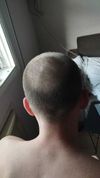
Dutasteride isn't effectively reducing DHT levels, prompting a switch back to finasteride. The user questions the reliability of their DHT test results due to hair loss concerns.
Pelage PP405 is a new hair loss treatment in trials, potentially reactivating dormant hairfollicles without affecting hormones. Results are expected in February 2025, offering an alternative to minoxidil and finasteride.
The user experienced continuous hair shedding for 16 months while on finasteride, with periods of improvement. They also used T Gel shampoo and noticed a reduction in hair loss symptoms after 18 months, including the return of their sex drive and normal hair texture.
The conversation discusses the use of topical finasteride for hair loss, with the user considering whether oral finasteride might be more effective in reducing DHT levels. Other users suggest alternatives like dutasteride, RU58841, saw palmetto, and a combination of Redensyl, Procapil, and Capixyl, while debating the effectiveness and side effects of these treatments.
Male pattern baldness (MPB) may be influenced by androgen receptors in scalp hairfollicles and potentially poor blood flow. Transplanted hair is not immune to DHT, and factors like inflammation and scalp tension might also contribute to hair loss.
A user is testing clascoterone (Winlevi) on their scalp for hair loss and has noticed a reduction in scalp sebum after one month. They are also using other unspecified treatments and plan to provide an update after the second month.
Scalp tension potentially affecting hair loss, and potential treatments for male pattern baldness such as Minoxidil, Finasteride and RU58841. Evidence from a study was discussed which suggests that the cause of MPB lies within the follicle itself and is not dependent on its surrounding environment.
The conversation discusses hair loss treatments, focusing on the use of topical minoxidil, microneedling, finasteride, and dutasteride, while debating the role of testosterone and DHT in hair loss. It also touches on the potential liver health impacts of these treatments and the genetic sensitivity of hairfollicles to androgens.
A user experienced no reduction in DHT levels after 8 months of finasteride, despite initial improvement in hair loss. They are considering switching to dutasteride but are concerned about potential side effects.
A 22-year-old experienced significant hair loss due to high stress, SSRI side effects, and Androgenic Alopecia, and has seen some regrowth after starting finasteride and using ketoconazole shampoo. They are inquiring if continued use of finasteride and stress reduction alone can lead to further hair regrowth.
Microneedling may not significantly enhance hair growth when combined with dutasteride and oral minoxidil, as its primary benefit is improving topical absorption. Some users suggest using a 1.5mm depth for potential follicle stimulation, but results and effectiveness vary.
Bee venom at 0.001% concentration was more effective than 2% minoxidil in promoting hair growth in mice, possibly due to increased growth factors and reduced inflammation. Caution is advised due to potential allergic reactions and the reliance on animal data.
IGFBP‐rP1 shows potential for treating androgenic alopecia by influencing hair cycle transitions. Increasing IGF-1 levels may have similar effects to Minoxidil and 5-AR inhibitors in reducinghair loss.
Minoxidil helps hair growth on both scalp and face, but stopping it leads to hair loss on the scalp, not the face. The user questions why scalp hair can't be maintained with finasteride or androgen blockers after stopping minoxidil, despite these treatments reducing DHT damage.
The conversation is about using Tretinoin with Minoxidil for hair loss treatment, discussing the effectiveness and personal experiences with different concentrations. The image linked in the post received negative reactions for being unpleasant.
The user experienced hair regrowth with dutasteride but later lost progress despite using minoxidil foam and dermastamping. Suggestions included reducing dermastamping frequency, conducting blood tests, and considering oral minoxidil or different brands of dutasteride.
A person had three hair transplant surgeries using 7,600 grafts from scalp, beard, and chest, along with finasteride and minoxidil. Reactions are mixed, with suggestions for alternatives like hair systems or scalp micropigmentation.
The individual is considering starting hair loss treatment with dutasteride, prescribed by a dermatologist, due to concerns about finasteride side effects. They are also interested in the potential benefits of reducing DHT and are contemplating whether to maintain a shaved head or pursue treatment.
A person with a full head of hair chose to laser it off, sparking disbelief and discussions about hair loss treatments like Minoxidil and Finasteride. Many users questioned the decision, suggesting it might be a troll post or an extreme reaction to balding concerns.
A user shared their 16-month hair regrowth progress using oral and topical minoxidil, dutasteride, derma rolling, and occasional keto shampoo. The conversation includes positive reactions and jokes about their impressive results.
The user experienced significant hair regrowth using finasteride, minoxidil, and microneedling, but saw a decline after reducing treatments and stopping gym workouts. They plan to restart microneedling and consider a hair transplant in the future.
Managing blood pressure can help with hair loss, as seen with the use of medications like Cialis and oral minoxidil, which improved hairline and blood pressure. Lifestyle changes, such as reducing stimulant use and adjusting testosterone replacement therapy (TRT) doses, also play a role in addressing hair loss and overall health.
Oral dutasteride is the most effective for hair regrowth, followed by oral finasteride and minoxidil. Topical finasteride combined with minoxidil is recommended for those avoiding systemic DHT reduction.
Ketoconazole is mainly used for improving scalp health and reducing dandruff, but it is not effective for new hair growth. Some users find it complements treatments like minoxidil and finasteride, but results vary.
Vitamin C mixed with shampoo stopped shedding and promoted hair regrowth after 1.5 years. Both the person and their wife experienced significant hair loss reduction with this method.
The conversation discusses the effectiveness of various doses of Dutasteride in reducing scalp DHT and its impact on hair count. Users shared personal experiences with hair loss treatments, including Dutasteride, Finasteride, and Minoxidil, with one reporting significant hair loss reduction using a combination of oral Dutasteride and topical Minoxidil and Finasteride.
KX-826 is being discussed for hair loss treatment, with users debating between 0.5% and 0.9% solutions and foam. Some report side effects like headaches, while others see no changes; it blocks androgen receptors without reducing DHT levels.
Key treatments for hair preservation include minoxidil, finasteride/dutasteride, and microneedling, with additional options like specific shampoos, oils, biotin, zinc, tretinoin, clascoterone, and low-level laser therapy. Maintaining a healthy lifestyle, reducing stress, and addressing nutrient deficiencies can also support hair health.
PP405 is the most promising future treatment for hair loss, aiming to reactivate dormant hairfollicles. Clascoterone 5% is the most promising near-term drug, while current strategies include using finasteride or dutasteride to stabilize hair loss and minoxidil to stimulate growth.
The "DHT itch" is real and likely due to inflammation at the hairfollicle, exacerbated by increased testosterone or androgens. Treatments mentioned include dutasteride, minoxidil, finasteride, and various topical solutions.