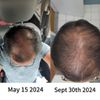
A user shared their hair progress after three steroid cycles, using 5% minoxidil and 100mg RU58841 daily. They are considering a hair transplant due to paranoia about shedding.
A 27-year-old shares his 7-year journey using finasteride and 4 years with minoxidil to combat hair loss, experiencing cycles of shedding and regrowth. Despite emotional challenges, he finds the treatments worthwhile, though he still faces insecurities and uncertainties about shedding phases.
A user suspects vaping has contributed to their hair loss and plans to quit while using Minoxidil and finasteride. They are unsure if hair regrowth will be due to quitting vaping or the medications.
A 27-year-old man saw significant hair regrowth after starting a regimen in January that included topical minoxidil with finasteride, vitamins D and B12, fish oil, zinc with magnesium, quitting smoking, and intermittent fasting. People commented on the effectiveness of minoxidil in Southern populations and asked about the details and timeline of his treatment.
The conversation discusses the slow transition from baby hair to normal hair while using finasteride and transitioning to dutasteride, with progress except for the crown area. It's mentioned that hair thickening can take years, with each growth cycle potentially making the hair thicker, and this process can span over 6 months or more.
A 22-year-old male is experiencing hair loss due to seborrheic dermatitis, not male pattern baldness, and is seeking advice. Suggestions include using Nizoral, sulfate-free and ketoconazole shampoos, cutting hair short, using cold water, avoiding picking scabs, and trying selenium sulfide shampoo or finasteride.
A user shared a 9-month hair recovery journey from androgenic alopecia using 1 mg finasteride daily, 5% minoxidil twice daily, and weekly dermarolling with a 1.5 mm roller. Some responders were skeptical about the authenticity of the results, while others confirmed the consistency of the user's appearance and supported the effectiveness of the treatment.
People shared that Biotin supplements did not improve their hair loss and some experienced stronger nails or more pimples. They suggested trying finasteride or minoxidil instead for hair loss treatment.
A 20-year-old male has been experiencing hair loss for three years due to a vitamin D deficiency and has seen no improvement after 3.5 months of taking supplements. Another person suggested that if the hair loss follows a pattern, it might be regular baldness rather than due to the deficiency.
A 37-year-old with a receding hairline started using finasteride and plans to add minoxidil, concerned that creatine and whey protein might accelerate hair loss. Another user suggests these supplements likely don't increase testosterone or cause hair loss, advising to monitor personal experience.
A user's hair regrowth journey using biotin and minoxidil after initial treatments with Nizoral shampoo and Ketoconazole serum didn't work. The comments suggest the hair loss might not be male pattern baldness (MPB), but possibly Alopecia Areata, an autoimmune disorder, and recommend getting a second opinion and considering other treatments like corticosteroids.
The conversation is about a user trying hair fibers to cover hair loss while waiting for Rogaine (Minoxidil) to work. Some suggest using Finasteride or other treatments for better results, while others criticize the appearance of the fibers.
The conclusion of the conversation is that the user should consider using treatments such as finasteride, minoxidil, and RU58841 to potentially reverse their hair loss. Other suggestions include using hair loss concealers and maintaining a healthy diet.
The user improved their hair density and reduced scalp visibility by using 1% ketoconazole shampoo, 1mg finasteride, and 5% minoxidil, which increased their confidence. Replies discuss the effects of these treatments, with one clarifying that minoxidil does not affect hormones but finasteride does.
The user "Bishiop" shared a comparison of their hair progress over 9 months using oral finasteride, topical minoxidil, and microneedling. Other users commented on the results and shared their experiences with hair loss treatments.
User uses Costco brand Minoxidil as a hair product for styling and hold. Others agree that foam version is better for styling and less greasy than liquid.
User's hair loss treatment progress includes 1 mg finasteride, 2.5 mg minoxidil tablets twice daily, microneedling 3 times a week, and Fungoral shampoo twice weekly. Good progress and minimal side effects reported.
Applying Epidermal Growth Factor (EGF) topically may improve skin and potentially promote scalp health and hair growth, especially after microneedling. The user shares their positive experience with EGF and provides a product link.
A human trial of verteporfin, a potential treatment for hair loss, with some users noting potential improvements in scarring and overall healing compared to control areas.
Severe scalp itching and hair loss, possibly linked to seborrheic dermatitis, are discussed, with treatments like Dutasteride, Finasteride, and various shampoos mentioned. Some users find relief from itching with DHT blockers like Finasteride, while others suggest consulting multiple dermatologists for accurate diagnosis.
The user is experiencing ongoing hair loss despite using a comprehensive treatment regimen including dutasteride, oral minoxidil, cyproterone acetate, transdermal estradiol, and topical bicalutamide. They suspect cyproterone acetate may be worsening their hair loss and are considering switching to injection monotherapy.
At this point.
In this conversation, users discussed the risks of drinking topical minoxidil and suggested alternative treatments such as obtaining a prescription for oral minoxidil or finasteride.
How oral minoxidil and topical sildenafil (similar to Viagra) are used for hair growth by increasing blood flow to the scalp, and potential side effects of combining these treatments with other drugs.
Coffee may negatively impact hair health due to its vasoconstrictor effects, potential to increase DHT, and interference with nutrient absorption. There is no strong clinical evidence linking caffeine to hair loss or regrowth in humans, but moderation is advised.
User obsessed with hair loss prevention shares collection of treatments, including oral and topical finasteride, minoxidil, dermapen, and more. Others suggest adding RU58841, laser helmet, and PRP, while some advise dropping certain treatments for long-term manageability.
A user shared their successful hair loss regimen, which includes New Nordic Hair Gro vitamins, Shea Moisture Jamaican Black Castor Oil Leave-In Conditioner, and NAC supplements. They reported reduced hair shedding, thicker hair, and improved hair texture.
Zinc supplements can make existing hair thicker and fuller but do not cure or slow hair loss. Long-term zinc use requires copper supplementation to avoid deficiencies.
A user found that antihistamines stop their hair loss and related symptoms, but they experience side effects like sedation and chest pain. They are seeking alternative solutions or topical antihistamines to avoid systemic side effects.
The user stopped using finasteride and tried turmeric, ginger, and perilla extract to reduce hair shedding, noticing a significant decrease in hair loss. They experienced side effects like rashes and easy bleeding from perilla extract and softer feet, possibly from turmeric.