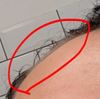
A user is unsure if "Hair Energiser" tablets are effective for hairgrowth after a year of use. Replies suggest using finasteride instead and call the tablets a scam.
The conversation is about a user's experience with finasteride not improving their hair loss and considering dutasteride as a last resort. Some users believe the user's hair appears stabilized, while others suggest surgery or patience, and one mentions heart issues as a reason for not using minoxidil.
Treating hair loss with various remedies, such as Cetirizine and the Big3 complex (minoxidil, finasteride, and RU58841), which have properties like adipogenic, anti-fibrotic and anti-inflammatory. References to research studies are also included.
Hair loss treatment should target dermal white adipose tissue (DWAT) to restore hair follicles. Potential remedies include tocopherol (vitamin E), botox, rosiglitazone, niacin, kojyl cinnamate esters, and ADP355.
A user's progress with treating their hair loss, which consists of using Dutasteride, RU58841, Stemoxydine and Tretinoin 0.05% over the past three months.
Various hairgrowth treatments were discussed, including microneedling, bimatoprost, setipiprant, stemoxydine, PGE2, CB-03-01, WNT Beta-Catenin upregulators, KY19382, topical estrogen, IGF-1, GH, MK-677, oral castor oil, fisetin, resveratrol, cetrizine, and lactic acid. Users shared experiences and sources for these treatments, with some expressing interest in topical solutions and others noting the lack of FDA approval or scientific evidence for certain options.
Microneedling is preferred over laser therapy for hair loss because it is cheaper and reportedly effective, especially with minoxidil. Laser therapy is seen as costly and less effective.
A user shared their 16-year hair loss journey using finasteride and minoxidil, noting slow hair thinning despite a family history of severe balding. They switched from topical to oral minoxidil but stopped for personal reasons, experiencing no significant side effects from finasteride.
The user experienced noticeable hair regrowth and darker beard after one month of using 1mg finasteride and 2.5mg minoxidil daily, with no side effects reported. They also started derma rolling two weeks ago and plan to continue the treatment for further results.
A user discussing their hair transplant progress at 8 months, expressing concern about lack of growth in the front. They're currently using Minoxidil and dutasteride, and considering microneedling. The responses suggest waiting for full growth, which can take up to 13-14 months.
The user, Salt_Ad6339, shares their positive experience with hair regrowth after using minoxidil and finasteride for a year, along with microneedling. However, they also mention experiencing chest/nipple pain and suspect it may be a side effect of finasteride. They decide to stop using it for now and see if minoxidil alone can maintain their hair. Other users in the conversation discuss the potential side effects of finasteride and suggest using an aromatase inhibitor to counteract them.
The user is considering adding low-level laser therapy (LLLT) to their hair loss treatment routine, which already includes minoxidil, finasteride, and microneedling. They are debating between purchasing a cheaper LLLT device or investing in a more expensive, clinically-backed option, with concerns about the effectiveness and specifications of cheaper models.
Hair loss treatments include topical and oral minoxidil, low-level laser light therapy, and peptide serums. Bryan Johnson avoids finasteride and dutasteride due to potential side effects, focusing instead on his own protocol with these treatments.
Some users report encouraging results with laser caps for hair loss, while others see no improvement. Treatments mentioned include low-level laser therapy, Minoxidil, and finasteride.
Oral minoxidil can lead to increased body hairgrowth, especially in areas where hair already exists, but results vary by individual. Some users report noticeable changes within a few months, while others see minimal impact; concerns about excessive hairgrowth are common, but many prioritize hairline improvement over body hair concerns.
Low-level laser therapy (LLLT) is debated for hair regrowth, with some users suggesting it should be combined with treatments like minoxidil and finasteride for effectiveness. Many users express skepticism about LLLT's efficacy and cost, emphasizing the need for the correct wavelength and quality devices.
The conversation is about using Bimatoprost for hairgrowth, with concerns about potential side effects like eye color change and fat atrophy. Users discuss combining it with other treatments like Minoxidil and Finasteride, and sourcing Bimatoprost in bulk.
Laser caps are found to be more effective than 5% minoxidil for treating hair loss, and when combined with minoxidil, they are even more effective. Some users report positive results with laser treatments, while others see no change; the devices are FDA approved, but opinions on their efficacy vary.
Finasteride can help extend the hairgrowth cycle and improve hair density, allowing for long hair despite initial shedding. Periodic shedding may occur, but it typically does not affect healthy hair significantly.
Hair loss treatments, specifically the use of Minoxidil, Finasteride, and RU58841 to promote hairgrowth in areas such as the crown and temples. The user has shared their progress since August 2022 after using Manual's all-in-one capsule treatment plan.
User experienced hair regrowth after 2 months using Dutasteride, Finasteride, Minoxidil 5%, and derma roller. Another user shares frustration with no regrowth after 5 years of treatments.
User experienced hair loss and tried Minoxidil, laser helmet, and Finasteride. Finasteride caused depression and sexual side effects, but user had a successful hair transplant.
Considering adding Low Level Laser Therapy (LLLT) to a hair loss prevention regimen; discussing the effectiveness of LLLT, and evaluating double-blind random-controlled trials that have been conducted on laser combs.
The user experienced hair loss after initially gaining hair with minoxidil and is now using dutasteride and oral minoxidil alongside topical minoxidil, hoping to regain lost hair. There is uncertainty about the effectiveness of these treatments, with some users suggesting that blocking DHT might help, while others express skepticism about regrowth.
The user shares their hair loss treatment routine, which includes dermarolling every 5 days, daily Minoxidil, topical Finasteride, Biotin, Nizoral every 2 days, Castor Oil, and daily use of a Power Laser Comb. They categorize it as "Progress Pictures."
The conversation is about experimenting with microneedling and growth factor topicals for hairgrowth, avoiding Minoxidil due to shedding concerns. The treatment includes microneedling, growth factor topicals, finasteride, biotin, and a caffeine shampoo.
Switching from dutasteride to finasteride can cause temporary hair shedding, and it may take several months for hairgrowth to stabilize. Consistent use of treatments is important for regrowth.
The user is considering postponing a scheduled hair transplant to see if finasteride and minoxidil treatments improve hairgrowth. Another user suggests waiting several months to assess the effectiveness of the medications before deciding on surgery.
A user is creating a custom topical hair regrowth serum using minoxidil, bimatoprost, tretinoin, castor oil, and hyaluronic acid. They are also using dutasteride, oral minoxidil, and castor oil in their current regimen.