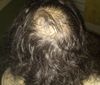
Using a dermaroller with topical minoxidil and oral finasteride regrows hair and improves temple areas. Users highlight the benefits of microneedling tools and stress the importance of consistency and proper sanitation.
Creatine may cause hair loss in some individuals, especially those on finasteride, despite no scientific link. Personal experiences suggest individual sensitivity to DHT could be a factor.
The user experienced hair regrowth using a topical solution containing 5% minoxidil and 0.1% finasteride, despite an initial shedding phase. They reported no side effects and noted significant improvement in hair density, particularly around the crown area.
A 20-year-old with aggressive hair loss is using oral minoxidil and finasteride, considering a buzz cut to manage appearance. Most suggest a buzz cut or shaving, recommending patience with medication and possibly trying RU58841 or dutasteride.
A 26-year-old male experienced hair regrowth using finasteride, minoxidil foam, and micro-needling over 2-3 months, with significant improvement in the crown, sides, and temples, but less in the hairline. He noted side effects like fluid retention in the ankles and weight gain but no change in libido.
Creatine may accelerate hair loss in those genetically predisposed, with some users reporting increased shedding while taking it and improvement after stopping. Some users use treatments like finasteride and minoxidil, while opinions on creatine's impact vary.
The user experienced significant hair regrowth using 5% topical minoxidil twice daily and 1mg oral finasteride once daily over a year. They reported no major side effects, only slightly less chest hair.
A user shared their hair transplant journey, showing progress from February 2021 to May/June 2024. They now use finasteride, minoxidil, biotin, and Nizoral shampoo, and are happy with the results.
The post discusses a theory that hair regrowth after transplant is due to the angiogenesis process (new blood vessels forming), not because the transplanted hair is unaffected by DHT. The responses highlight the established belief in 'donor dominance' (the importance of the hair's origin in transplantation) and skepticism about the new theory.
The conversation is about the effectiveness of Dutasteride (Dut) and Minoxidil (Min) in reversing hair thinning. The user has been using Dut for 3 months and Min for a couple of years, and while hair fall has reduced, thinning continues. Other users suggest that Dut can reverse hair thinning over time, possibly beyond a year, and the outcome depends on individual body reactions and the degree of hair miniaturization.
User experienced hair loss and tried Minoxidil, laser helmet, and Finasteride. Finasteride caused depression and sexual side effects, but user had a successful hair transplant.
A human trial of verteporfin, a potential treatment for hair loss, with some users noting potential improvements in scarring and overall healing compared to control areas.
.
This conversation was about hair loss treatments, with suggestions ranging from topical minoxidil and coconut oil to finasteride and microneedling. Several users suggested shaving off the remaining hair as a last resort.
User discusses two medications for stopping hair loss: Fin (finasteride) and Dut (dutasteride). Mixed experiences and side effects are shared, with some users seeing positive results.
A 19-year-old noticed hair thinning and mild receding hairline, opting for a treatment regime excluding finasteride and minoxidil. The regime includes derma rolling, rosemary and coconut oil, a massage comb, a DHT-blocker shampoo, and vitamins B12 and Biotin.
The user is experiencing hair thinning despite using finasteride and minoxidil with added tretinoin, and is considering switching to dutasteride. Suggestions include trying dutasteride, oral minoxidil, microneedling, and possibly a hair transplant for better results.
An 18-year-old with early hair loss is advised to consider minoxidil and finasteride, with a doctor's consultation recommended. Alternatives like a hair system or shaving are suggested due to potential medication side effects and lifelong commitment.
The user is experiencing hair regrowth and increased hair thickness after using supplements like biotin, zinc, selenium, and a complex with various natural ingredients, along with topical caffeine. They are considering using topical minoxidil and mesotherapy in the future.
A 26-year-old experiencing crown hair loss after years of neglect due to mental health issues is advised to improve diet, wash hair regularly, and consider using Minoxidil and Finasteride for regrowth.
The user experienced significant hair regrowth with topical finasteride, minoxidil, ketoconazole, and dermarolling, but later faced severe hair shedding after stopping dermarolling and reducing ketoconazole use. Suggestions included switching to oral treatments, resuming dermarolling, and considering lifestyle changes.
A 22-year-old experiencing hair loss, initially attributed to stress, found temporary relief with minoxidil but faced increased shedding after stopping and restarting the treatment. The advice given suggests the hair loss may be due to androgenic alopecia rather than stress, recommending consistent use of minoxidil and considering finasteride, with a suggestion to seek a second opinion from another dermatologist.
A 22-year-old is experiencing significant hair shedding and is using multiple treatments, including oral and topical minoxidil, finasteride, topical dutasteride, ketoconazole shampoo, and considering adding RU58841 and stemoxydine. Others advise patience, suggesting sticking to finasteride and minoxidil for at least a year before evaluating results, as initial shedding is normal and adding too many treatments can be counterproductive.
Fighting hair loss with "The Big 3" treatments of Propecia, Rogaine and Nizoral shampoo, as well as specific advice on how to use these products. People have shared their long-term success stories and some have discussed the side effects of finasteride. Other suggestions included Lipogaine and Pura D'or Hair Loss Prevention Therapy Shampoo & Conditioner.
Finasteride and minoxidil can revive hair dormant for up to 7 years, with microneedling enhancing regrowth. Users report significant hair regrowth even after long periods of baldness.
Diet and lifestyle changes can reduce hair shedding but won't regrow hair lost to genetic male pattern baldness. Treatments like finasteride and dutasteride are necessary for significant hair regrowth.
A user successfully regrew hair over 12 months using topical minoxidil, topical finasteride, microneedling, and supplements, with no side effects. They credit their success to consistency and a comprehensive routine.
Switching to Dutasteride worsened hair condition, causing shedding and inflammation. The user will continue Dutasteride until 18 months before possibly switching back to Finasteride, while using oral Minoxidil.
A user reported positive hair regrowth using finasteride and minoxidil for 2 months, noting thicker roots and improved appearance. The post led to skepticism and discussions on treatment methods and side effects.