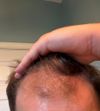
PRP treatment for hair loss shows some evidence of effectiveness, with HT surgeons using it post-op to promote growth. Microneedling is mentioned as a cheaper alternative.
The user is using Minoxidil, Finasteride, a dermaroller, vitamin D, and anti-hair loss shampoo for hair loss treatment. There is some vellus regrowth, and shedding may indicate future terminal hairgrowth.
Ultrasound imaging can non-invasively detect active and inactive hair follicles, inflammation, and fibrosis, potentially reducing unnecessary biopsies. It may help assess hairgrowth potential and diagnose scalp issues, but some users believe in trying treatments regardless of ultrasound results.
Using spirulina and chlorella to boost ferritin and iron levels reduced hair shedding by more than half in a month. The user found these natural supplements more effective than regular iron tablets for hairgrowth.
The user shared progress pictures after 5 months of using topical minoxidil (1ml per day) and oral finasteride (1mg per day) for hairgrowth, with no side effects reported. The user also mentioned having a hair transplant in December and uses pH-neutral baby shampoo.
Peptides, specifically GHK-Cu, are being considered for hairgrowth benefits, such as increasing blood flow to the scalp and preventing hair follicle shrinkage. A user reported starting GHK-Cu after hearing it made a friend's hair thicker.
The user experienced severe sexual side effects from topical finasteride with minoxidil but found no side effects with low-dose dutasteride and finasteride serums from Ulo after a hair transplant. They also used a hairgrowth serum with saw palmetto without side effects.
The user is considering switching from a topical minoxidil and finasteride solution to oral minoxidil to improve hairgrowth, while maintaining oral finasteride. They are concerned about potential shedding and whether they can maintain any new growth.
Rubbing coffee into hair may strengthen it and slow hair loss, according to one user. Other users discuss using caffeine topically, with some combining it with treatments like finasteride, minoxidil, and dermastamping for hairgrowth.
A 78-year-old man regrew hair after suffering burns, suggesting that injury-induced healing processes might trigger hairgrowth. Microneedling and other treatments like minoxidil and finasteride are discussed as potential methods to stimulate similar regrowth.
A 21-year-old male experiencing hair thinning started using Minoxidil, which stopped his shedding and led to the growth of vellus hairs on his temples. He is considering whether to add finasteride to his routine, which currently includes Minoxidil, derma rolling, ketoconazole shampoo, vitamin D3, zinc, and a rosemary and fenugreek lotion.
A 25-year-old experiencing genetic hair loss used minoxidil, biotin, and cystine but stopped due to routine fatigue, leading to worsened hair loss and unwanted body hairgrowth. They are hesitant about finasteride due to potential side effects and are seeking advice on effective treatments.
Lifestyle changes may not significantly impact hair loss, as factors like DHT and genetics play a larger role. Some users suggest treatments like finasteride, dutasteride, and microneedling for hairgrowth.
The user has been using oral finasteride, oral and topical minoxidil, RU58841, and microneedling to treat hair loss, with recent additions of oral dutasteride, GHK-Cu serum, and increased microneedling. They report visible thickening and new hairgrowth, expecting significant improvement by next June.
A 29-year-old male experienced hair loss and found improvement using a combination of onion hair oil, castor oil, ketoconazole shampoo, and aloe vera gel with vitamin E, while discontinuing minoxidil and finasteride due to side effects. He emphasizes the importance of scalp massage and oiling for hairgrowth and reduced hair fall.
A user shared their positive experience with a hair transplant surgery, detailing the process and results, including the use of 2800 grafts and post-surgery treatments like PRP. They also mentioned using finasteride, minoxidil, and supplements to maintain hairgrowth.
Topical melatonin combined with minoxidil is being discussed for its potential benefits in hairgrowth. The conversation questions if it has effects similar to finasteride.
The user shared a four-month update on their hair regrowth journey using 1mg daily finasteride, 5mg daily oral minoxidil, and weekly dermarolling, noting significant improvement in hair thickness and uniform growth. They reported no side effects from minoxidil except increased hairgrowth on arms, fingers, and eyelashes.
The post discusses an individual's 11-month hair restoration journey using oral finasteride, topical minoxidil and finasteride, micro-needling, biotin tablets, and ketoconazole shampoo. Despite mixed reactions and skepticism from others, the individual expresses gratitude for support and claims progress in hairgrowth.
The conversation discusses the lack of clinical studies on cysteine alone for hair loss, with the original poster already using medications like Minoxidil and finasteride. Suggestions include trying 2ddr as a growth stimulant, though concerns about side effects like gas are mentioned.
The conversation is about adding Swisse Hair Nutrition for Men, which contains saw palmetto and various vitamins, to a Minoxidil and finasteride regimen to potentially enhance hairgrowth. The user is seeking feedback on the effectiveness of stacking these supplements with their current treatment.
Oral minoxidil is more effective than topical for hair regrowth but may cause unwanted body hairgrowth and cardiovascular side effects. Some users experience positive results, while others discontinue use due to side effects like chest pain.
PP405 is not a cure for hair loss but may reactivate dormant hair follicles, similar to minoxidil. It is unlikely to help with miniaturized or vellus hairs and is still in trial phases, with availability expected around 2030.
A personalized topical anti-hair loss serum could include high-dose setipiprant, high-dose CB 03-01, low-dose finasteride, minoxidil, latanoprost, and tretinoin. These ingredients are suggested for their potential effectiveness in promoting hairgrowth.
Nicotinamide serum is discussed for its potential benefits in reducing inflammation related to hair loss. One user combines it with minoxidil for hairgrowth.
People are discussing hair loss treatments, including minoxidil, finasteride, and RU58841, to turn vellus hairs into terminal hairs. Some users also mention using antibiotics, oral minoxidil, dutasteride, DHT blockers, biotin, and natural remedies like onion juice and seeds to improve hairgrowth.
Finasteride does not significantly affect muscle gains and can slightly increase testosterone levels. Creatine is generally considered safe to use with finasteride, though some believe it may increase DHT levels, potentially affecting hair loss.
Finasteride and oral minoxidil significantly improved hair texture and thickness over 8 months. The user also experienced increased hairgrowth on the beard and eyebrows.
The user experienced beard loss from finasteride and RU58841 while managing hair loss. They plan to increase RU58841 dose, use a dermaroller, and consider oral minoxidil to improve hairgrowth without affecting their beard.