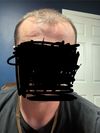
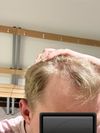
Minoxidil foam and oral finasteride resulted in significant hair regrowth, especially on the hairline, with no side effects from finasteride. The user applied Rogaine 5% for minoxidil.
Hair regrowth treatments are effective in mice but not yet available for humans. The discussion humorously highlights frustration over this disparity and mentions a project to genetically modify elephants to resemble mammoths.
The user reported positive progress in hairgrowth after taking 5 mg of oral minoxidil daily and 2.5 mg of dutasteride three times a week, with noticeable changes in hair fullness and body hairgrowth. They experienced initial side effects at a higher dosage but reported no side effects at the current dosage and plan to continue updating their progress.
The user experienced unwanted hairgrowth on their body from using a caffeine lotion, similar to their experience with minoxidil. They are seeking others' experiences with caffeine products causing hairgrowth in unintended areas.
User hides baldness with side hairgrowth, others suggest it looks good but may not work in all conditions. Some recommend starting treatment or considering a hair transplant.
MaBelen experienced hairgrowth with topical Minoxidil but it plateaued, and Finasteride and Spironolactone didn't help. They wonder if oral Minoxidil will work and if it loses effectiveness over time.
The user experienced noticeable hairgrowth after starting dermarolling with a 1mm device, using minoxidil, and nizoral shampoo. They plan to reduce dermarolling frequency to three times a week and are considering additional treatments like finasteride or a hair transplant for increased hair density.
A user who experienced hair loss and stopped finasteride 4.5 years ago is considering restarting treatment with finasteride and oral minoxidil, questioning if their hair follicles are still recoverable. Responses suggest that hair follicles may not die and can potentially be revived even after many years, with some users sharing personal success stories using treatments like minoxidil, finasteride, microneedling, and RU58841.
After a hair transplant, the user is concerned about not seeing new hairgrowth at 3 months, despite using dutasteride and minoxidil. It is advised to continue the treatment as new hair typically starts growing around 4 to 6 months post-surgery.
A user shared progress pictures showing hair regrowth after using minoxidil and finasteride for several months. Despite skepticism, the user reports noticeable improvement and aims to motivate others with hair loss.
Lifestyle factors like diet, stress, and nutrient deficiencies can impact hair regrowth, but their effects vary among individuals. Treatments mentioned include finasteride, dutasteride, and minoxidil.
Unwanted hairgrowth from minoxidil use, with suggestions to reduce dosage or switch to finasteride. Users recommend hair removal methods like shaving, waxing, or electrolysis to manage excess facial hair.
Hair follicles are mostly dormant but can be reactivated with treatments like minoxidil, finasteride, and microneedling. A new drug, PP405, shows promise for hair regrowth but may not be available until 2027-2028.
A 30-year-old male experienced hair shedding while using Minoxidil and Finasteride, with concerns about whether this is a normal shedding phase. Despite drastic hair loss, he continues the treatment, hoping for regrowth, and receives advice to maintain the regimen and consider lifestyle changes.
Hypoxia may enhance hairgrowth by stimulating stem cells, but it could also risk fibrosis. Some users humorously discuss extreme methods like choking while using minoxidil, highlighting the need for new treatments.
PP405 is a new hairgrowth stimulant different from Minoxidil, currently in phase 2 trials. Users discuss its potential, safety concerns, and the long wait before it might be available.
JW0061 shows superior hairgrowth results compared to existing treatments, with significant increases in hair follicles. The Wnt/β-catenin pathway is crucial for hairgrowth, and JW0061 activates this pathway effectively.
Hair loss discussion mentions using estrogen mixed with growth stimulants like oral minoxidil for scalp hairgrowth. Idea proposed for an artificial SARM-estrogen that only affects hair without body side effects.
Using a combination of Stemoxydine, minoxidil, dutasteride, and keto shampoo to achieve extreme hair and beard growth. The user has experienced positive results with terminal hairs at the hairline and an increase in density to their stubble after several weeks of use.
A woman underwent a hair transplant in Istanbul, receiving 3,000 grafts, and is pleased with the natural-looking results one year later. The experience included a 5-star hotel stay, PRP session, laser treatment, and detailed aftercare, leading to improved hair density and confidence.
The conversation discusses hair regrowth treatments, specifically using oral minoxidil, finasteride, and dutasteride. The user experienced hairgrowth after switching to oral medications and adjusting dosages, with no significant side effects reported.
The user has been using finasteride for 18 months and minoxidil for 9 months, recently switching to dutasteride, but still struggles with hairgrowth at the hairline. They are considering taking creatine and are unsure if it would be a bad idea.
PP405, a topical treatment, shows promise for hairgrowth by activating inactive follicles, with 66% of participants experiencing positive results. The treatment is well-tolerated and may proceed directly to Phase 3 trials, offering a potential alternative to minoxidil and finasteride.
A user shared their 3-month hairgrowth progress using topical minoxidil, finasteride, Dermazole Ketoconazole shampoo, and a derma stamp. They reported no side effects and continued dandruff despite using the shampoo.
The conversation discusses the effectiveness of a "Hairgrowth complex" pill, with skepticism about its ingredients like saw palmetto and anagain. Users suggest saw palmetto may help slightly with DHT-related hair loss, but it's less effective than finasteride or dutasteride.