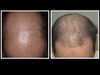
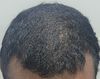
A user claims to see new baby hairs after using peppermint and castor oil for nearly two weeks, but others are skeptical, attributing the appearance of new hair to the way the hair is styled or pulled back.
User used Finasteride, Dutasteride, and Minoxidil for one year to treat hair loss. They discussed possibly trying RU58841 or pyrilutamide in the future.
A 45-year-old from Lahore, Pakistan, shares their 7-month hairgrowth progress after starting a new hair regeneration treatment. Previous treatments with minoxidil and finasteride showed no progress.
Hairgrowth caps and helmets using low-level laser therapy (LLLT) show potential for treating androgenetic alopecia, but more research is needed. Users often combine these devices with treatments like minoxidil and finasteride for better results.
Hairgrowth relies on mechanical forces, not just chemicals, with tissue acting like a motor. Minoxidil and finasteride help, but maintaining tissue elasticity and addressing mechanical issues are essential.
The user started using topical minoxidil and recently added oral finasteride to their routine, seeing some progress but seeking advice on further hairline improvement. Other users shared their positive experiences with minoxidil and finasteride, suggesting patience and a simplified routine for better results.
Hairgrowth progress using Propecia, Minoxidil, dermarolling, ketoconazole shampoo, and vitamins. Noticeable hairgrowth in temples after 3 months and 10 days.
Adipose-derived stem cells with ATP improved hair regrowth in male and female mice with androgenetic alopecia. The most effective treatments were low dose stem cells with ATP for males and medium dose stem cells with non-liposomal ATP for females.
The user experienced hair regrowth with oral Minoxidil, dandruff shampoo, topical Nanoxidil, and Revita Shampoo but lost progress after stopping Nanoxidil temporarily. They are now using topical Nanoxidil and oral dutasteride but are experiencing increased shedding and are unsure whether to continue or revert to their original regimen.
A user is developing a tool to track hair density, aiming to help those using treatments like minoxidil. They seek feedback on the tool's usefulness and are considering a low-cost model to cover expenses.
The user experienced significant hairgrowth using Hims chewable tablets containing finasteride and minoxidil but switched to a topical spray due to side effects from finasteride. The user reported improved side effects after switching to the topical form and noted continued hairgrowth progress.
The user discusses using Minoxidil and plans to start Finasteride for genetic hair loss. They also mention natural remedies like gold shilajit, moringa powder, a seed mixture, and cardio exercise, emphasizing that while these can help, Minoxidil and Finasteride are necessary.
A 31-year-old who experienced severe hair loss during medical school tried various treatments, including topical and oral finasteride and minoxidil, but stopped due to side effects. They restarted treatment 10 months ago with a regimen including topical finasteride, minoxidil, retinoic acid, hydrocortisone, oral minoxidil, and light therapy, emphasizing the importance of consistency and skincare.
The user is experiencing significant hair regrowth using a regimen of 1mg oral finasteride, 1.25mg oral minoxidil, 5% topical minoxidil twice daily, biotin, vitamin D3, fish oil, and weekly microneedling with a 1mm needle roller. They are pleased with the progress and hope their protocol can help others achieve similar results.
Adequate nourishment and hormone replenishment helped with hair regrowth. Vegamour and Novo blends hair vitamins were also used but likely not effective alone.
Hair loss impacts mental health, with treatments like Minoxidil, finasteride, and stem cell transplants discussed. There is hope for future breakthroughs, but current treatments are limited, and awareness is lacking.
Finasteride can increase body and facial hairgrowth due to increased testosterone, despite its intended use to reduce hair loss on the scalp. Some users consider trying topical finasteride for less systemic impact, while others report mixed results and side effects.
The user has been using 5mg minoxidil for a year, resulting in more body hair but no new hairgrowth on the head. They are seeking advice on promoting hairgrowth on the scalp.
Effective hairgrowth treatments include finasteride, minoxidil, dutasteride, and hair transplants, with additional options like microneedling, low-level laser therapy, and PRP showing some benefits. Newer treatments such as GHK-Cu peptides and ketoconazole shampoo are promising, while others like saw palmetto and biotin are less effective unless deficiencies exist.
The user is questioning whether their hair shows signs of regrowth or just normal growth after two weeks. They are using Minoxidil, Finasteride, and RU58841 for hair treatment.
The user experienced new hairgrowth after switching from oral finasteride to topical RU58841 with minoxidil and undergoing stem cell therapy. They noticed new hairs at the hairline and temples, but are unsure which treatment is responsible.
A user shared progress pictures showing hair regrowth after using minoxidil and finasteride for several months. Despite skepticism, the user reports noticeable improvement and aims to motivate others with hair loss.
The user is seeking alternatives to Minoxidil for hairgrowth, currently using 0.1% topical finasteride and 2% ketoconazole shampoo. Suggestions include microneedling, red light therapy, rosemary oil, and other topical treatments like cetirizine, Stemoxydine, and Latanoprost.
The user experienced temporary peach fuzz growth using a product with procapil and later tried minoxidil and finasteride without significant results. Their boyfriend has used minoxidil and finasteride consistently for over five years with sparse hair improvement.
Unwanted hairgrowth from minoxidil use, with suggestions to reduce dosage or switch to finasteride. Users recommend hair removal methods like shaving, waxing, or electrolysis to manage excess facial hair.
The conversation discusses hair loss treatments, specifically using rosemary oil and biotin hair oil. Users suggest that medication might be more effective than these oils.
Significant hairgrowth was achieved using Minoxidil 5% and dermarolling twice a week, with suggestions to add finasteride for maintenance. There is debate on when to apply Minoxidil after dermarolling to avoid irritation.
Minoxidil foam and oral finasteride resulted in significant hair regrowth, especially on the hairline, with no side effects from finasteride. The user applied Rogaine 5% for minoxidil.