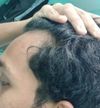
Nicotine use, especially from vaping, may worsen hair shedding and reduce the effectiveness of finasteride and dutasteride. Quitting nicotine seems to improve hairhealth.
Vitamin D deficiency can contribute to hair loss, but it is not the sole cause, and supplementation may not always resolve the issue. Treatments like finasteride and minoxidil are recommended for hair regrowth, with vitamin D and other supplements providing additional support.
Using spirulina and chlorella to boost ferritin and iron levels reduced hair shedding by more than half in a month. The user found these natural supplements more effective than regular iron tablets for hair growth.
A 21-year-old male experienced initial success with finasteride for 16 months but is now losing hair again. He is considering switching to dutasteride and adding oral minoxidil, while also investigating environmental and health factors.
The user has been on Finasteride and oral Minoxidil for hair loss and experienced minimal side effects. They suggest that a healthy lifestyle, including good sleep, exercise, diet, skincare, and mental health care, may help reduce the perceived side effects of Finasteride, although another user disagrees, emphasizing that side effects can vary and may not be mitigated by lifestyle alone.
A 23-year-old male is experiencing rapid hair thinning and receding hairline, feeling emotionally drained. He has tried GFC, PRP, ketoconazole shampoo, and supplements without improvement and is considering minoxidil, finasteride, and possibly a hair transplant.
The user experienced significant hair regrowth using minoxidil, microneedling, and estrogen, leading to a need to tie their hair back. They attribute the success to estrogen suppressing testosterone, alongside their routine of minoxidil, microneedling, and supplements.
The conversation discusses various treatments for hair loss, including finasteride, minoxidil, keto shampoo, derma stamping, vitamin D, and dutasteride. It also mentions lifestyle changes like exercise, quitting smoking, and dietary supplements.
A user's journey to try and stop their hair loss, including the use of oral finasteride, topical minoxidil, ketoconazole shampoo, Cynatine Keratin supplements, and The Ordinary's Multi-Peptide Serum for Hair Density; and advice from other users regarding trying dutasteride, oral minoxidil, and lifestyle changes.
A user is seeking advice on enhancing their hair loss treatment regimen, which currently includes finasteride, minoxidil, saw palmetto, and Nizoral shampoo, with plans to add oral minoxidil, a laser cap, and various supplements. They are considering purchasing additional treatments like topical finasteride, melatonin, Eucapil, and Stemoxydine from Indian and international sources.
Oral minoxidil is causing body hair growth but not improving scalp hair, despite using dutasteride and finasteride. Users suggest waiting longer for results, checking vitamin levels, and considering additional treatments like topical minoxidil, dermarolling, and supplements.
A user successfully regrew their hair over 8 months using topical minoxidil, finasteride, a healthy lifestyle, and derma stamping. They emphasize the results are genuine and not from hair transplants.
Improved diet, reduced alcohol consumption, and better water quality led to thicker hair and less shedding. The user also used MSM supplements, vitamin C, multivitamins, biotin shampoo, and growth oil.
A 48-year-old man has been using minoxidil for 15 years and considered finasteride but stopped due to potential side effects. He is concerned about his mental health and the impact of hair loss on self-image, and he encourages support among men experiencing hair loss.
The conversation is about the difference in hair loss between bodybuilders in the "Golden Era" and modern bodybuilders. Some users speculate that factors such as the types and doses of steroids used, genetics, diet, microplastics, and overall health may contribute to hair loss. Hair loss prevention medication and transplants are mentioned as potential treatments.
A 23-year-old male shared his 6-month hair loss progress using Minoxidil, Finasteride, Ketoconazole shampoo, microneedling, and vitamin supplements. He noticed hair loss at 19, which accelerated during the pandemic.
A user who has been using the "Big 3" hair loss treatments (ketoconazole, minoxidil and finasteride) for 2-3 months and is hoping to see positive results. The other user commented that they look like a hyper responder and asked if they were using oral or topical fin/min.
A user named "bmbshell" who was dealing with hair loss and initially tried to fix it with a hair system before deciding to try finasteride, dutasteride, minoxidil, microneedling, and biotin supplements. They documented their progress over the past 1 year and 3 months, showing how effective these treatments were in regrowing their hair.
A user shared their 1.5-year experience using Minoxidil, a derma roller, and hair oil for hair loss, noting significant improvements in hairhealth and density. They also emphasized the importance of a healthier lifestyle and the positive impact of using a product combining Minoxidil with plant extracts.
DHT is not the only cause of male pattern hair loss; genetic sensitivity, inflammation, and fibrosis also contribute. GHK-Cu, a copper peptide, is being explored as an alternative treatment to finasteride and minoxidil, showing potential in improving follicle health.
The conversation is about a user's 17-month progress in treating hair loss using finasteride, minoxidil, occasional 0.5mm microneedling, and Nizoral. The user reports significant hairline recovery and aims to achieve a pre-hair loss hairline within the next 6 months.
The positive effects of Finasteride, a hair loss treatment; and various other treatments such as Minoxidil and Nizoral that can be used to treat hair loss. Additionally, other methods are discussed, such as micro needling and taking spearmint supplements, which have been seen to help in some cases.
The conclusion of the conversation is that the user, "Hello_Knicks," achieved significant hair growth and density by consistently using a combination of finasteride, dutasteride, minoxidil, dermarolling, nizoral, vitamin supplements, and a healthier diet. The user, who is a medical doctor, believes that patience, persistence, and medication compliance are key factors in achieving positive results.
Improving hairhealth involves not only using treatments like finasteride, minoxidil, and ketoconazole but also focusing on a healthy lifestyle, including diet, exercise, and stress management. A balanced approach enhances treatment effectiveness and overall well-being.
Oral copper supplementation significantly improved hair regrowth for someone who experienced severe hair loss after stopping minoxidil, suggesting copper deficiency might hinder minoxidil's effectiveness. The user now only takes copper and occasionally uses microneedling, recommending others to try copper if minoxidil alone isn't effective.
Vitamin D supplementation may have led to slight hair regrowth and density improvement. Other treatments discussed include finasteride, minoxidil, and maintaining optimal vitamin D levels.
A user improved their hairhealth by taking 50,000 IU of vitamin D3 weekly due to a deficiency. Others discussed the potential link between vitamin D and hair growth, with some sharing similar experiences and emphasizing the importance of monitoring vitamin D levels and consulting with doctors.
Vitamin D supplementation can aid hair regrowth for some, but results differ. Combining vitamin D with finasteride and minoxidil often improves hair thickness, though not for everyone.
The conversation discusses the potential benefits and risks of using Methionine and Glycine for hair loss, with concerns about cancer risk if not balanced properly. The user seeks opinions on these amino acids for hairhealth and overall benefits.
A hair loss product containing ingredients like saw palmetto, biotin, vitamin D, and others, which claims to promote healthyhair growth and support men's health. However, user reviews are mixed, with some experiencing side effects like mood swings and nausea, and others questioning its effectiveness compared to a simple multivitamin.