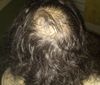
Hair provides protection against head trauma, reduces skin cancer risk, helps remove heavy metals, and aids in wound healing. The conversation emphasizes the health benefits of maintaining head hair beyond cosmetic reasons.
The conversation discusses hair thinning potentially linked to gut health issues and suggests biotin as a possible treatment. It also mentions that hair thinning could be due to male pattern baldness (MPB).
Hair loss impacts mental health and should be covered by healthcare, with treatments like finasteride, dutasteride, and minoxidil being affordable and effective. Some argue hair loss is cosmetic and shouldn't be funded, while others highlight its broader health implications.
Hair loss impacts mental health, with treatments like Minoxidil, finasteride, and stem cell transplants discussed. There is hope for future breakthroughs, but current treatments are limited, and awareness is lacking.
The conversation discusses various supplements and vitamins like Vitamin D3, K2, Biotin, Iron, Zinc, and B Vitamins for improving hairhealth. It also mentions a combination of Tocotrienols, Pycnogenol, Saw Palmetto, Pumpkin Seed Oil, Stinging Nettle, and Myricetin for stabilizing hair, with Saw Palmetto, Pygeum, and Stinging Nettle noted for thickening hair despite side effects.
Hair loss is primarily genetic, and nutrient deficiencies are unlikely to be the cause. DHT inhibitors can slow hair loss, but concerns about side effects are common.
A healthy scalp barrier is crucial for hair growth, and ceramides may play a key role in maintaining it. The conversation suggests that focusing on scalp health, alongside treatments like Minoxidil, Finasteride, and RU58841, could improve hair follicle health.
A 20-year-old with no signs of hair loss is considering finasteride or dutasteride due to family history of baldness. Advice given is to monitor hair and start treatment only if thinning occurs.
The user seeks advice on making hair look healthier, mentioning past use of finasteride after a hair transplant. They request recommendations for nourishing shampoo/conditioner, hair growth vitamins, a good hair oil, and a natural method to cover greys.
The user improved hairhealth using natural products and plans to start using minoxidil, finasteride, and derma stamping for further hairline improvement. They wash hair weekly with Sweet Ginger shampoo and use Bamboo Charcoal for deep cleansing, while conditioning twice a week.
User with shoulder-length hair using Finasteride for 5 weeks notices less long hair loss but more short hair loss. They also use keto for sebderm and vitamin D3.
The post and conversation are about hair loss treatments and tips for healthier hair, including using a dermaroller, taking vitamins (D, omega 3, zinc, magnesium), and using a silk pillowcase. The user also inquires about the effectiveness of aloe vera and oils for hair.
The conversation discusses the potential link between gut health and hair loss, with personal experiences of hair thinning and stomach issues shared. Some individuals found no success with common hair loss treatments like Minoxidil and Finasteride and are exploring the impact of gut health on hair growth.
The conversation discusses the importance of scalp skin barrier health in hair follicle cycling, suggesting treatments like ceramides or niacinamide to support hair growth. It also mentions the use of finasteride for hair loss.
A user sought treatment for hair loss through Cortina Health, where they were prescribed a specific topical solution containing Finasteride, Minoxidil, and Retinoic Acid. They are unsure if this unique combination is better than generic products and are seeking advice on whether to trust Cortina Health.
The conversation discusses hair loss treatments, specifically Minoxidil, finasteride, and RU58841. It highlights the South Korean president's push for public health coverage for hair loss.
The conversation is about supplements for hairhealth. Nutrafol and Viviscal are mentioned, with Nutrafol preferred due to saw palmetto; individual supplements like zinc, vitamin D, iron, B complex, magnesium, and inositol are also discussed.
A 30-year-old man with diffuse hair thinning shared his hair regrowth regimen, which includes increasing Vitamin D intake, taking oral castor oil, using a dermapen, and various supplements like Glycine, K2, Vitamin E, Vitamin C, Aspirin, Sodium Bicarbonate, and a multivitamin. He also mentioned inconsistent use of Minoxidil, Peppermint Oil, Zix, and topical Castor Oil, and negative side effects from Finasteride, RU58841, and Nizoral.
OP is pausing hair loss treatments to focus on mental health due to anxiety and side effects from RU58841. They plan to try topical finasteride and minoxidil after recovering from pneumonia.
A new hair loss treatment involving Keratin Microsphere Gel is discussed, with skepticism and jokes about its effectiveness and comparisons to other treatments. Users are doubtful and make light of the situation, referencing past disappointments and the study's focus on mice.
Astaxanthin (ASX) is highlighted as a promising supplement for treating hair loss due to its antioxidant properties. It may help with inflammation and oxidative stress, which are linked to hair loss and aging.
Creatine monohydrate's potential link to hair loss, with mixed opinions on its effects. Treatments like minoxidil, finasteride, and RU58841 are discussed.
A 22-year-old male experiencing diffuse thinning and frizzy hair has been using finasteride for nine months and is seeking advice on improving hair quality. Suggestions include using conditioners, biotin, rosemary oil, and addressing scalp conditions like seborrheic dermatitis or psoriasis, while finasteride may help reverse miniaturization and improve hairhealth.
The user has been using Minoxidil for 6 months and biotin for 2 months without seeing results and is considering starting finasteride due to receding hair at the right temple. Replies suggest starting finasteride and comment on the user's hairline.
The conversation is about the effects of steroids on hair loss. Some users believe that steroids can cause hair loss, while others argue that it depends on individual sensitivity to DHT. There is also discussion about the appearance of balding individuals who use steroids.
The user is considering starting a 6-month treatment with minoxidil and finasteride for hair loss but is unsure due to minimal current hair loss and concerns about mental health effects from oral finasteride. They are uncertain about the correct application areas for these treatments.
A 26-year-old experiencing crown hair loss after years of neglect due to mental health issues is advised to improve diet, wash hair regularly, and consider using Minoxidil and Finasteride for regrowth.
User obsessed with hair loss prevention shares collection of treatments, including oral and topical finasteride, minoxidil, dermapen, and more. Others suggest adding RU58841, laser helmet, and PRP, while some advise dropping certain treatments for long-term manageability.
Oral minoxidil may improve hair growth, reduce arterial stiffness, and prevent other health issues. Some users believe it is an effective treatment despite concerns about its effects on skin and blood.