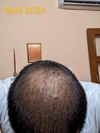
Focus on scalp health, not just DHT suppression, is crucial for hair regrowth. Effective treatments include Hair Restoration shampoo, LLLT laser cap, microneedling, and topical finasteride.
A 25-year-old male has been using finasteride since October 2022 to combat diffuse thinning and hairline recession, experiencing initial shedding but later stabilization. He plans to add oral minoxidil to improve hair density and is open to trying dutasteride if necessary, with minimal side effects reported.
A 51-year-old woman switched from Minoxidil to Maneup, a copper peptide treatment, experiencing initial hair loss but later regrowth with different hair texture. Users debated Maneup's effectiveness, with some considering it alongside finasteride.
A user shared their 3-month progress using 1mg oral finasteride daily and 5% topical minoxidil twice daily, along with Pura D’Or anti-thinning shampoo and a scalp massager. They noticed initial worsening but later saw hair follicle recovery.
The user shared progress pictures over four months using topical finasteride (0.1%) and minoxidil, initially at 7% and later increased to 10%, with retinoic acid. Another user suggested trying a hair system or shaving, doubting the effectiveness of the treatments.
The user has been using topical minoxidil and oral finasteride for a year, experiencing initial side effects and shedding, but later noticing thicker hair. They are concerned about recent hair loss and considering increasing finasteride dosage, while others suggest patience and possibly adding minoxidil or dutasteride.
A 20-year-old used finasteride, minoxidil foam, and micro-needling for hair regrowth, experiencing initial shedding but later improvement with minimal side effects. They are happy with the results and seek advice on additional products like rosemary oil for scalp health.
The user has been using 2.5 mg oral minoxidil daily and initially 0.5 mg finasteride daily, later switching to 0.25 mg dutasteride daily, but has not seen significant progress in hair regrowth after 15 months. The user is concerned about crown balding and thinning despite treatment.
The user shared their one-year transformation using finasteride 1 mg daily and topical minoxidil once a day, noting initial side effects like reduced sex drive that later subsided. They observed hair improvement after 3-4 months, with no significant shedding beyond normal hair loss during detangling.
A 38-year-old man is using topical and oral Minoxidil, DHT blocker shampoo, and microneedling for hair regrowth, with plans to add Finasteride later. Many users suggest starting Finasteride or Dutasteride immediately to address the root cause of hair loss, while some express concerns about potential side effects.
A 26-year-old has been using finasteride for over two years, initially at 1.25mg daily and later at 5mg weekly, resulting in stable hair condition with some regrowth and minimal side effects. The user reports high libido and a protein and vegetable-heavy diet, with initial watery semen as the only side effect.
A 24-year-old with male pattern baldness experienced side effects from oral finasteride and switched to a topical minoxidil/finasteride combination, later incorporating daily shampooing and scalp brushing to manage hair loss and dandruff. After initial shedding, the regimen led to reduced hair loss and new hair growth, with the user now using a densita mf combination (5% minoxidil/0.1% finasteride + redensyl) nightly.
OP has been using alfatradiol and a mix of rosemary, peppermint, and jojoba oils for hair loss, with inconsistent dermapen sessions. They plan to add topical finasteride at 0.025% later.
The user started using minoxidil in March 2024, added dermastamping, and later switched to a minoxidil/finasteride spray, also using Nizoral. They report fuller hair and positive comments from friends and family.
After one year of using 1mg oral finasteride and 5% minoxidil daily, along with initial weekly microneedling that later became biweekly, the individual's hair appears improved. They have stopped microneedling but continue with finasteride and minoxidil.
User is 25, using oral finasteride for 4 years, topical minoxidil for 3 years, and microneedling. They ask if hair transplant can be done without scarring when shaving head completely bald later.
The user is using a topical spray with finasteride and minoxidil, red light therapy, and ketoconazole shampoo for hair loss, and is considering waiting a year before getting a hair transplant. Other users suggest microneedling, using oral treatments, and investing in a laser helmet for better results.
A 25-year-old male experienced side effects from finasteride and stopped using it, continuing with minoxidil, vitamin D, and considering microneedling or laser therapy. He is exploring alternatives like topical dutasteride, RU58841, and possibly hair transplants or hair systems.
Herbal treatments like pumpkin seed oil, saw palmetto, and rosemary oil showed little to no effectiveness for hair loss, with some users experiencing negative effects. Regular treatments like finasteride and minoxidil are suggested to be more effective, while vigorous scalp massage and low-level laser therapy (LLLT) might offer some benefits.
The user started using minoxidil in September 2024 and finasteride in February 2025, along with dermal rolling, rosemary and clove water, and copper peptide serum for hair growth. They experienced positive hair growth results but had issues with a poorly done scalp micropigmentation (SMP) tattoo, which they are in the process of removing with laser treatments.
The user started finasteride again, using it every other day, along with a laser helmet, inversion massage, and various supplements. They are considering Minoxidil but had a bad reaction previously and plan to get hair grafts.
A man in his 50s, who has been on Finasteride for 15 years, is considering adding a custom topical Minoxidil blend to his treatment due to recent hairline recession. He questions whether the custom blend is more effective than generic Minoxidil, expresses concerns about shedding and body hair growth, and seeks advice on application timing with styling products and whether to pursue other treatments like PRP or laser.
User tried topical fin, dut, min, tret, hydrocortisone, microneedling, nizoral, collagen, propidren supplements, and laser helmet for hair loss with slow progress. They ask if topical spironolactone is a safer, effective alternative to RU for suppressing testosterone and treating hair loss in men.
The conversation discusses using a multimodal approach to treat androgenic alopecia, including substances like gamma-linolenic acid, DHA, sulforaphane, melatonin, cetirizine, astaxanthin, fisetin, apigenin, curcumin, limonene, genistein, and berberine. Users also mention using ketoconazole, minoxidil, and low-level laser therapy (LLLT) as part of their hair loss treatment regimens.
People discussed hair loss treatments, including finasteride, minoxidil, and microneedling, with varying results and concerns about genetics and hormone levels. Some users shared personal experiences with medication dosages and side effects, while others mentioned the impact of stress on hair loss.
OP shared a 7-year hair density progress update using Minoxidil, Finasteride, and dermarolling. Creatine use was discussed, with mixed opinions on its impact on hair loss.
People are discussing hair loss after COVID, with one person reporting significant thinning and asking about recovery time and treatments. Their current treatment includes daily Minoxidil, daily 0.5mg Dutasteride, twice-weekly Ketoconazole 2%, daily RU58841, and weekly microneedling.
A 31-year-old who experienced severe hair loss during medical school tried various treatments, including topical and oral finasteride and minoxidil, but stopped due to side effects. They restarted treatment 10 months ago with a regimen including topical finasteride, minoxidil, retinoic acid, hydrocortisone, oral minoxidil, and light therapy, emphasizing the importance of consistency and skincare.
Stopping hair loss treatments like finasteride and minoxidil can result in losing regrown hair, highlighting the importance of consistent use. Restarting these treatments may cause temporary shedding, but hair can regrow with continued use.
Minoxidil and LLLT are compared for treating hair loss, with LLLT showing higher regrowth rates and fewer side effects. LLLT is less time-consuming and more suitable for those with health issues, while Minoxidil requires daily application.