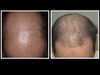
Hair loss is influenced by multiple genetic factors, not just maternal lineage. Treatments like finasteride, minoxidil, and nizoral are suggested if male pattern baldness progresses.
Hair loss is influenced by genetics and sensitivity to hormones like DHT. Treatments like Minoxidil and finasteride are commonly used, and baldness persists as it doesn't affect reproductive success.
Hair loss involves more than just DHT, with genetic factors like TRPS affecting hair follicles. Treatments such as Amplifica's AMP-601 and AMP-303 target stem cells for potential hair growth solutions.
Hair loss discussion mentions Native Americans' resistance to male pattern baldness and lack of facial hair. Users discuss genetics, sun exposure, and potential treatments like minoxidil and finasteride.
AMP-303 and AMP-601 are new hair loss treatments targeting dermal papilla cells, with AMP-303 showing early efficacy in transitioning vellus hairs to terminal hairs after one injection. Further clinical trials are planned, and these treatments are seen as promising due to their biologic approach and less frequent application compared to daily treatments.
PP405 may damage hair follicles if used long-term, suggesting cycling might be necessary. Combining it with finasteride could help maintain hair growth.
A 32-year-old man from Vietnam, at Norwood 7 hair loss, is using Minoxidil, Finasteride, rosemary oil, NMN, and CoQ10 to regrow hair. Despite minor improvements, alternatives like hair systems or accepting baldness are suggested due to advanced hair loss.
The conversation is about a user sharing their hair transplant results and seeking feedback. They are taking finasteride, minoxidil, oral minoxidil, vitamins, and using special shampoo to maintain their hair.
A human trial of verteporfin, a potential treatment for hair loss, with some users noting potential improvements in scarring and overall healing compared to control areas.
Oral dutasteride (0.5mg) is most effective for male hair loss, followed by oral finasteride (5mg), oral minoxidil (5mg), and oral finasteride (1mg). Different treatments have benefits and side effects, and results don't apply to women's hair loss.
Hair loss discussion explores why Prince William didn't use treatments like finasteride or minoxidil. Reasons include indifference to appearance, potential side effects, and royal responsibilities.
Hair loss is linked to cellular physiology and the IGF-1 to TGF-B1 ratio, not just androgen sensitivity. The theory lacks evidence, while finasteride and minoxidil are effective treatments.
Finasteride can effectively slow or halt hair loss, even for those genetically predisposed to significant balding, like Norwood 6 or 7. Many users report long-term maintenance or improvement, often combining it with other treatments like Dutasteride or Minoxidil for better results.
A 27-year-old male with androgenetic alopecia has been using finasteride, topical minoxidil, and microneedling for over six months to stabilize hair loss and prepare for a potential hair transplant. While some users suggest switching to dutasteride and increasing minoxidil usage, others note minimal progress, with some hair stabilization but concerns about thinning at the crown.
Finasteride is discussed as a hair loss treatment with benefits like reduced prostate enlargement and skin aging, but it is not seen as a "fountain of youth." Users report mixed experiences, including side effects like decreased libido and dry eyes.
The conversation is about the effectiveness of hair loss treatments, specifically finasteride and dutasteride, in different populations. Some users believe that the results of Japanese studies may not be relevant to Caucasian men, especially young ones, and that East Asians may respond better to these treatments. Others argue that clinical studies should be the basis for decision-making, while acknowledging that individual responses to medications can vary.
A user's progress with hair regrowth after using minoxidil, finasteride, and microneedling treatments for hair loss, which resulted in impressive gains over the span of nine months. Other users asked about exact dosages, frequencies, and side effects used by this user.
There is concern about a potential ban on finasteride in the EU, but many believe it is unlikely unless serious side effects are found. Users rely on finasteride for hair loss and other health benefits, and a petition has been created to oppose any restrictions.
The conclusion of the conversation is that the user has experienced significant hair regrowth using a combination of medications, including dutasteride, RU58841, and minoxidil. They have not experienced any noticeable side effects and are considering a hair transplant in the future.
If you didn't tell them.
This conversation is about a user's progress with hair loss treatments using Minoxidil and Finasteride since November of the previous year, which have been successful so far. The other users were making jokes about ED referring to Erectile Dysfunction.
The conversation discusses hair color change and shedding, questioning if it's due to Telogen Effluvium or Androgenetic Alopecia (AGA). Treatments mentioned include Minoxidil, finasteride, and RU58841.
A 45-year-old from Lahore, Pakistan, shares their 7-month hair growth progress after starting a new hair regeneration treatment. Previous treatments with minoxidil and finasteride showed no progress.
After a 1,200 graft hair transplant and using minoxidil and finasteride, the user's hair initially improved but later thinned and changed texture. They are seeking advice on this issue and have a dermatologist appointment scheduled.
A user shared their experience with hair regrowth using supplements like NAC and DIM, and briefly using minoxidil with microneedling. They reported some improvement in hair density, but the community questioned the effectiveness compared to traditional treatments like finasteride.