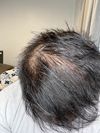
KX-826 stopped hairloss for the user after stopping finasteride due to mild side effects. The user experienced mild headaches initially with KX-826, which resolved after a few days.
The user experienced hairloss and itching after stopping RU58841 and resumed it to stop these symptoms. They also use Dutasteride and question which treatment is effective.
Hairloss treatment using minoxidil and finasteride, with the user experiencing a shed after reducing the frequency of application and stopping microneedling. The user is now waiting for new hair growth and hoping to see similar results as before.
Finasteride is not effectively stoppinghairloss for the user, who is considering alternatives like Dutasteride, Minoxidil, and microneedling, but is hesitant about surgery or hair systems. The user expresses frustration with the lack of effective treatments for male pattern baldness.
The user regrets stopping finasteride and minoxidil due to increased hairloss. They have resumed these treatments and are considering a hair transplant.
Shampoos are not effective for stoppinghairloss; treatments like minoxidil, finasteride, and dutasteride are more effective. Ketoconazole shampoo may help with scalp inflammation but not directly with hairloss.
A 33-year-old experienced significant hairloss after a depressive episode and taking paroxetine, possibly due to telogen effluvium or androgenic alopecia. Suggestions included reducing alcohol, considering finasteride and minoxidil, and consulting a doctor about antidepressant side effects.
The user experienced hairloss after switching to daily microneedling and stopping tretinoin, while continuing oral finasteride, minoxidil, and other treatments. The consensus suggests daily microneedling is excessive and harmful, recommending less frequent sessions to allow healing.
Stopping finasteride often leads to rapid hairloss, returning to a genetic baseline, as the drug temporarily halts hairloss and promotes regrowth. The discussion explores the complexity of hairloss, suggesting that factors beyond DHT, such as genetics and scalp conditions, may play a role.
Dutasteride and finasteride are not effectively stoppinghairloss for some users, despite long-term use. Some are considering or using RU58841, pyrilutamide, and other treatments like microneedling, while also managing seborrheic dermatitis with diet and topical solutions.
Stopping minoxidil can lead to significant hairloss, but resuming it may help regain hair. Users emphasize the importance of continuing minoxidil and finasteride to maintain hair health.
The conversation discusses a hairloss treatment regimen involving finasteride, dutasteride, spironolactone, bicalutamide, oral estradiol, microneedling, and minoxidil. The regimen aims to reduce androgenic alopecia by blocking DHT and androgens, with a caution about potential feminizing effects.
Finasteride and dutasteride are essential for stoppinghairloss, while natural remedies are ineffective. Minoxidil can be added if needed, but blocking DHT is crucial.
Stopping minoxidil can lead to significant hairloss, but resuming it along with finasteride can help regain lost hair over time. Consistency is key for maintaining hair health and regrowth.
Creatine may accelerate genetic hairloss, but stopping it can reverse the effects. Finasteride helps block DHT, and some users report no issues taking both daily.
A user experienced hairloss improvement with Minoxidil and Finasteride but after stopping for 3-5 weeks, their hair got significantly thinner. They resumed treatment but didn't recover their previous hair thickness and are now trying RU58841 despite potential risks.
Stopping creatine led to reduced hairloss for some, despite no proven link between creatine and hairloss. Users shared experiences, with some using minoxidil and finasteride to manage hairloss.
Hairloss, DHT and bloodflow with Andrew Huberman; the discussion includes opinions about supplements, finasteride, minoxidil, turmeric, coffee and botox injections for hairloss.
Finasteride is effective for maintaining hair and stoppinghairloss, with many users experiencing long-term success and minimal side effects. Some users consider switching to Dutasteride or adding Minoxidil for additional regrowth.
Hairloss treatments include topical and oral minoxidil, low-level laser light therapy, and peptide serums. Bryan Johnson avoids finasteride and dutasteride due to potential side effects, focusing instead on his own protocol with these treatments.
Lowering DHT can improve skin quality and reduce scalp issues. Finasteride is effective for hair regrowth and improving skin texture, while dutasteride may increase oiliness and shedding for some users.
The user experienced significant hair shedding after using a dermapen at 1.5mm weekly, which they later realized was too much. They are now using a dermapen at 0.75mm weekly and are also using topical minoxidil twice daily and finasteride 1.25mg daily.
People shared their experiences with coffee consumption and hairloss, with mixed results. Some noticed more hairloss with increased caffeine, while others saw no effect or even hair regrowth, often using treatments like finasteride and minoxidil.
Switching from Arimidex to Raloxifene worsened hairloss despite using Dutasteride. The user added oral Minoxidil, dermastamping, and RU58841 to their regimen to address the issue.
Ketoconazole shampoo may help with early-stage hairloss by stoppinghair regression and promoting new hair growth, though its effectiveness as a DHT blocker is debated. Users report varying results, with some experiencing dryness and others seeing improvement when used 2-3 times a week.
Hairloss significantly affects men's confidence and mental health. Common treatments include finasteride, dutasteride, and minoxidil, with some considering hair transplants.
User used finasteride and minoxidil for hairloss, experienced side effects initially, but saw improvement after stopping minoxidil and ignoring side effects. New hairstyle also improved hair appearance.
Hair growth can be induced without stopping DHT, as seen with Minoxidil. HMI115 may work by promoting follicle growth, not targeting the root cause of hairloss (DHT).