Caffeine may interfere with oral minoxidil because caffeine increases blood pressure while minoxidil lowers it. Users discuss potential interactions and effects on hairloss treatment.
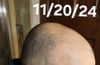
A user shared a 4-month progress picture using Minoxidil twice daily and dermarolling once a week for hairloss. They plan to start finasteride soon and have experienced dry scalp and itching from the treatment.
The user has been using finasteride for 1.5 years and minoxidil for almost 3 years for hairloss, and has seen some maintenance of hair but not significant regrowth. Suggestions from others include switching to dutasteride, trying oral minoxidil, and considering microneedling or hair fibers for better appearance.
A 42-year-old man is using topical finasteride, oral minoxidil, microneedling, ketoconazole shampoo, and various oils for hairloss treatment and is happy with the improvements after 5 months. He experienced mild side effects from finasteride, including temporary testicular pain and changes in libido, but no side effects from minoxidil.
A user's two-year progress using 1mg of oral finasteride daily and twice daily application of 5% minoxidil solution for hairloss. The user experienced temporary side effects but is pleased with the results, and another user warns about the importance of consistent use for maintaining results.
User quit minoxidil and finasteride, starting stemoxydine, dermastamp, and dermapen for hairloss. Seeks advice on alternatives, avoiding androgen disruptors and vasodilators/vasoconstrictors.
The conversation is about the delay in Breezula's phase 3 trials and skepticism regarding its effectiveness compared to other treatments like RU58841 and Pyrilutamide. Some users prefer safety over effectiveness, while others express frustration with the slow progress and doubt Breezula will be a significant treatment for hairloss.
The user started using finasteride, minoxidil, and biotin for male pattern baldness (MPB) and is experiencing rapid thinning. They are questioning if low blood flow to the head could be contributing to their hairloss.
The conversation discusses the use of RU58841, a non-FDA approved research chemical for hairloss, with mixed opinions on its safety and effectiveness. Some users are willing to try it as a last resort after other treatments like Minoxidil and Finasteride failed, while others express concerns about potential long-term side effects and lack of official research.
Male pattern baldness (MPB) may be an early warning sign for type 2 diabetes due to its association with insulin resistance. Treatments discussed include testosterone therapy and finasteride, which affects hormone levels related to hairloss and insulin sensitivity.
A user shared their experience obtaining a finasteride prescription through Lemonaid, highlighting the ease of the process without needing to provide photos. They chose oral finasteride for preventative hairloss treatment due to a family history of baldness and received a year’s supply at a low cost.
The user plans to use 1% Koshine826, 0.1% Alfatradiol, Minoxidil with Tretinoin, microneedling, and Stemoxydine for hairloss treatment. They expect significant recovery with this regimen.
A 23-year-old male experienced initial success with finasteride, topical minoxidil, and ketoconazole for hairloss, but persistent shedding and scalp issues led him to switch to dutasteride without improvement. Users suggest stress management, addressing potential seborrheic dermatitis, and patience with the treatment process.
A 26-year-old male has been using dutasteride for one year after previously using finasteride, along with 5% minoxidil and micro-needling, to treat hairloss. He reports no side effects and is satisfied with the progress, noting some shedding as part of the hair cycle.
The user is using 5 mg of oral minoxidil, 1.25 mg of finasteride, and a dermaroller for hairloss, and plans to reduce the minoxidil dosage after a year. They have not experienced side effects like facial bloating and are considering the safety of long-term use.
A user diagnosed with lymphoma is advised to stop finasteride during chemotherapy, with suggestions to consider treatments like Dutasteride and Minoxidil post-recovery. The focus is on prioritizing health over hairloss, with encouragement and advice from others who have experienced similar situations.
A 51-year-old woman switched from Minoxidil to Maneup, a copper peptide treatment, experiencing initial hairloss but later regrowth with different hair texture. Users debated Maneup's effectiveness, with some considering it alongside finasteride.
The user is using oral Minoxidil 2.5 mg, oral Finasteride 1 mg, and a 2mm derma roller for hairloss but feels discouraged by the lack of results after a month. They are seeking advice and considering additional methods like antiandrogens, exercise, and dietary changes.
The conversation discusses the challenges and experiences of using minoxidil, finasteride, and dutasteride for hairloss, focusing on the shedding phase and its impact on hair appearance. Users share their personal experiences, side effects, and hopes for improvement, with some considering or having undergone hair transplants.
Topical dutasteride, especially at higher concentrations, can be effective for hairloss when combined with microneedling to enhance absorption. Users discuss the side effects of finasteride and dutasteride, with some preferring topical treatments to avoid systemic side effects.
The conversation discusses the impact of finasteride on sexual function, with many users reporting reduced libido and weaker erections despite continuing the treatment to prevent hairloss. Some users suggest checking hormone levels or switching to different dosages or treatments like dutasteride, while others share mixed experiences regarding the severity of side effects.
A user has been taking finasteride (1mg daily) for 8 months and noticed positive results. They mentioned not worrying about hairloss since starting the treatment.
The conversation is about the debate over the existence of Post-Finasteride Syndrome (PFS) and its symptoms, with some users skeptical about PFS and others discussing side effects like erectile dysfunction and gynecomastia from hairloss treatments like finasteride. Specific treatments mentioned include finasteride, viagra, and a joke about using a popsicle stick for erectile support.
A user shared a tragic experience where their cat died after being exposed to Minoxidil, warning others of its toxicity to pets. Some users discussed switching to oral hairloss treatments, while others expressed condolences and shared their own concerns and experiences with topical treatments around pets.
The post and conversation are about the use of oral Minoxidil (Min), Finasteride (Fin), and RU58841 for hairloss treatment, with mixed opinions on their safety and effectiveness.
User shared 6-month progress using Fin, Min, Microneedling, Biotin, and Ketoconazole Shampoo for hairloss. They microneedle once a week, use 1.25 mg Fin daily, and apply topical Min twice a day.
A user experienced a significant drop in testosterone levels after taking finasteride, leading to side effects like low libido and muscle mass loss. Despite its effectiveness for hair, the user decided to stop finasteride due to its impact on hormones, preferring to be bald.
User "manlycoffee" shares 25-month progress using Dutasteride, RU58841, Minoxidil, Microneedling, Nizoral, T/GEL, and fixing vitamin D levels for hairloss. Users discuss sources, experiences, and side effects of treatments.
The user has been using oral minoxidil, dutasteride, RU58841, and other treatments for hairloss over nine months, seeing some improvement in hair thickness and crown volume but continued thinning at the hairline. They plan to continue treatment for another nine months despite being sensitive to DHT fluctuations and are considering increasing dosages or other options like a hair transplant.