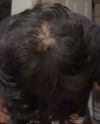
A 39-year-old woman noticed hair thinning and found she has an iron deficiency, which may be linked to hairloss. Suggestions included seeing a dermatologist, using spironolactone, and minoxidil.
A user's 3-month progress report on their treatment of hairloss using a stack of finasteride, dutasteride, and minoxidil, with additional supplements, diet and workout routine, and before-and-after photos.
The user experienced aggressive hairloss after three years on finasteride, despite previous success with the treatment and PRP sessions. They are considering trying dutasteride but are unsure about purchasing it online due to trust issues.
Vitamin D deficiency may contribute to hairloss, but correcting it alone doesn't guarantee regrowth. Users report mixed results with supplements and treatments like minoxidil, finasteride, and dutasteride.
PUFA foods like salmon and walnuts are healthy and do not accelerate hairloss. There is no evidence linking PUFAs to hairloss, and claims suggesting otherwise lack scientific support.
Woody from Toy Story 5 is humorously discussed as experiencing hairloss, with suggestions for treatments like minoxidil and finasteride. The conversation jokes about his hairline and references scenes from previous movies.
PP405 may induce new hair growth but cannot revive completely dead follicles, and its effectiveness on hairlines is uncertain. It is expected to be available by mid-2028, but users are advised to manage expectations and consider using other treatments like minoxidil and finasteride.
Stress can trigger hairloss, with treatments like minoxidil, finasteride, and dutasteride being used to manage it. Some users report improvement with medications like Lexapro, while others emphasize the impact of stress and life events on hair health.
A trans woman is experiencing hairloss and is considering treatments like cyproterone, dutasteride, and oral minoxidil. She is concerned about potential hair growth on her face, chest, or legs due to minoxidil.
Finasteride and dutasteride can prevent hairloss if used early, but they may cause side effects. Many men shave their heads because they are unaware of these treatments or avoid them due to side effects or cost.
A 16-year-old noticed hair thinning on the crown and sides of the head, with minimal temple thinning. After using Minoxidil for 6 months, some areas improved, but the crown worsened, and they seek advice on the irregular hairloss and treatment options.
The conversation is about a user experiencing accelerated hairloss after starting vitamin D3 supplements, suspecting a link between the supplement and increased DHT levels. The user decides to stop taking the supplements, preferring natural sources of vitamin D.
Nizoral is commonly used for hairloss and dandruff, but it can cause dryness; users often pair it with conditioners or alternative shampoos. Some also use finasteride, minoxidil, and red light therapy for hair care.
Switching from spironolactone to bicalutamide caused severe hair shedding, despite using treatments like dutasteride, minoxidil, and estradiol injections. The user is experiencing androgenetic alopecia and is seeking solutions to stop the hairloss.
A user experienced severe hairloss after taking testosterone, despite using treatments like Dutasteride, RU58841, and Minoxidil. The user regrets taking testosterone, as it seems to have permanently increased sensitivity to DHT, accelerating hairloss.
PP405 is a potential hairloss treatment undergoing trials, with discussions on its effectiveness and comparison to existing treatments like finasteride and minoxidil. There is skepticism about its status as a cure, with hopes for future advancements in genetic treatments like CRISPR.
The user experienced hairloss and used Minoxidil and Finasteride to improve hairline and density, but stopping Minoxidil led to a setback. They plan to continue both treatments daily to increase hair density and are considering applying Minoxidil to the entire scalp.
The user experienced hair regrowth and stopped hairloss using a natural DHT blocker and later finasteride, despite initial side effects. They plan to add topical minoxidil to address remaining thin spots.
The user shared progress on hairloss treatment using Nanoxidil, which initially caused scalp irritation. They are pleased with their progress since starting the treatment in March.
A 28-year-old is considering using topical 0.3% finasteride and 6% minoxidil spray to prevent further hairline recession. They are unsure if this treatment is too drastic for their current level of hairloss and seek advice on application methods.
A user noticed increased hairloss after taking B12 supplements for two months, with B12 levels rising to 1500. They are seeking help as other tests show normal levels of minerals and vitamins.
User is depressed about hairloss despite using topical minoxidil for 5 months and topical finasteride for 2 months, with no improvement. Others suggest trying oral finasteride, seeing a specialist for dandruff and oily scalp, and being patient.
High cholesterol may accelerate hairloss by reducing blood flow and increasing DHT levels. Treatments mentioned include Minoxidil, finasteride, and RU58841.
The user is experiencing aggressive hairloss since their teens and has tried finasteride, topical minoxidil, dutasteride, and oral minoxidil without success in halting the hairloss. They are seeking advice on how to stop it.
The conversation is about hairloss treatments, specifically mentioning avodart (dutasteride) and finasteride. There is speculation about whether Ashton Kutcher is still using these treatments or if he uses hair systems for his roles in movies.
Accepting hairloss, and the use of medications such as finasteride, minoxidil, and microneedling to treat it. The responses provide advice and personal experiences related to coping with hairloss.
Female experiencing hairloss for 10 years used 50mg Spironolactone and 5% minoxidil with decent results. Recently had massive shedding, but blood tests were fine and still taking original medications.
Bicalutamide is discussed as a treatment for hairloss, particularly in females, with some users cautioning against its use due to potential side effects. The conversation also mentions using finasteride and other anti-androgens, with some users recommending more traditional treatments like dutasteride.
The user experienced significant hairloss after extended fasting, initially thought to be Telogen Effluvium, but later suspected male pattern baldness. They tried finasteride briefly but stopped due to concerns about side effects, and are unsure if the hairloss is due to Telogen Effluvium or another cause.