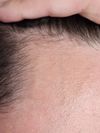
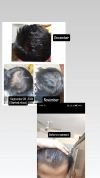
Creatine may cause hairloss in some individuals, especially those on finasteride, despite no scientific link. Personal experiences suggest individual sensitivity to DHT could be a factor.
The user started a hairloss treatment in March 2025 using finasteride, minoxidil, omega-3, biotin, a DHT-blocking multivitamin, and a derma roller, and is satisfied with the progress after four months. The community is impressed with the results, noting significant hair regrowth and improvement.
A 24-year-old male started using 1 mg finasteride and topical minoxidil for hairloss in February 2025. By June 2025, he noticed improvement in his right temple but experienced thinning at the crown and continued shedding.
Creatine may accelerate hairloss in those genetically predisposed, with some users reporting increased shedding while taking it and improvement after stopping. Some users use treatments like finasteride and minoxidil, while opinions on creatine's impact vary.
Lichen Planopilaris (LPP) is an autoimmune condition causing permanent hairloss and fibrosis, often misdiagnosed. Treatments include pioglitazone, topical corticosteroids, anti-inflammatory medication, and Jak inhibitors.
GT20029, a new hairloss treatment, shows promising results but only a slight improvement over placebo. People are cautiously optimistic, discussing its potential and combining it with existing treatments like Minoxidil and Finasteride.
A user shared their successful hairloss journey using finasteride for five years and minoxidil for two years, which stabilized and improved their hair condition. They experienced some shedding with minoxidil but found the routine manageable and are open to future treatments like dutasteride if needed.
The conversation is about seeking recommendations for clinics in Los Angeles that offer dutasteride mesotherapy for hairloss treatment. The user is asking for experiences and suggestions from the community.
The user tried various hairloss treatments including minoxidil, finasteride, hormone therapy, dutasteride, microneedling, and natural oils. They plan to continue their regimen and may consider surgical options if results are unsatisfactory.
The conversation discusses FUE hair transplant surgery, including questions about donor area recovery, success rates, precautions, hair growth rate, and the safety of PRP injections. It also inquires about using hairpieces post-surgery.
Minoxidil (Lipogaine) and Ketoconazole shampoo (Regenepure) are recommended for hairloss treatment, while finasteride is considered risky due to potential side effects. Biotin is not advised due to possible health risks, and the user emphasizes the emotional impact of hairloss and the hope for a future cure.
User "tresslessatbest" shares her experience with androgenic hairloss and treatments. She found success using men's Rogaine 5%, spironolactone, dermaroller, biotin, blackcurrant seed oil, prenatal vitamins, and Nizoral shampoo.
DHT causes hairloss by driving cells into senescence, and a polyphenol in black chokeberry may reverse this. A product using this theory is being considered for use alongside finasteride, minoxidil, and microneedling.
Potential treatments for hairloss, including Minoxidil, finasteride, RU58841 and various upcoming pharmaceuticals, gene editing and cloning. It is suggested that a cure, if found, would be highly profitable due to the large number of people affected by hairloss globally.
PUFA foods like salmon and walnuts are healthy and do not accelerate hairloss. There is no evidence linking PUFAs to hairloss, and claims suggesting otherwise lack scientific support.
Finasteride and minoxidil are commonly used for hairloss, with RU58841 and microneedling also showing effectiveness. Oral minoxidil and dutasteride are noted for their impact, while side effects and alternative treatments like ketoconazole and natural DHT blockers are discussed.
The user is experiencing asymmetrical hairloss at the frontal hairline and is concerned about potential conditions like frontal fibrosing alopecia. They have started using finasteride and pumpkin seed oil to address the issue.
The conversation discusses alternative and unorthodox hairloss treatments, including RU58841, nandrolone, and dianabol, as well as theoretical approaches involving high doses of estrogen and selective estrogen receptor modulators. These methods are considered extreme and potentially harmful but are explored for those unable to tolerate traditional 5-alpha reductase inhibitors.
A 19-year-old experienced significant hairloss, improved with minoxidil, and is considering adding finasteride to his routine. He is concerned about future hairloss and potential side effects of finasteride.
A trans woman is experiencing hairloss and is considering treatments like cyproterone, dutasteride, and oral minoxidil. She is concerned about potential hair growth on her face, chest, or legs due to minoxidil.
Pumpkin seed oil is a weak natural DHT inhibitor and not effective for significant hairloss. Effective treatments include finasteride, minoxidil, and other medications.
A user is developing an AI-powered app for hairloss that includes features like hairloss stage detection and hairline tracking. They seek feedback to ensure the app is useful and emphasize privacy and affordability.
A non-binary individual experienced hairloss after stopping hormone replacement therapy and is using oral Dutasteride, oral Minoxidil, and ketoconazole shampoo. They are hopeful for regrowth but may use wigs due to the high cost and uncertain effectiveness of additional treatments like mesotherapy and PRP.
A 22-year-old experiencing hairloss, initially attributed to stress, found temporary relief with minoxidil but faced increased shedding after stopping and restarting the treatment. The advice given suggests the hairloss may be due to androgenic alopecia rather than stress, recommending consistent use of minoxidil and considering finasteride, with a suggestion to seek a second opinion from another dermatologist.
The conversation discusses a hairloss protocol and compares it to using finasteride and minoxidil. It suggests that while the protocol includes some good advice, it may not surpass the effectiveness of established treatments like finasteride and minoxidil.
A user is concerned about hairloss from creatine and asks for precautions, mentioning treatments like Minoxidil, finasteride, and ketoconazole shampoo. Replies vary, with some users sharing personal experiences and others dismissing the concern.
Peptides like TB500, KPV, GHK-CU, and BPC-157 are overhyped for hair growth with limited proven effectiveness in humans. Combining peptides with delivery methods like iontophoresis and sonophoresis shows promise, but many claims remain unproven.
The conversation discusses the potential connection between baldness, heart disease, and high blood pressure. Treatments mentioned include Minoxidil, Spironolactone, and Finasteride.