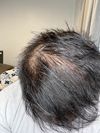
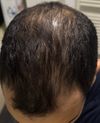
Hairloss was triggered by a testosterone and Masteron cycle, causing scalp tension and shedding. Topical finasteride, RU58841, and oral minoxidil were used to stop shedding and improve scalp condition.
Rapid weight loss may have triggered increased hair shedding. Continuing with finasteride, microneedling, a healthy diet, and supplements like MSM and vitamin B is advised, but results may take 6-12 months.
Hairloss is often linked to inflammation and DHT, with treatments like finasteride, dutasteride, and minoxidil being effective for many. Natural remedies like turmeric and oils are discussed, but medications are generally seen as more reliable for managing genetic hairloss.
The user experienced significant hair shedding after using a dermapen at 1.5mm weekly, which they later realized was too much. They are now using a dermapen at 0.75mm weekly and are also using topical minoxidil twice daily and finasteride 1.25mg daily.
COVID and COVID vaccination can trigger hairloss, primarily telogen effluvium, due to stress and immune system activation. Proper diagnosis and addressing factors like nutrition and stress are crucial for recovery.
Topical roflumilast is effective for reducing inflammation in various scalp conditions like seborrheic dermatitis, psoriasis, and eczema, but not proven to stop scarring alopecia. Alternatives like apremilast and Vtama are also discussed for their anti-inflammatory benefits.
The conversation is about a hairloss treatment plan involving finasteride, minoxidil, microneedling, GHK-CU injections, Nizoral shampoo, and RU58841. The user is advised to start with a simpler regimen to minimize side effects and assess effectiveness before adding more treatments.
A 33-year-old experienced significant hairloss after a depressive episode and taking paroxetine, possibly due to telogen effluvium or androgenic alopecia. Suggestions included reducing alcohol, considering finasteride and minoxidil, and consulting a doctor about antidepressant side effects.
The user shared their hairloss journey, using Minoxidil 2%, Serenoa repens, topical finasteride, a topical antiandrogen, Vitamin D, and lifestyle changes, noting improvements but still seeking more density. They are considering switching to Minoxidil 5% but prefer focusing on finasteride and antiandrogen for better results.
People shared their experiences with coffee consumption and hairloss, with mixed results. Some noticed more hairloss with increased caffeine, while others saw no effect or even hair regrowth, often using treatments like finasteride and minoxidil.
A 26-year-old male is using oral minoxidil and finasteride to treat hairloss, experiencing prolonged shedding despite 6 months of treatment. Others share similar experiences, suggesting persistence with the treatment may eventually lead to improvement.
Hairloss is linked to scalp fibrosis and tension, which result from chronic mechanical stress and androgenic signaling. Treatments include blocking androgens with finasteride, promoting hair growth with topical minoxidil, and improving scalp mobility through exercises.
South Korea's president is advocating for hereditary hairloss to be covered by national health insurance due to its impact on mental health and daily functioning. The discussion highlights the societal pressure in South Korea regarding appearance and the potential benefits of treating hairloss to improve mental health.
Hairloss impacts mental health and should be covered by healthcare, with treatments like finasteride, dutasteride, and minoxidil being affordable and effective. Some argue hairloss is cosmetic and shouldn't be funded, while others highlight its broader health implications.
A user is considering starting treatments like Finasteride, Minoxidil, and Microneedling for hair thinning, despite stable hairloss for over 8 years. They are unsure if the presence of miniaturized hairs indicates potential for regrowth or if they should accept the current state.
Hair growth success may be linked to addressing scalp fungi issues, with treatments like minoxidil, finasteride, and dutasteride being important. DHT may contribute to scalp microbial issues, potentially causing inflammation and hairloss.
Hairloss is linked to DHT, with treatments like finasteride and minoxidil being common but not definitive. Economic interests influence research, and there is potential for new treatments like PP405 and RU58841.
Hairloss greatly affects mental health and social life for young men. Treatments like finasteride, minoxidil, and hair transplants are common, with mixed success and ongoing self-esteem challenges.
The user shared their hairloss journey, using finasteride, dutasteride, and minoxidil, noting progress and some side effects like minor gynecomastia. They plan to switch fully to dutasteride while continuing minoxidil, and they experienced shedding primarily from finasteride.
Hairloss may be linked to blood flow issues, but DHT is considered the main cause. Treatments used include finasteride, RU58841, minoxidil, vitamin D3, microneedling, and dutasteride, but hairloss persists.
The user is experiencing hairloss and is using topical finasteride, rosemary oil, caffeine, microneedling, low-level laser therapy, scalp massages, ketoconazole shampoo, and various vitamins and supplements. They are concerned about potential gynecomastia and are considering using minoxidil if current treatments do not stop hairloss or promote regrowth.
Switching from Arimidex to Raloxifene worsened hairloss despite using Dutasteride. The user added oral Minoxidil, dermastamping, and RU58841 to their regimen to address the issue.
Hairloss due to vitamin B12 deficiency is discussed, with some users suggesting supplements and dietary changes, while others recommend medications like finasteride or dutasteride. The conversation highlights differing opinions on the cause of hairloss, with some attributing it to genetics or male pattern baldness.
The user experienced hairloss from overwashing and frequent product changes, seeking alternatives to Minoxidil due to having pets. Suggestions included using oral Minoxidil, ketoconazole shampoo, and maintaining a consistent hair care routine with gentle, sulfate-free products.
Hairloss possibly caused by a fungal infection might be treated with antifungal shampoos or oral medications. If not fungal, treatments like minoxidil or finasteride may be necessary.
Hairloss can significantly impact confidence and mental health, but there are various treatments like finasteride, minoxidil, dutasteride, hair systems, and lifestyle changes that may help. It's important to maintain hope and focus on what can be controlled, as different solutions work for different people.
The conversation discusses hairloss treatments, specifically using rosemary oil and biotin hair oil. Users suggest that medication might be more effective than these oils.
Hairloss has slowed, but uneven growth and kinking persist despite using keto/nizoral shampoo and clotrimazole. Stress and anxiety might be contributing factors.
Hairloss negatively affects mental health, causing anxiety and depression. Minoxidil and finasteride are discussed as treatments, but side effects and mental health concerns remain.
Hairloss matters, but focusing on self-improvement like working out, using treatments like minoxidil and finasteride, and building confidence can help. People often suggest extreme solutions like becoming a millionaire or bodybuilder, but practical steps are more beneficial.