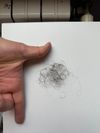
Oral minoxidil can cause severe side effects, including heart issues, even at low doses. Users suggest starting with a lower dose or using topical treatments to minimize risks.
Younger generations now view receding hairlines as baldness, increasing the use of treatments like minoxidil and finasteride. Social media and changing beauty standards have intensified focus on hairlines, altering perceptions of baldness.
Balding can be traumatic for many, affecting self-esteem and social interactions, while others accept it more easily. Treatments mentioned include finasteride, minoxidil, and RU58841.
A dermatologist stated that minoxidil does not cause skin aging, despite online claims. A study found no significant impact of minoxidil on collagen content or skin aging.
A user shared their 6-month progress on finasteride but stopped due to financial issues, seeking advice on whether to continue. Replies strongly advised resuming finasteride to maintain progress, with suggestions for affordable options.
Finasteride is preferred over dutasteride due to its longer history, more research, and FDA approval, despite dutasteride being more potent. Users report varied side effects, influencing personal treatment choices.
Dutasteride is shown to be significantly more effective than finasteride for treating male androgenic alopecia. Users discuss the difficulty of obtaining dutasteride in some countries and share personal experiences with its effectiveness and side effects.
A user who has been taking finasteride, minoxidil, and microneedling for one year with no results, and the replies discuss other treatments, including dutasteride, which is feared due to potential side effects.
A 23-year-old man started using Minoxidil for hair thinning and experienced improvement, which helped him gain the confidence to ask a girl out, resulting in a date. Other users congratulated him and discussed the importance of hair appearance in dating, with some suggesting other treatments like finasteride or hair transplants.
A 5-year-old male considering using finasteride to prevent receding hairline, with suggestions ranging from topical minoxidil and estrogen treatments to hair transplantation and shaving.
The user is frustrated with no hair growth despite using Finasteride, Minoxidil, Ketoconazole, derma rolling, head massages, Biotin, collagen supplements, multivitamins, and drinking a gallon of water daily. Another user mentioned that the original poster had previously reported significant progress.
The user is unhappy with their hair transplant results, feeling the hairline looks unnatural, but most commenters reassure them it looks good and natural. Some suggest styling changes or focusing on hair care routines.
The conclusion of this conversation is that the user experienced hair regrowth and increased overall hair thickness after using dutasteride and derma pen treatments for 5 years. They did not experience any side effects.
A 30-year-old female with PCOS and male pattern baldness is frustrated with her endocrinologist's recommendation of only Spironolactone and minoxidil, feeling that dutasteride, finasteride, and progesterone would be more effective. Other users suggest various online sources for treatments, warn against self-medicating due to potential risks, and recommend seeking a specialized endocrinologist or considering additional treatments like Inositol, Berberine, and dermaneedling.
A user experienced significant hair regrowth and stopped hairloss after taking 0.5mg of dutasteride daily for a month, without using minoxidil. They reported no side effects and were pleased with the results.
A 25-year-old is struggling with hairloss despite using treatments like oral Minoxidil, oral and topical Finasteride, Dutasteride, and PRP sessions. They feel frustrated with inconsistent treatment strategies and are seeking advice on managing thin hair and regaining confidence.
A user reported that after experiencing hair thinning, they started using finasteride in 2024 and later began GHK-Cu peptide injections in March 2026, which they believe stopped their hairloss and made their hair feel thicker. The user shared their experience despite receiving criticism for not solely endorsing finasteride.
The user has been using oral minoxidil for 4 years and durum wheat 3 days a week for 7 months, but is experiencing increased hairloss when washing hair. They suspect it might be due to decreased DHT levels and are seeking similar experiences from others.
Hairloss significantly impacts self-perception and attractiveness, with treatments like finasteride, minoxidil, and hair transplants suggested. The conversation highlights the emotional struggle and societal perceptions tied to hairloss.
A 20-year-old is experiencing hairloss and is using finasteride, ketoconazole, and topical minoxidil. They suspect retrograde alopecia due to hairloss on the sides and nape, despite noticing some hair thickening on top.
Hairloss treatments include topical and oral minoxidil, low-level laser light therapy, and peptide serums. Bryan Johnson avoids finasteride and dutasteride due to potential side effects, focusing instead on his own protocol with these treatments.
Hairloss treatments like Breezula and PP405 are delayed, with approvals taking years, while existing treatments like minoxidil and finasteride remain popular. New treatments like Clascoterone and Veradermics are in trials, but high costs and lengthy approval processes slow their release.
Hairloss treatments like Minoxidil, finasteride, and potential mRNA therapies are discussed. There is skepticism about targeting specific genes due to the complex genetic nature of hairloss.
Hairloss treatments are being tested on mice, with methods like minoxidil and stem cell therapy showing promising results. However, human trials are still years away, leading to humorous frustration about mice benefiting first.
Hairloss changes are typically noticed over months or years, not days, and treatments like finasteride, dutasteride, and minoxidil require time to show effects. People often overreact to daily shedding, but realistic expectations and patience are necessary for hair regrowth treatments.
Hairloss may be linked to the TRPS1 gene and protein, not just DHT. Amplifica's AMP-303 targets mesenchymal stem cells and shows promise in treating hairloss, unlike Pelage's PP405.
Hairloss returned after 8 months of using a treatment with .3% Dutasteride and 8% Minoxidil. The user suspects a marketing strategy as the company offers a more expensive product with additional ingredients like biotin and finasteride.
Hairloss involves more than just DHT, with genetic factors like TRPS affecting hair follicles. Treatments such as Amplifica's AMP-601 and AMP-303 target stem cells for potential hair growth solutions.
Hairloss has slowed or stopped after 5 months of daily oral minoxidil and finasteride treatment, with ketoconazole shampoo used twice a week. Noticeable thickening is observed, especially on the mid scalp.