Hairloss and the importance of not letting it affect one's self-worth. The conversation includes advice on treatments such as taking medication, like Minoxidil and Finasteride, and other methods to manage hairloss, such as buzzing your head or seeking professional help.
A 19-year-old male suspects his hairloss is due to vitamin D deficiency and stress rather than genetics. Recommendations include taking finasteride, minoxidil, vitamin D, exercising, reducing stress, and consulting a doctor if needed.
A woman experiencing hairloss, exacerbated by wearing a hijab, is seeking advice for her upcoming wedding. She has tried various treatments, including minoxidil, finasteride, and stem cell therapy, and is considering using hair fibers and extensions to cover her scalp.
The conversation discusses the complexity of hairloss causes, suggesting that DHT sensitivity alone doesn't fully explain it. Treatments mentioned include finasteride and dutasteride.
Hairloss discussion includes broccoli sprouts treatment, Fluridil 7%, and sulforaphane, with mixed results. Finasteride, minoxidil, and RU58841 are preferred by some users.
Hairloss is often misunderstood by those not affected, leading to frustration for those who research treatments like Minoxidil, finasteride, and hair transplants. Many people offer well-meaning but uninformed advice, while those knowledgeable about hairloss focus on proven treatments.
Hairloss discussion includes delay in others noticing balding, using hair fibers for peace of mind, and taking before and after photos. Finasteride and Minoxidil are mentioned as treatments.
The user uses finasteride, minoxidil, Nizoral, and dermarolling along with various supplements, oils, and shampoos to combat hairloss. They adjusted their routine based on feedback, changing dermarolling to once a week and reducing zinc intake due to side effects.
Hairloss treatments, including minoxidil, dermarolling, finasteride, dutasteride, hair transplants, hair systems, and shaving the head. The conversation covers various opinions on these treatments and mentions possible side effects as well as alternatives like wigs, vitamins, and lifestyle changes. The post expresses disappointment that there has been no major breakthrough in the field of hairloss treatments despite decades of research.
A 23-year-old is experiencing hairloss, primarily at the top middle of the head, and is considering finasteride but is hesitant due to potential side effects. Other users share their positive experiences with finasteride, suggesting it is worth trying, while also discussing the importance of researching and monitoring for any side effects.
Hairloss treatments, specifically the use of Alfatradiol as an over-the-counter topical 5AR inhibitor that has been shown to be effective in stopping hairloss without side effects. Other treatments discussed include Minoxidil, finasteride and RU58841.
A 23-year-old experiencing hairloss tried olive oil, coconut oil, and hair growth shampoos without success. They are seeking advice on whether to start treatments like Minoxidil, finasteride, or RU58841.
A 24-year-old male is considering the "Big 4" treatments (Finasteride, Minoxidil, Ketoconazole shampoo, and Microneedling) or a hair transplant for hairloss. Most users recommend starting with Finasteride and Minoxidil to stabilize hairloss before considering a transplant.
Finasteride and Minoxidil effectively regrow hair but cause sexual side effects. The user is considering a Korean FUE hair transplant and is researching clinics and costs.
A 32-year-old male noticed accelerated hairloss after turning 30 and has been using minoxidil and finasteride with breaks, but stopped finasteride due to concerns about side effects. He is considering alternatives like topical treatments, ketoconazole shampoo, and possibly a future hair transplant.
A 20-year-old with no signs of hairloss is considering finasteride or dutasteride due to family history of baldness. Advice given is to monitor hair and start treatment only if thinning occurs.
A 28-year-old is experiencing worsening hairloss despite using finasteride, minoxidil, microneedling, Nizoral, Selsun Blue, and supplements. Suggestions include trying Dutasteride or considering a hair transplant if no improvement is seen by the two-year mark.
A 32-year-old male experienced severe hairloss after stopping Rogaine and is considering restarting it along with topical Finasteride and Ketoconazole shampoo due to concerns about oral Finasteride causing gynecomastia. Users suggest that stopping Minoxidil can lead to significant hairloss and recommend Finasteride for better results.
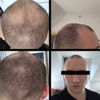
The user is concerned about worsening hairloss after 9 months on 1.25 mg finasteride, with suggestions to add minoxidil and consider dutasteride. Some users report decreased shedding with different treatments, while others note possible issues with photo comparisons.
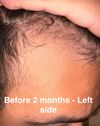
The user is using Minoxidil, Finasteride, a dermaroller, vitamin D, and anti-hairloss shampoo for hairloss treatment. They are seeking feedback on whether there is improvement after two months and if noticeable results can be expected within six months.
The user is using Minoxidil, Finasteride, a dermaroller, vitamin D, and anti-hairloss shampoo for hairloss treatment. There is some vellus regrowth, and shedding may indicate future terminal hair growth.
Finasteride can increase body and facial hair growth due to increased testosterone, despite its intended use to reduce hairloss on the scalp. Some users consider trying topical finasteride for less systemic impact, while others report mixed results and side effects.
The user is concerned about hairloss and is considering treatments like finasteride and minoxidil but is unsure about their effectiveness and side effects. They have experienced mixed reactions to shaving their head and are struggling with confidence due to balding.