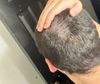
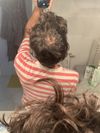
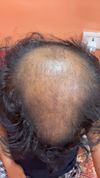
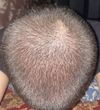
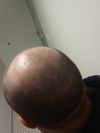
A 17-year-old is concerned about hairloss and is considering treatments like Minoxidil, finasteride, and RU58841. They feel uncertain about whether to start treatment.
A user is developing an AI-powered app for hairloss that includes features like hairloss stage detection and hairline tracking. They seek feedback to ensure the app is useful and emphasize privacy and affordability.
A 33-year-old male is experiencing hairloss on the crown and is considering treatments like Minoxidil 2% or 5%, Minoxidil foam, Finasteride, or a hair transplant. He previously used Minoxidil 2% for his hairline but found it annoying to apply.
A 23-year-old male experiencing severe hairloss stopped treatments for a year and is considering a hair transplant. Suggested treatments include Minoxidil, finasteride, and RU58841.
The conversation provides advice on hairloss treatments, emphasizing the importance of following instructions for Minoxidil and Finasteride use, considering micro-needling to enhance treatment effectiveness, and incorporating hair oils, vitamins, and appropriate shampoos. The user shares their personal regimen, which includes oral Finasteride, topical Minoxidil, rosemary oil, micro-needling, supplements, and specialized hair care products, and stresses the necessity of consistency for successful results.
Minoxidil is used for hairloss and sometimes for high blood pressure, but it's outdated for the latter. For high blood pressure, it's combined with a beta blocker and diuretic to manage side effects.
User considers trying RU58841 for hairloss and asks for advice on its effectiveness and application. Responses vary, with some reporting positive results and others warning about potential risks or lack of change.
Pyrilutamide is considered to work for hairloss but less effectively than expected, similar to RU58841, and may cause side effects like chest tightness and sexual issues. It's unclear if it's suitable for diffuse thinners, and one user cannot use minoxidil or finasteride due to side effects and personal circumstances.
The user is using testosterone and finasteride to prevent hairloss and is considering adding Primobolan or Masteron, which are DHT-derivatives. They are seeking advice on their genetic risk for male pattern baldness and whether they can safely use these compounds without significant hairloss.
The user discusses using Minoxidil and plans to start Finasteride for genetic hairloss. They also mention natural remedies like gold shilajit, moringa powder, a seed mixture, and cardio exercise, emphasizing that while these can help, Minoxidil and Finasteride are necessary.
The user has been losing hair since age 12 and is now starting treatment with 0.5 mg dutasteride and 2.5 mg minoxidil at age 29. They have also experienced dandruff and have a thinning crown.
An 18-year-old noticed hair thinning at 17, started finasteride 5 months ago, and saw shedding stop but no regrowth. They suspect male pattern baldness due to family history and are concerned about thinning on the back and sides, possibly due to inflammation.
People discussed hairloss treatments, including finasteride, minoxidil, and microneedling, with varying results and concerns about genetics and hormone levels. Some users shared personal experiences with medication dosages and side effects, while others mentioned the impact of stress on hairloss.
A 27-year-old male experienced limited success with Dutasteride and topical Minoxidil for hairloss and eyebrow thinning, with side effects like decreased libido and erectile dysfunction. He is considering oral Minoxidil but is concerned about side effects, and is advised to try ketoconazole for possible dermatitis and monitor vitamin D levels.
The user is considering using 0.5mg Dutasteride and 2.5mg Minoxidil for hairloss reversal. Another user advises consulting a doctor and getting bloodwork and a trichoscopy before starting the treatment.
The user has been using finasteride for two years to stabilize hairloss and is considering adding oral minoxidil for volume. They are also contemplating switching to dutasteride and possibly getting a hair transplant for better results.
A 24-year-old from Istanbul has experienced hairloss for 3-4 years, used minoxidil without results, and recently started topical finasteride. Hair shedding has increased in the last 6 months, and they are seeking advice on what to expect.
A 23-year-old male is experiencing large dandruff flakes causing hairloss, despite using anti-dandruff shampoo. He seeks advice on resolving the issue, noting a family history of baldness.
The user stopped taking Finasteride after 8 years to try for kids but noticed hairloss and reduced anxiety. They are considering resuming Finasteride to prevent further hairloss.
A user is considering starting finasteride at a lower dose to prevent hairloss but is concerned about potential side effects. They seek advice on whether others have had positive experiences with minimal side effects.
A 16-year-old is considering using 5% topical minoxidil for hairloss at the temples and crown but is concerned about potential issues from not using finasteride due to age restrictions. They plan to start minoxidil now and consider adding finasteride at 18 if available.
A 23-year-old trans male is concerned about hairloss and is considering treatments like topical and oral minoxidil and finasteride. They are worried about the effects on their pet and hormone balance and are seeking affordable options within their existing medical team.
Topical minoxidil with finasteride can help focus treatment on the scalp, with shedding being normal initially. Foam minoxidil is easier to apply, PRP's effectiveness varies, and anti-dandruff shampoos like ketoconazole are beneficial for scalp health.
The user is considering whether to consult a hairloss specialist after letting their hair grow for two weeks, having previously shaved their head since age 26. They are contemplating continuing to shave if consulting a specialist seems unnecessary.
Genetic variations influence how people respond to dutasteride for hairloss, with some benefiting more from finasteride. Dutasteride is effective for most, but genetic differences may cause it to be less effective for some.
The conversation discusses various hairloss treatments, including Minoxidil, Dutasteride, Finasteride, and Tretinoin, with users sharing personal experiences and side effects. It reflects on generational attitudes towards hairloss and the emotional impact of hairloss remedies.
A user experienced hairloss improvement by quitting caffeine, reducing sugar intake, and improving overall health, while also using rosemary oil conditioner. They previously tried minoxidil, finasteride, and dermarolling, but stopped due to side effects and heart palpitations.