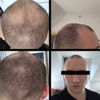
User considers trying AAPE for hair restoration, costing $700 for 6 months. Others discuss its potential effectiveness and mention a study with promising results.
User pancake9001 experienced minimal hair growth with Minoxidil for 3 years, but noticed dramatic hairloss after stopping. Replies suggest not stopping Minoxidil and considering adding an anti-androgen for better results.
Exosomes are discussed as a new hairloss treatment, but skepticism is expressed about their effectiveness. Other treatments mentioned include Minoxidil, finasteride, and RU58841.
User "tresslessatbest" shares her experience with androgenic hairloss and treatments. She found success using men's Rogaine 5%, spironolactone, dermaroller, biotin, blackcurrant seed oil, prenatal vitamins, and Nizoral shampoo.
A person started using Minoxidil at 34 and had a hair transplant at 38, avoiding a straight hairline for a natural look and had 2200 grafts. They began taking Finasteride as a precaution, but Minoxidil did most of the work.
A 22-year-old man shared his experience with hairloss, which began at age 20, and his treatment with finasteride and oral minoxidil, planning to add microneedling. Since experiencing hairloss, he has changed his perspective and now notices other men's hairloss more, viewing them positively, and others in the conversation relate to this shift in perception.
A user experiencing excessive hair shedding and a receding hairline is questioning if low vitamin D levels could be the cause, despite levels being within the normal range. Replies suggest that while vitamin D deficiency can cause hairloss, it might not be the issue in this case.
Poor gut health may contribute to hairloss and scalp inflammation, with treatments like finasteride, minoxidil, and Nizoral being used. Improving gut health and addressing inflammation might help alleviate symptoms.
The user is concerned about hairloss and is considering treatments like finasteride and minoxidil but is unsure about their effectiveness and side effects. They have experienced mixed reactions to shaving their head and are struggling with confidence due to balding.
The conversation discusses alternative and unorthodox hairloss treatments, including RU58841, nandrolone, and dianabol, as well as theoretical approaches involving high doses of estrogen and selective estrogen receptor modulators. These methods are considered extreme and potentially harmful but are explored for those unable to tolerate traditional 5-alpha reductase inhibitors.
Parasites in the gut may contribute to hairloss by depleting essential nutrients and disrupting hormone balance. An imbalance of hormones, not just DHT, could be a factor in androgenic alopecia.
A 20-year-old female with PCOS is experiencing hairloss and excessive facial hair. She is using ketoconazole and caffeine shampoos, microneedling, and considering anti-androgens like finasteride, but is cautious about minoxidil due to facial hair concerns.
Pumpkin seed oil is a weak natural DHT inhibitor and not effective for significant hairloss. Effective treatments include finasteride, minoxidil, and other medications.
A 48-year-old male is seeking advice on hairloss treatments, having tried Rogaine, Dutasteride, and Finasteride, and is concerned about a Spironolactone prescription. He is advised to continue with Finasteride, consider combo pills for convenience, and re-evaluate the Spironolactone prescription as it is typically not for men.
A 31-year-old woman is using Dutasteride (0.5mg daily) and supplements like a multivitamin, Herbadal, pumpkin seed oil, and vitamin D for genetic hairloss, noticing thicker hair but no new growth after one month. She is considering adding minoxidil and is aware of Dutasteride's risks, especially regarding pregnancy.
Blocking DHT is not a complete solution for hairloss; instead, altering the scalp's response to DHT may be more effective. Topical finasteride and minoxidil are current treatments, but future approaches may involve bioengineering, gene therapy, and inflammation control.
A non-binary individual experienced hairloss after stopping hormone replacement therapy and is using oral Dutasteride, oral Minoxidil, and ketoconazole shampoo. They are hopeful for regrowth but may use wigs due to the high cost and uncertain effectiveness of additional treatments like mesotherapy and PRP.
The user experienced hairloss despite using Fin and Min for 12 years and switched to Dutasteride, RU58841, and Keto scalp serum, but shedding and itch persist. They are considering increasing Dutasteride to 2.5mg and questioning the necessity of a scalp biopsy, with mixed opinions on its usefulness.
A user stopped hairloss after taking finasteride daily for four years, with minimal regrowth and no side effects. They believe stress initially caused their hairloss.
A 28-year-old is considering using topical 0.3% finasteride and 6% minoxidil spray to prevent further hairline recession. They are unsure if this treatment is too drastic for their current level of hairloss and seek advice on application methods.
A user is asking women with androgenic alopecia about the effective dose of spironolactone for hair regrowth, mentioning they've been on 100 mg for a year with minimal results and considering increasing the dose. The conversation focuses on the effectiveness of spironolactone for hairloss treatment.
High prolactin levels can cause hairloss, and finasteride may increase prolactin. Cabergoline or Vitamin B6 might lower prolactin, but combining them with finasteride requires caution.
Social media spreads misinformation about hairloss, often promoting unproven treatments like diet changes. Effective treatments like Minoxidil, finasteride, and RU58841 are overlooked.
The conversation discusses a hairloss flowchart for beginners, with mixed opinions on its effectiveness. Treatments mentioned include minoxidil, finasteride, dutasteride, microneedling, and vitamins.
The conversation revolves around the psychological impact of hairloss and various treatments. Participants discuss using Minoxidil (Min) and Finasteride (Fin), hair transplants, and therapy for mental health. Some also recommend immediate action at the first signs of hairloss and joining supportive communities.
User asks if Ashwagandha causes hairloss while using Finasteride and Minoxidil. Replies suggest Ashwagandha may increase shedding, but raising testosterone within normal levels likely won't significantly affect hairloss.
The conversation is about using inositol for hairloss, particularly its potential benefits for men, given its success in women with PCOS. The discussion includes treatments like Minoxidil, finasteride, and RU58841.
Creatine does not directly cause hairloss but may increase DHT levels, potentially worsening hairloss in those predisposed to male pattern baldness. Users have mixed experiences, with some reporting increased shedding and others seeing no effect.
The conversation discusses the potential connection between baldness, heart disease, and high blood pressure. Treatments mentioned include Minoxidil, Spironolactone, and Finasteride.