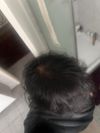
The user is experiencing hair thinning at the crown and midscalp and is seeking advice. They are considering treatments like Minoxidil, finasteride, and RU58841.
PP405 is discussed as a potential treatment for hairloss, with excitement about its promise but skepticism about its current effectiveness. Users mention combining it with treatments like minoxidil, finasteride, and microneedling, but emphasize it is not a cure.
A 20-year-old is experiencing hair thinning and is considering Clascoterone and Minoxidil as treatments, avoiding finasteride due to concerns about fertility and hormones. A suggestion was made to use Clascoterone for local DHT targeting and combine it with Minoxidil for maintenance and regrowth while avoiding systemic side effects.
The conversation is about using dutasteride 0.5mg, minoxidil 5%, and RU58841 for hairloss treatment. Users discuss dosage, potential side effects, and experiences with these treatments.
A 17-year-old is using topical minoxidil for hairloss and is considering other treatments like ketoconazole shampoo and saw palmetto while waiting to start finasteride at 19. Suggestions include using oral minoxidil, topical antiandrogens like RU58841, and CB-03-01, with a focus on minimizing systemic DHT impact.
Winlevi is being considered for hairloss by someone who wants to avoid systemic hormonal changes. Minoxidil, finasteride, and RU58841 are also mentioned as treatments.
Topical pirfenidone is highlighted as an effective anti-inflammatory and anti-fibrotic treatment for hairloss, particularly in addressing perifollicular fibrosis, which may enhance the effectiveness of standard treatments like finasteride and minoxidil. The user also uses calcipotriol, MCT oil, ciclopirox shampoo, and benzoyl peroxide shampoo as part of their regimen.
The user is considering a hair transplant but has started using finasteride and minoxidil, noticing initial improvements. They are unsure about the dosage and seek advice, while others suggest understanding treatments before opting for surgery.
The conversation is about a hairloss treatment regimen including finasteride, oral minoxidil, Stemoxydine, a multi-peptide serum, and ketoconazole. A suggestion was made to add dermastamping and tretinoin.
The conversation discusses whether adding latanoprost to finasteride and minoxidil is more effective for hairloss than using finasteride and minoxidil alone. Users criticize the lack of comparison to the established combination of finasteride and minoxidil.
The user is seeking advice on safe hairloss treatments for a household with pets, avoiding minoxidil due to its danger to cats. They are considering alternatives like dutasteride and looking for affordable options.
The conversation discusses switching from oral finasteride to topical RU58841 for hairloss, with concerns about hormonal effects and libido. Some users suggest alternatives like dutasteride, while others share mixed experiences with RU58841's effectiveness.
The user treats hairloss with dutasteride, minoxidil, and tretinoin for about £280 a year by using dutasteride weekly due to its long half-life, while using minoxidil daily. Concerns about the shelf life and absorption of topical treatments were discussed, with some users suggesting alternative sources for these products.
A user is seeking experiences with adenosine for hairloss, asking about its effectiveness, usage duration, and combination with treatments like minoxidil, finasteride, or RU58841. Another user mentions difficulty sourcing adenosine and comments on the mixed quality of research.
The conversation discusses a hairloss treatment regimen involving high doses of dutasteride, finasteride, and minoxidil, with concerns about safety and potential side effects. Users advise against the excessive use of these medications, suggesting more moderate approaches and consulting a doctor.
A 26-year-old has been using Dutasteride and Minoxidil for nearly a year but continues to experience hairloss. They are seeking suggestions for other treatments or considering a hair transplant.
Woody from Toy Story 5 is humorously discussed as experiencing hairloss, with suggestions for treatments like minoxidil and finasteride. The conversation jokes about his hairline and references scenes from previous movies.
An 18.5-year-old experiencing rapid hairloss is being treated with saw palmetto, vitamins, and red light therapy, but these seem ineffective. The consideration of finasteride is discussed, weighing its potential side effects against the emotional impact of early hairloss.
Clascoterone 5% and PP405 are being discussed as potential future treatments for hairloss, with clascoterone nearing phase three completion and PP405 possibly taking a cosmetic route to market. Current treatments like minoxidil, finasteride, and RU58841 are mentioned as effective in slowing hairloss, but a complete cure remains elusive.
The user is experiencing rapid hairloss despite using dutasteride, minoxidil foam, and ketoconazole shampoo, and is concerned about waiting longer to see results. A suggestion was made to consult a dermatologist for a tricoscopy and consider higher doses of dutasteride, while also checking for nutritional deficiencies and thyroid issues.
Creatine may increase DHT levels, potentially causing hairloss in some people, though experiences vary. Treatments like finasteride or minoxidil are suggested to manage potential hairloss.
Finasteride and minoxidil are commonly used for hairloss, with RU58841 and microneedling also showing effectiveness. Oral minoxidil and dutasteride are noted for their impact, while side effects and alternative treatments like ketoconazole and natural DHT blockers are discussed.
Young people are using hairloss treatments like finasteride and dutasteride without having hairloss, influenced by social media trends. Concerns are raised about the potential long-term effects of taking these medications at a young age.
Testosterone can still cause hairloss even when DHT is blocked by dutasteride, especially if hair follicles are sensitive. Topical treatments like RU58841 or pyrilutamide may help, but their long-term effectiveness is uncertain compared to dutasteride.
RU58841 is used for hairloss, with mixed effectiveness and potential side effects like heart issues. Some users find it effective, while others see no results; alternatives like finasteride and dutasteride are also mentioned.
A user is starting a hairloss treatment with Minoxidil (5 mg oral and 10% topical), Dutasteride, and Zinc, and is concerned about the high dosages. Other users suggest following the dermatologist's advice, starting with topical treatments, and discussing dosage concerns with the doctor.
The user is experiencing hairloss, possibly due to androgenetic alopecia and seborrheic dermatitis, and has tried ketoconazole shampoo without success. They are hesitant to use finasteride due to potential side effects and are seeking advice on managing their condition.
The user is experiencing hairloss despite using finasteride and Rogaine, with conflicting diagnoses from different hospitals. One suggests no hairloss, while another recommends continuing medication; a suggestion to see a dermatologist for proper assessment is given.
Intermittent fasting may suppress hair follicle regeneration, but opinions vary on its impact on hairloss. Some users report no negative effects or even hair improvement while using treatments like finasteride and minoxidil.
The user is experiencing asymmetrical hairloss at the frontal hairline and is concerned about potential conditions like frontal fibrosing alopecia. They have started using finasteride and pumpkin seed oil to address the issue.