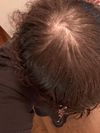
The user plans to stop finasteride after three months, believing hairloss isn't due to DHT, and will continue with oral minoxidil, microneedling, and ketoconazole shampoo. They suspect stress and poor nutrition are the main causes and seek opinions on DHT blockers' effectiveness.
A 28-year-old male experiencing early male pattern baldness is considering using Pyrilutamide (KX-826) as an alternative to finasteride due to side effects. He seeks to maintain his current hair without regrowth and is concerned about potential side effects like reduced libido.
A 25-year-old discusses hairloss and its impact on confidence, considering treatments like finasteride and minoxidil. Recommendations include these medications and lifestyle changes to manage hairloss.
CRISPR shows promise for treating hairloss by targeting specific genes. Current treatments include Minoxidil and finasteride, but CRISPR could offer a more precise solution, though it is still expensive and in early stages.
Kitchen_Plastic_2847 had been fighting hairloss since 2019-2020 and was initially successful in regrowing his hair with finasteride. However, after contracting Covid three times back to back at the start of 2021, he started to lose his hair again. He found a new dermatologist who prescribed him oral minoxidil along with finasteride, but eventually decided it wasn't worth spending all the money to try and save his hair.
People discussed their experiences with hairloss medications like finasteride and minoxidil affecting fertility. Some had successful pregnancies while on these medications, others took breaks from the medications when trying to conceive, and there were mixed opinions on the necessity of stopping treatment for conception and pregnancy.
A 57-year-old man with severe hairloss since age 14 tried various hairloss treatments over two years, including finasteride, dutasteride, minoxidil, and supplements, with some minor regrowth. He also experimented with topical treatments and microneedling, but results were not cosmetically significant.
Topical melatonin may help reduce hairloss and increase hair thickness in people with androgenetic alopecia (AGA), with some studies showing positive results. It can be mixed with minoxidil for application, and its effectiveness might be enhanced when used with micro-needling, but results may vary among individuals.
DHT is not the only cause of male pattern hairloss; genetic sensitivity, inflammation, and fibrosis also contribute. GHK-Cu, a copper peptide, is being explored as an alternative treatment to finasteride and minoxidil, showing potential in improving follicle health.
Minoxidil and finasteride might help with hair regrowth, but a hair transplant may be necessary for significant improvement. The conversation humorously discusses the severity of hairloss, comparing it to various exaggerated Norwood scale levels.
Prolactin and cortisol are identified as key factors in hairloss, with stress hormones impacting hair shedding. Finasteride and minoxidil are effective treatments, while DHT's role and individual sensitivity are significant factors.
The user has been taking 1mg finasteride daily for a year with no improvement in hairloss and reports low cortisol levels, sleep issues, and anxiety changes. The conversation includes discussions on the potential effects of finasteride on cortisol and neurosteroids, with suggestions to consult a doctor and consider other factors.
A 24-year-old man is experiencing hair shedding after starting Minoxidil and Creatine, and is concerned about accelerated hairloss. A user suggests that Creatine does not increase DHT levels and recommends considering oral Dutasteride, low-dose oral Minoxidil, and Ciclopirox Shampoo, advising consultation with a doctor.
The conversation discusses severe hair shedding and thinning, with the original poster using finasteride, oral minoxidil, and other supplements without improvement. The discussion highlights the possibility of telogen effluvium and the importance of addressing potential underlying health issues, such as stress and gut health, rather than assuming diffuse unpatterned alopecia (DUPA).
Excessive sugar consumption may contribute to male pattern hairloss by increasing androgen sensitivity and insulin resistance, but genetics play a significant role. Treatments like minoxidil and finasteride are suggested for managing hairloss, while reducing sugar intake and maintaining a healthy lifestyle may help mitigate its progression.
Moringa extract and oil are suggested to help with hairloss, with some users combining it with treatments like minoxidil, finasteride, and dutasteride. Moringa is claimed to improve hair growth and health, but evidence is mostly anecdotal.
IGFBP‐rP1 shows potential for treating androgenic alopecia by influencing hair cycle transitions. Increasing IGF-1 levels may have similar effects to Minoxidil and 5-AR inhibitors in reducing hairloss.
Finasteride does not significantly affect muscle gains and can slightly increase testosterone levels. Creatine is generally considered safe to use with finasteride, though some believe it may increase DHT levels, potentially affecting hairloss.
A user experienced no reduction in DHT levels after 8 months of finasteride, despite initial improvement in hairloss. They are considering switching to dutasteride but are concerned about potential side effects.
Switching from finasteride to dutasteride can reduce scalp DHT levels more effectively. The discussion includes using minoxidil, finasteride, and RU58841 for hairloss treatment.
A 28-year-old woman is struggling with Female Pattern Baldness and has tried various treatments, including Minoxidil and Spironolactone, without success. She feels frustrated with doctors' responses and is considering alternative treatments like light therapy but is losing hope in finding a solution.
The user reported high testosterone and estradiol levels within range, but unexpectedly high DHT levels after using finasteride and dutasteride for hairloss. Another person suggested the dutasteride might be fake or a bad batch and recommended using the branded Avodart.
A person realized they were balding when their sister pointed it out and is now using a combination of hairloss treatments including finasteride, minoxidil, microneedling, and plans to add dutasteride and RU58841. Others in the conversation emphasize the importance of honesty about hairloss and caution against an overly aggressive treatment regimen, especially before a hair transplant.
A user experienced a significant drop in testosterone levels after taking finasteride, leading to side effects like low libido and muscle mass loss. Despite its effectiveness for hair, the user decided to stop finasteride due to its impact on hormones, preferring to be bald.
A user's decision to shave their head after experiencing hairloss since the age of 17, and discussion around the potential use of Fin for treating hairloss.
This conversation discusses the advancements in treatments for hairloss, including finasteride, dutasteride, minoxidil and new promising treatments such as pyrilutamide and verteporfin. Other treatments discussed were taking minoxidil orally, tretinoin to turn non-responders into responders and microneedling to further boost growth.
Oral dutasteride (0.5mg) is most effective for male hairloss, followed by oral finasteride (5mg), oral minoxidil (5mg), and oral finasteride (1mg). Different treatments have benefits and side effects, and results don't apply to women's hairloss.
The user has been taking oral Finasteride and topical Essengen 6 Plus for hairloss and is experiencing increased depression. They plan to get bloodwork to check hormone levels and are seeking advice on which tests to include.
The user claims NoFap (abstaining from pornography, masturbation, and orgasm) helped stop their hairloss. Others argue that hairloss is primarily due to genetics and DHT, which can be managed with finasteride.