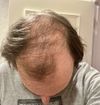
Comparing two upcoming topical hairloss treatments, Fluridil and Breezula, to determine which is most effective for treating hairloss, taking into consideration factors such as price, side effects, potential for hair growth, convenience of application, smell, greasiness, and styling after use.
Finasteride is used for hairloss, with mixed reports of no side effects and claims of long-term negative effects known as Post Finasteride Syndrome (PFS). The conversation debates the existence and causes of PFS, with differing opinions on whether it is psychological or real.
A young man faces severe hairloss in his early 20s, using treatments like dutasteride and minoxidil with little success, impacting his self-esteem and relationships. He considers hair systems and therapy as potential solutions.
A user successfully halted hairloss using finasteride for 17 years and recently switched to dutasteride for stronger DHT suppression. They experienced no major side effects, maintained a full head of hair, and fathered three children without issues.
The user is experiencing sudden hairloss and is considering micro-needling, low-level light therapy, iron supplements, folihair, and Omega 3. They are hesitant to start finasteride, suspecting the hairloss might be due to telogen effluvium from a past COVID-19 infection.
A 20-year-old is experiencing hairloss despite using dutasteride and oral minoxidil. Suggestions include consulting a specialist, considering RU58841, and checking for other conditions and vitamin deficiencies.
The conversation humorously discusses hairloss treatments, including Minoxidil, finasteride, RU58841, and topical 17 alpha estradiol, with some users joking about transitioning to female to avoid baldness. The overall tone is satirical, emphasizing self-acceptance and the lengths people might consider for hair restoration.
This user experienced severe hairloss, but was able to successfully treat it with finasteride over a two year period. Despite experiencing multiple shedding cycles while on the medication, Mission5896 reported that their hair continued to get thicker and stronger. Additionally, they tried both minoxidil orally and topically, but only found success with finasteride.
This user has experienced hairloss, and treated it with a combination of finasteride and minoxidil for one year. They have reported slight heart palpitations and headaches, which diminished after the third month of treatment.
The individual is experiencing hairloss and has a vitamin D deficiency, with levels at 7.49ng/ml or 26nmol/l. They are unsure if the deficiency is causing the hairloss and are seeking advice on vitamin D supplementation.
The user experienced significant hairloss after extended fasting, initially thought to be Telogen Effluvium, but later suspected male pattern baldness. They tried finasteride briefly but stopped due to concerns about side effects, and are unsure if the hairloss is due to Telogen Effluvium or another cause.
The user is experiencing significant hairloss and is considering treatments like minoxidil, finasteride, and possibly a hair transplant. They are advised to consult a dermatologist and consider oral minoxidil and dutasteride, while being aware of potential side effects and the need for ongoing treatment.
The conversation is about a user's hairloss treatment regimen, which includes daily finasteride, topical minoxidil, derma rolling, and Nizoral shampoo. Opinions vary on the effectiveness of the regimen, with some users suggesting additional treatments like oral minoxidil and dutasteride, while others debate the presence of a scalp fungus and the impact of microneedling.
Nizoral is commonly used for hairloss and dandruff, but it can cause dryness; users often pair it with conditioners or alternative shampoos. Some also use finasteride, minoxidil, and red light therapy for hair care.
The user "OP" shared their hairloss journey, detailing their treatment regimen, which includes topical minoxidil, dutasteride, various vitamins, keto shampoo, derma rolling, and oils. They experienced significant shedding around month 6 but believe it has stopped, with hair regrowth resuming.
The conversation discusses biannual SCUBE3 injections and microneedling as treatments for hairloss. Specific treatments mentioned include Minoxidil, Finasteride, and RU58841.
A user started finasteride for hairloss and saw improvement, but is now experiencing shedding and thinning in new areas. They added Nizoral due to dandruff caused by finasteride. Replies suggest that shedding is normal around 6 months and advise to stick with the treatment.
The conversation discusses a 6-month hairloss treatment update using 1mg finasteride and 5% minoxidil daily. Some users apply minoxidil once or twice a day, and there's no mention of using a dermaroller or dermastamp in the treatment.
User harlital shared their 9-month hairloss journey using finasteride, minoxidil, and microneedling but experienced worse results. Commenters suggested patience, checking for other causes, and considering dutasteride after 12-24 months if no improvement.
A user is experimenting with a hairloss treatment involving derma rolling and essential oils, avoiding expensive treatments and medications. They plan to shave their head, use a derma roller three times a week, apply Nizoral twice a week, and use a mix of Rosemary, Peppermint, and Jojoba Oil on non-rolling days.
A user shared a 3-month hairloss treatment progress using 0.5mg finasteride every other day, Naz shampoo twice weekly, and daily vitamin D and omega 3, without using minoxidil or dermarolling due to scalp sensitivity. Commenters noted the significant results from a low dose of finasteride and questioned the role of vitamins in the treatment.
A 25-year-old male experiencing hairloss and thinning since age 20 is seeking advice on effective DHT inhibitors. He lists various oral and topical treatments, excluding Minoxidil due to adverse effects.
The user is using a hairloss treatment regimen that includes RU58841, minoxidil mixed with finasteride, adenosine, dermarolling with lidocaine cream, and biotin. They are questioning if they are dermarolling too aggressively and are willing to accept baldness if no improvement is seen in 6 months.
A 21-year-old is experiencing hairloss and is considering using Minoxidil and Finasteride, but is concerned about lifelong dependency and seeks advice on permanent solutions. They are advised to act quickly, consider additional treatments like Dutasteride, and get blood tests to rule out other causes.
A user shared their progress with hairloss treatment using 0.1% topical finasteride for 5 months and 6% minoxidil for 2 months, reporting reduced hair shedding, less scalp visibility, and healthier hair. They experienced no significant side effects except initial itching and dandruff, and noted an increase in libido.
A user is starting a hairloss treatment with a 3-in-1 spray containing 6% minoxidil, 0.3% finasteride, and 0.025% tretinoin. Users are skeptical about its effectiveness due to advanced hairloss, but some suggest adding microneedling and using affordable generics.
Finasteride helped maintain hair density and prevent further hairloss over 4.5 years, with no major side effects except mild gynecomastia. Consistency and regular health checks are recommended, and the user experienced stable hair density with occasional shedding.
A 22-year-old is experiencing aggressive hairloss despite using minoxidil and finasteride and is considering a hair transplant but lacks funds. The discussion includes advice on treatments like dutasteride, microneedling, and lifestyle changes, with mixed opinions on the timing and effectiveness of a transplant at a young age.