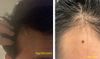
The conversation is about using a dermastamp for hairloss treatment and concerns about a potentially scam product, pp405. It suggests sticking with known treatments like finasteride and minoxidil.
A 20-year-old is experiencing aggressive hairloss and is using oral finasteride, topical minoxidil, tretinoin, rosemary oil, and dermarolling in an attempt to manage it. They are concerned about their appearance and future hairloss, seeking advice on additional treatments.
A 48-year-old male is seeking advice on hairloss treatments, having tried Rogaine, Dutasteride, and Finasteride, and is concerned about a Spironolactone prescription. He is advised to continue with Finasteride, consider combo pills for convenience, and re-evaluate the Spironolactone prescription as it is typically not for men.
The user is seeking advice on mixing 5% Minoxidil with 0.025% Tretinoin for hairloss treatment, as they cannot find a suitable product in India and are considering making it themselves. They express concerns about mixing ratios and stability, while others suggest applying them separately or mixing them with other ingredients like finasteride and RU58841.
Epristeride is a selective 5 alpha reductase type 2 inhibitor that may reduce scalp DHT similarly to finasteride, with potentially fewer side effects. It is suggested that combining epristeride with finasteride or dutasteride could enhance hairloss treatment effectiveness.
The user experienced hairloss despite using Fin and Min for 12 years and switched to Dutasteride, RU58841, and Keto scalp serum, but shedding and itch persist. They are considering increasing Dutasteride to 2.5mg and questioning the necessity of a scalp biopsy, with mixed opinions on its usefulness.
A user is concerned about hairloss from creatine and asks for precautions, mentioning treatments like Minoxidil, finasteride, and ketoconazole shampoo. Replies vary, with some users sharing personal experiences and others dismissing the concern.
Kintor is accused of using fake pictures to promote their product, Pyrilutamide (KX826), which failed Phase 3 trials. Users express disappointment and note similar false advertising has occurred with finasteride and minoxidil.
The user noticed a significant improvement in hairloss after 3.5 months using a topical treatment of 7% Minoxidil, 0.1% Finasteride, and 0.025% Tretinoin, which was prescribed and shipped from a pharmacy in Indiana. Other users discussed alternative products with varying concentrations of Minoxidil and Finasteride.
Silicone-based shampoos and conditioners may leave a layer on the scalp that could affect the absorption of topical hairloss treatments like Fluridil. The user is considering switching to silicone products to manage frizzy hair but is concerned about this potential issue.
The user has been mixing finasteride with stemoxydine for hairloss and is considering switching to a less expensive product with a different ingredient list. They are questioning if the new product's higher water content compared to alcohol will affect the finasteride's solubility.
The user discussed their positive experience with Him's Minoxidil and Finasteride product and Biotin pills for hairloss treatment over a year. Another user asked when they started noticing hair thickening and volume increase on their temples.
The conversation is about a user complaining about the strong smell of a stemoxydine serum used for hairloss. Other users suggest that the product might be counterfeit due to its unpleasant odor.
A user experienced hair thinning after using Adapalene gel 1% for skin care, suspecting it contributed to hairloss alongside depression and anxiety. They stopped using Adapalene and switched to a Minoxidil/Finasteride formula, noticing hair improvement, while others in the conversation doubted Adapalene's impact on hairloss.
Mometasone Furoate Topical Solution 0.1% is used for hairloss, applied after showering and massaged into the damp scalp. The user is seeking information on its effectiveness for hairloss.
Making a 1 year update on hairloss treatment of Finasteride, 5 mg oral minoxidil and topical minoxidil with 1.5 mm dermarolling; the user experienced some face pimples, baggy eyes, and had tried skin care. They also used fiber with their hairproduct and left it for a few days to make it look visually better. Replies were positive and one asked if using both oral and topical minoxidil was overkill.
The conversation is about someone wanting to import RU58841 or CB-03-01 from China for hairloss treatment but being concerned about receiving counterfeit products. Specific treatments mentioned are RU58841 and CB-03-01.
The conversation is about using topical melatonin for hairloss and seeking advice on a safe mixing solution or pre-mixed product. Specific treatments mentioned are minoxidil, finasteride, and RU58841.
A user shared their experience with hairloss treatments, including RU58841, ketoconazole shampoo, caffeine shampoo, and topical finasteride. They found RU58841 effective for diffuse thinning but experienced severe hairloss after stopping it; topical finasteride worked well for a receding hairline but caused side effects. They also use a charcoal shampoo and practice scalp massages.
The conversation is about the safety of using a product with azelaic acid and other ingredients on a receding scalp for hairloss. Specific treatments mentioned are Minoxidil, finasteride, and RU58841.
Cutting sugar may not significantly impact hairloss, as DHT and androgen receptors are the main issues. Effective treatments include finasteride, dutasteride, RU58841, and minoxidil, often combined with microneedling.
The conversation discusses skepticism about a video claiming rosemary oil can regrow hair, with doubts about the video's authenticity. It mentions that the video's creator might be seeking views for ad revenue, and another user suggests it might work if the hairloss isn't male pattern baldness.
A user shared their 6-month progress with hairloss treatment, showing significant improvement. They used 1mg Propecia daily, Rogaine foam (5% minoxidil) after morning showers, and CG210 spray before bedtime.
Clascoterone 5% and PP405 are being discussed as potential future treatments for hairloss, with clascoterone nearing phase three completion and PP405 possibly taking a cosmetic route to market. Current treatments like minoxidil, finasteride, and RU58841 are mentioned as effective in slowing hairloss, but a complete cure remains elusive.
Whey protein may slightly increase hairloss in men with androgenetic alopecia (AGA) due to elevated IGF-1 and testosterone levels, but the effect is minimal compared to treatments like finasteride and dutasteride. Many users argue that whey protein's impact on hairloss is negligible and that maintaining a healthy lifestyle is more important.
The conversation is about choosing effective hairloss treatments, specifically discussing RU58841, 5% minoxidil, copper peptides, microneedling, finasteride, dutasteride, and Tretinoin. The user seeks advice on the best topical treatments and prefers to use only 1-2 products.
The conversation discusses hairloss and its potential link to caffeine consumption, with the original poster experiencing increased shedding after consuming more coffee. They mention being a non-responder to finasteride and plan to reduce coffee intake, while others suggest various factors like stress, physical exertion, and medication changes could also contribute to hairloss.
Low-dose Dutasteride, used 2-3 times a week, is as effective as daily Finasteride for hairloss with fewer side effects. Users report increased libido and better results with Dutasteride compared to Finasteride.
Shampoos, including those with ketoconazole, may offer mild benefits for hair health but are not effective for stopping hairloss or balding. Effective treatments for hairloss include finasteride and minoxidil, often used together, while shampoos are generally not on the scalp long enough to impact hair follicles significantly.
Rubbing coffee into hair may strengthen it and slow hairloss, according to one user. Other users discuss using caffeine topically, with some combining it with treatments like finasteride, minoxidil, and dermastamping for hair growth.