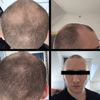
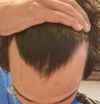
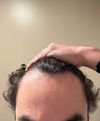
Creatine may increase DHT levels, potentially causing hairloss in some people, though experiences vary. Treatments like finasteride or minoxidil are suggested to manage potential hairloss.
Finasteride and minoxidil are commonly used for hairloss, with RU58841 and microneedling also showing effectiveness. Oral minoxidil and dutasteride are noted for their impact, while side effects and alternative treatments like ketoconazole and natural DHT blockers are discussed.
Young people are using hairloss treatments like finasteride and dutasteride without having hairloss, influenced by social media trends. Concerns are raised about the potential long-term effects of taking these medications at a young age.
Testosterone can still cause hairloss even when DHT is blocked by dutasteride, especially if hair follicles are sensitive. Topical treatments like RU58841 or pyrilutamide may help, but their long-term effectiveness is uncertain compared to dutasteride.
RU58841 is used for hairloss, with mixed effectiveness and potential side effects like heart issues. Some users find it effective, while others see no results; alternatives like finasteride and dutasteride are also mentioned.
A user is starting a hairloss treatment with Minoxidil (5 mg oral and 10% topical), Dutasteride, and Zinc, and is concerned about the high dosages. Other users suggest following the dermatologist's advice, starting with topical treatments, and discussing dosage concerns with the doctor.
The user is experiencing hairloss, possibly due to androgenetic alopecia and seborrheic dermatitis, and has tried ketoconazole shampoo without success. They are hesitant to use finasteride due to potential side effects and are seeking advice on managing their condition.
The user is experiencing hairloss despite using finasteride and Rogaine, with conflicting diagnoses from different hospitals. One suggests no hairloss, while another recommends continuing medication; a suggestion to see a dermatologist for proper assessment is given.
Intermittent fasting may suppress hair follicle regeneration, but opinions vary on its impact on hairloss. Some users report no negative effects or even hair improvement while using treatments like finasteride and minoxidil.
The user is experiencing asymmetrical hairloss at the frontal hairline and is concerned about potential conditions like frontal fibrosing alopecia. They have started using finasteride and pumpkin seed oil to address the issue.
The conversation discusses alternative and unorthodox hairloss treatments, including RU58841, nandrolone, and dianabol, as well as theoretical approaches involving high doses of estrogen and selective estrogen receptor modulators. These methods are considered extreme and potentially harmful but are explored for those unable to tolerate traditional 5-alpha reductase inhibitors.
The user is frustrated with hairloss, having switched from topical minoxidil and finasteride to dutasteride and oral minoxidil without seeing improvements. They are considering a hair transplant and are advised to continue the current treatment and explore therapy or lifestyle changes.
The user noticed hairloss in 2021, used finasteride and minoxidil for six months, then stopped due to unrelated health issues. They are considering resuming treatment as others suggest it could reverse hairloss, but they are also open to accepting the gradual loss.
The conversation humorously discusses hairloss treatments, focusing on finasteride, dutasteride, and minoxidil, with users joking about misleading others to keep treatments secret. It includes sarcastic comments about side effects and ineffective remedies.
Norwood 7 hairloss is often excluded from trials to ensure treatments appear more effective and to reduce costs. Some believe treatments effective for Norwood 5 could work on Norwood 7, but companies prioritize market readiness.
The conversation discusses hairloss treatments, specifically Minoxidil, finasteride, and RU58841. It highlights the South Korean president's push for public health coverage for hairloss.
An 18-year-old experiencing balding since age 15 is seeking alternatives to minoxidil for hair regrowth, currently using rosemary oil and a 0.5mm derma roller. They are unsure about the proper use of these treatments.
Filtered shower heads may improve scalp and hair health but do not affect male pattern baldness (MPB). Genetics and factors like DHT and scalp tension are more significant in hairloss.
A 20-year-old experiencing hairloss was diagnosed with androgenetic alopecia and prescribed finasteride, minoxidil, and multivitamin/zinc pills. They are considering starting finasteride and minoxidil daily to maintain their hair and stop further loss.
A user suggests using a poop-based solution for hair growth, comparing it to fertilizing nails. Others humorously respond, with one mentioning microneedling as a similar concept.
The user is using a comprehensive hairloss prevention regimen including Dutasteride, RU58841, topical treatments, red light therapy, microneedling, and supplements like Nutrafol, while avoiding Minoxidil. They also supplement with vitamin D and zinc and plan to start testosterone replacement therapy (TRT) in January.
The conversation discusses using GHK-Cu for hairloss, with one user suggesting subcutaneous administration for better control. The effectiveness of topical application is questioned due to a lack of reliable reviews.
Parasites in the gut may contribute to hairloss by depleting essential nutrients and disrupting hormone balance. An imbalance of hormones, not just DHT, could be a factor in androgenic alopecia.
The conversation discusses hairloss and its potential link to caffeine consumption, with the original poster experiencing increased shedding after consuming more coffee. They mention being a non-responder to finasteride and plan to reduce coffee intake, while others suggest various factors like stress, physical exertion, and medication changes could also contribute to hairloss.
The conversation is about a 19-year-old female experiencing hairloss, potentially due to deficiencies in iron, ferritin, and vitamin D. She is considering iron and vitamin D supplementation and exploring dietary changes, while also planning to consult a dermatologist when possible.
Redensyl is a plant-based treatment that may support hair regrowth by reactivating dormant follicles and improving hair density, especially in early-stage thinning. It is not a miracle cure and results vary; it is less proven than Minoxidil or Finasteride and may cause scalp irritation.
An 18-year-old male is experiencing hairloss and is using topical minoxidil and oral finasteride. He is concerned about continued shedding, mild sexual side effects, and whether to adjust his finasteride dosage.
Creatine may cause hairloss in some individuals, though there is no scientific consensus. Personal experiences vary, with some reporting increased shedding and others seeing no effect.
A new topical medication, Clascoterone, shows promise for hairloss, improving hair count significantly. Trials for Breezula are ending, but sign-ups for PP405 trials are available for 2026.
A 32-year-old noticed thinning hair and started using minoxidil 5% daily without worsening. They seek advice on tracking hairloss progress with photos.