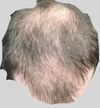
A 23-year-old experiencing hairloss tried olive oil, coconut oil, and hair growth shampoos without success. They are seeking advice on whether to start treatments like Minoxidil, finasteride, or RU58841.
A 46-year-old male is considering adding topical dutasteride to his hairlossregimen, which includes oral minoxidil, topical minoxidil, miconazole nitrate, pumpkin seed oil, microneedling, DHT oil blocker, lipogaine, and ketoconazole shampoo. He plans to start with a 0.025% concentration in lipogaine once a week to monitor for side effects.
A 23-year-old male shares his 136-day progress using a hairloss treatment regimen of daily Dutasteride 0.5mg, topical Minoxidil 5% with Tretinoin, and Nizoral every other day, reporting no side effects and significant hair regrowth. He notes high energy and libido, with no shedding, and attributes most progress to Dutasteride.
The conversation discusses the effectiveness of adding RCP (redensyl, capixyl, procapil) to a hairloss treatment regimen that includes minoxidil and finasteride. Users share experiences, suggesting RCP may not be as effective as minoxidil, but could be useful for creating topical solutions.
The conversation is about adding a low dose of pyrilutamide to a hairloss treatment regimen. Specific treatments mentioned include Minoxidil, finasteride, and RU58841.
Hair transplants can initially yield good results, but native hair is more reliable, and transplanted hair may still be lost over time. Early intervention with treatments like topical finasteride and minoxidil is recommended, but it's important to start with lower doses and manage expectations realistically.
A 24-year-old person who is worried about their hairloss after 14 months of taking finasteride and 11 months of minoxidil. Replies to the post suggested sticking with their current regimen, that shedding from one part may not be telogen effluvium, and that shedding is normal with these drugs and they should evaluate in two to three months.
User TopBack56 and friends tried pyrilutamide (KX-826) for hairloss without experiencing negative side effects. They observed fine vellus hairs but no thick hair growth yet, and plan to add GT20029 to their regime after safety trials.
A user shared their experience with microneedling and minoxidil for hairloss, avoiding finasteride due to concerns about systemic hormone effects. They reported slight hair regrowth after one month and plan to continue the regimen, noting improvements in skin sensitivity and managing dandruff with anti-dandruff shampoo.
The user is frustrated with their lack of hair growth after 3.5 months of using minoxidil, dermarolling, Propidren (Saw Palmetto), and essential oil massages. They are hesitant to use finasteride due to potential side effects, despite suggestions that it might be more effective.
The conversation is about using alfatradiol as a hairloss treatment. The user is considering adding it to their regimen because it is safe, mild, and easily available in Europe.
Improved sleep has significantly benefited hair health, with noticeable regrowth at the hairline and possibly the crown, alongside better skin and mood. Consistent sleep, alongside treatments like finasteride and minoxidil, is recommended for better results.
The conversation is about using alfatradiol (17α-estradiol) as a hairloss treatment. The user is considering adding it to their regimen due to its safety and availability.
The conversation is about a user switching to a more aggressive hairloss treatment, adding dutasteride 0.5mg and oral minoxidil 2.5mg to their current regimen of finasteride 0.02%, minoxidil 5%, biotin, massages, and microneedling. Users suggest increasing finasteride dosage and caution about potential side effects of oral minoxidil.
Adding RU58841 to a regimen of 2.5 mg dutasteride and 5 mg oral minoxidil for potential hair regrowth. Some users suggest a biopsy to determine the cause of hairloss, while others discuss the effectiveness and side effects of various treatments.
A 25-year-old experiencing genetic hairloss used minoxidil, biotin, and cystine but stopped due to routine fatigue, leading to worsened hairloss and unwanted body hair growth. They are hesitant about finasteride due to potential side effects and are seeking advice on effective treatments.
The user has been using Dutasteride and topical Minoxidil for hairloss, considering switching to oral Minoxidil and increasing Dutasteride dosage. They are seeking advice on whether to change their current regimen or continue, with some users suggesting oral Minoxidil and others cautioning about potential side effects.
A 41-year-old shared their 195-day hairloss treatment progress using finasteride and minoxidil, initially topical and later oral, along with microneedling. They reported positive results and expressed satisfaction with the current regimen.
The user has been using oral finasteride and minoxidil for hairloss since October 2024, with noticeable progress, and is considering switching to a new regimen including dutasteride, minoxidil, and biotin. They are seeking advice on the new treatment plan and its potential effects.
Mixing tretinoin into minoxidil foam is being considered to simplify a hairloss treatment routine. The current regimen includes oral dutasteride, topical tretinoin, topical minoxidil, and fluridil.
A 25-year-old from Argentina shared approximately four months of hairloss progress using ketoconazole shampoo, finasteride, minoxidil, and PRP therapy. The treatment appears to be part of a regimen recommended by a hairloss clinic.
The conversation discusses the use of topical finasteride and minoxidil for hairloss and inquires about the effectiveness of adding RU58841. Participants share experiences and opinions on the potential benefits of including RU58841 in their treatment regimen.
The user experienced successful hair regrowth with Finasteride and Minoxidil but developed erectile dysfunction and abdominal pain, possibly due to medication or lifestyle changes. They plan to consult a urologist and consider adjusting medication or trying supplements like zinc, DIM, or boron.
The user has been using oral finasteride and minoxidil for hairloss but is considering switching back to topical minoxidil due to persistent scalp issues. Another user suggests an anti-inflammation regimen and oral dutasteride.
The conversation is about using tretinoin with minoxidil for hairloss treatment. The user is seeking advice on usage frequency and results after adding tretinoin to their regimen.
The conversation is about a user trying a new hairloss treatment, Ruxolitinib, alongside their existing regimen of finasteride, minoxidil, ketoconazole shampoo, and microneedling. They plan to apply Ruxolitinib to their temples daily for 1-2 months.
The user has been using finasteride for five years and minoxidil foam for 1.5 years to combat hairloss, experiencing significant regrowth after an initial shedding phase with minoxidil. They shared progress pictures and discussed treatment experiences, including the addition of minoxidil to their regimen after noticing reduced efficacy with finasteride alone.
The post discusses a 21-month treatment of hairloss using Finasteride, a 13-month treatment with Minoxidil, and a 2-month treatment with Stemoxydine. Replies suggest enhancing results by adding a micro needling pen and tretinoin to the regimen, and consider Finasteride and Minoxidil as crucial treatments.
A user shared their successful hairloss journey using finasteride for five years and minoxidil for two years, which stabilized and improved their hair condition. They experienced some shedding with minoxidil but found the routine manageable and are open to future treatments like dutasteride if needed.
The conversation discusses potential vitamin deficiencies leading to hairloss, with a focus on Vitamin D and iron. Some individuals are using finasteride and minoxidil for hairloss, while others consider vitamin supplementation due to deficiencies.