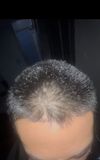
The user is currently using oral finasteride for hairloss and considering adding Eucapil, dutasteride mesotherapy, and microneedling to their treatment regimen. They are seeking alternatives to minoxidil, such as Stemoxydine, due to concerns about minoxidil's side effects.
The conversation discusses the potential benefits of sublingual minoxidil for hairloss treatment. It suggests that sublingual minoxidil, which bypasses the liver, may have fewer side effects, greater bioavailability, and could be more effective than oral minoxidil.
A user experienced hair thinning after using Adapalene gel 1% for skin care, suspecting it contributed to hairloss alongside depression and anxiety. They stopped using Adapalene and switched to a Minoxidil/Finasteride formula, noticing hair improvement, while others in the conversation doubted Adapalene's impact on hairloss.
The post discusses skepticism about a "miracle hair cream" claiming to reverse hairloss, with the user already using finasteride, minoxidil, and dermastamping. The cream's ingredients include various oils and acids, but the user seeks confirmation of its effectiveness.
A user experiencing excessive hair shedding and a receding hairline is questioning if low vitamin D levels could be the cause, despite levels being within the normal range. Replies suggest that while vitamin D deficiency can cause hairloss, it might not be the issue in this case.
The user is experiencing diffuse hairloss due to high testosterone levels and has tried various treatments including finasteride, minoxidil, nanoxidil, keto/caffeine shampoo, dermarolling, and RU-58841 with limited success. They are seeking advice on safely lowering testosterone levels to manage hairloss.
Hair transplants, oral finasteride, oral minoxidil, and dutasteride mesotherapy are highly effective for treating AGA hairloss. This combination can maintain and improve hair for most people, except those with very aggressive AGA.
Resveratrol and fisetin, found in red wine and strawberries, may promote hair growth by affecting hair follicle cells. Users discuss various treatments, including natural remedies like saw palmetto and topical applications, with mixed opinions on their effectiveness compared to pharmaceuticals like finasteride.
Hair regrowth treatments for cis-males include Minoxidil, Finasteride, and RU58841. Estrogen and testosterone blockers can help restore hairloss but may not suit everyone.
The conversation is about a hairloss regimen using Veta hair products, 2% keto shampoo, 1% zinc shampoo, and 0.05% retin-a topical. The user seeks natural alternatives due to adverse effects from finasteride.
The post and conversation are about skepticism towards HairClone's crowdfunding campaign for a hairloss cure, with users expressing doubt and calling it a scam. Specific treatments mentioned include Minoxidil, finasteride, and RU58841.
A user is concerned that prolonged use of valisone (betamethasone) and clotrimazole solution for scalp dermatitis may be causing hair thinning and loss. They noticed thinning in the area where the solution was applied.
The conversation discusses using Cedarwood, Rosemary, and Lavender essential oils for hair growth and preventing hairloss. The user plans to apply Cedarwood oil daily.
The conversation is about the effectiveness of Ultrax Labs Hair Surge Caffeine HairLossHair Growth Stimulating Shampoo, with the original poster questioning if the positive reviews are genuine or not. No specific treatments were discussed.
The user is struggling with hairloss and has tried treatments like finasteride, minoxidil, and hair systems, each with drawbacks. They are considering retrying finasteride before a hair transplant and are advised to seek therapy for mental health support.
Elevated liver enzymes were reported from taking finasteride and minoxidil. The doctor advised stopping oral minoxidil and taking finasteride every other day.
Betnovate and mometasone furoate were tried for scalp issues, but Zoryve and Selsun shampoo were recommended for relief. Itraconazole was suggested for stronger treatment if topicals fail.
Ketoconazole shampoo is mainly used for scalp health and dandruff, not effective for hair regrowth. Some users find it drying, while others notice improved hair appearance and reduced dandruff.
The conversation is about using coenzyme Q10 for hairloss alongside dutasteride. The effectiveness of coenzyme Q10 for treating androgenetic alopecia is questioned due to a lack of evidence.
Whey protein is unlikely to cause hairloss, and some users suggest it might be beneficial if dietary protein is insufficient. Hairloss is generally considered genetic, and there is skepticism about the dermatologist's advice to switch from whey protein to whole foods.
The conversation discusses the use of autologous exosomes for hairloss, questioning their effectiveness and seeking real user experiences. The user is skeptical about the treatment's legitimacy and is looking for honest feedback on its results.
The user has been taking 3.75mg of finasteride weekly for 8 months, which has improved their hairline and hair texture. They shared a humorous encounter with a bald mechanic who complimented their hair, unaware of the finasteride use.
A 26-year-old is starting a hairloss treatment using 1mg oral finasteride daily, 5% topical minoxidil foam twice daily, 2% ketoconazole shampoo weekly, and microneedling once a week. They noticed worsening hairloss over the past year and are seeking advice.
Orient Bio is developing a PLGA formulated version of Cyclosporine A to stimulate hair growth without its immunosuppressant effects. Users discuss various treatments like Clascoterone, PP405, minoxidil, and tacrolimus, expressing hope for new developments and sharing personal experiences with these treatments.
The user is considering continuing minoxidil and microneedling, possibly adding low-dose topical finasteride, and undergoing a large FUE hair transplant to improve hair appearance. They plan to use hair fibers for added density, aiming for a convincing cosmetic look rather than full density.
Improved sleep has significantly benefited hair health, with noticeable regrowth at the hairline and possibly the crown, alongside better skin and mood. Consistent sleep, alongside treatments like finasteride and minoxidil, is recommended for better results.
A new light therapy claims to reduce hairloss markers by 92% using a specific wavelength range. Users discuss the cost and effectiveness of devices, with some expressing skepticism and others considering alternative treatments like red light therapy and vitamin D exposure.
The conversation discusses using oral spironolactone for hairloss in males when 5ari blockers fail. Concerns are raised about spironolactone's side effects, and alternatives like pyrilutamide and breezula are suggested.