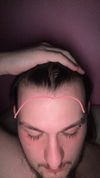
Serevelle is being considered for hairloss due to menopause, but its effectiveness is unclear. Minoxidil and hormone management are suggested alternatives.
Body hair transplants can be a last resort for hairloss, using body hair to fill scalp gaps, though it may not match scalp hair in texture or length. Minoxidil and finasteride are discussed as treatments, with varying effectiveness and side effects.
A user is experiencing severe dandruff and hairloss, considering using ketoconazole shampoo 2% to manage these issues. They seek advice on application frequency and effectiveness, with suggestions to use it 2-3 times a week and to consider other treatments like finasteride for hairloss.
The conversation discusses the effectiveness and systemic absorption of Topilutamide/Fluridil/Eucapil and topical Dutasteride for hairloss. Users are sharing their experiences and seeking success stories with these treatments.
CB 03 01 (Breezula) was tried for hairloss but showed no significant improvement, with issues in dissolving and application. Finasteride and dutasteride remain the most effective treatments, while minoxidil is also used; CB's effectiveness is questioned, and topical alternatives like bicalutamide are considered.
The conversation discusses whether Breezula could be considered a cure for hairloss if it stops hairloss without side effects, acknowledging that it's not very effective for regrowing hair. Some believe a combination of hair transplants and topical treatments like Breezula could be effective, while others doubt its efficacy and the practicality of topicals as a cure.
A poor diet high in sugar and insulin resistance may reduce the effectiveness of finasteride in treating hairloss. Improving diet could potentially enhance treatment results.
Topical spironolactone's effectiveness for men is discussed, comparing it to finasteride. Users share experiences and opinions on its use for hairlosstreatment.
The user is considering using tretinoin with minoxidil to enhance its effectiveness for hairloss, as oral minoxidil and finasteride aren't meeting expectations. They also mention ketoconazole topical as a potential scalp treatment.
The conversation discusses the use of microneedling as a complementary treatment for hairloss alongside oral minoxidil and dutasteride. Opinions vary on its effectiveness, with some users supporting its benefits for hair growth and others questioning its efficacy without topical minoxidil.
A 22-year-old experiencing hairloss since age 16 is seeking advice after stopping finasteride due to side effects, despite its effectiveness, and is currently using minoxidil and taking vitamin D supplements. They are concerned about their receding hairline and are considering whether to continue treatments or shave their head.
Clascoterone is being discussed for hairloss, but its current acne formulation may not be suitable for scalp use due to potential skin irritation and lower dosage compared to Breezula. Users mention other treatments like finasteride, minoxidil, and pyrilutamide, with some expressing skepticism about clascoterone's effectiveness for hairloss.
The conversation is a humorous and hopeful prayer for the effectiveness of finasteride in combating hairloss. Participants express gratitude and support for the treatment.
A 32-year-old male is experiencing hairloss despite using 0.5 mg Dutasteride and 2.5 mg Minoxidil daily, along with previous hair transplants and Finasteride use. He is considering increasing Dutasteride dosage and exploring other treatments like RU58841, but remains skeptical about their effectiveness and concerned about costs.
Starting finasteride earlier is generally more effective for hairloss, with no evidence of reduced effectiveness over time. Oral finasteride is recommended for better results, and starting treatment after age 18 is advised.
A 34-year-old woman is experiencing diffuse hairloss and irregular periods, possibly due to long-term spironolactone use. She is considering minoxidil and finasteride for treatment and seeking medical advice for androgenic alopecia and hormonal imbalances.
Lichen Planopilaris (LPP) is an autoimmune condition causing permanent hairloss and fibrosis, often misdiagnosed. Treatments include pioglitazone, topical corticosteroids, anti-inflammatory medication, and Jak inhibitors.
Peptides like TB500, KPV, GHK-CU, and BPC-157 are overhyped for hair growth with limited proven effectiveness in humans. Combining peptides with delivery methods like iontophoresis and sonophoresis shows promise, but many claims remain unproven.
A user shared their 7-month progress using only topical finasteride for hairloss. They recently started a new, non-FDA treatment and will evaluate its effectiveness in 6 months.
The conversation discusses the effectiveness of various doses of Dutasteride in reducing scalp DHT and its impact on hair count. Users shared personal experiences with hairlosstreatments, including Dutasteride, Finasteride, and Minoxidil, with one reporting significant hairloss reduction using a combination of oral Dutasteride and topical Minoxidil and Finasteride.
ExistingAd915's 17 year journey of fighting hairloss, which included the use of finasteride, minoxidil, and dutasteride. He has seen positive results from his treatments, with an overall improvement in hair density.
Mometasone Furoate Topical Solution 0.1% is used for hairloss, applied after showering and massaged into the damp scalp. The user is seeking information on its effectiveness for hairloss.
The conversation discusses the use of RU58841, a non-FDA approved research chemical for hairloss, with mixed opinions on its safety and effectiveness. Some users are willing to try it as a last resort after other treatments like Minoxidil and Finasteride failed, while others express concerns about potential long-term side effects and lack of official research.
Procapil is claimed to be better than Minoxidil for hairloss. Users discuss the effectiveness of various treatments, including Minoxidil, Finasteride, RU58841, and The Ordinary's Multi Peptide Hair Serum.
A 22-year-old is experiencing aggressive hairloss despite using minoxidil and finasteride and is considering a hair transplant but lacks funds. The discussion includes advice on treatments like dutasteride, microneedling, and lifestyle changes, with mixed opinions on the timing and effectiveness of a transplant at a young age.
The conversation discusses skepticism about DHT blocker supplements for hairloss, with many users recommending proven treatments like finasteride and minoxidil instead. Some users shared personal experiences with alternative treatments like beta-sitosterol and saw palmetto, noting side effects and limited effectiveness.
A 41-year-old is addressing hairloss by eating better, using a dermaroller, and taking Nutrafol, but many suggest adding finasteride and minoxidil for better results. The conversation includes mixed opinions on Nutrafol's effectiveness, with some recommending pharmaceutical treatments like finasteride and minoxidil for more significant hair regrowth.
Nizoral 2% is popular for maintaining scalp health and reducing inflammation, though its effectiveness for hairloss is debated. Some users combine it with finasteride for better results, while others find it drying or ineffective.
The user is disappointed with their hairloss progress after six months of using oral medications, laser therapy, microneedling, and vitamin D supplements. They are considering exosome therapy but are unsure of its effectiveness and are seeking advice on whether to continue or try other treatments.