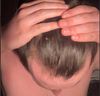
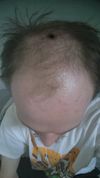
A 35-year-old man had a 6400 graft hair transplant in Turkey after years of baldness, using finasteride, oral and topical minoxidil, and scalp micropigmentation. He is satisfied with the progress and plans further SMP touch-ups to enhance results.
A 41-year-old with over 10 years of hair loss showed progress after 2 months using topical finasteride and minoxidil, dermaroller, DHT blocker shampoo, laser cap, and vitamins B12, Biotin, D3. Commenters are impressed with the results and suggest continued treatment and focus on health for further improvement.
The user is experiencing rapid hair loss despite using dutasteride, minoxidil foam, and ketoconazole shampoo, and is concerned about waiting longer to see results. A suggestion was made to consult a dermatologist for a tricoscopy and consider higher doses of dutasteride, while also checking for nutritional deficiencies and thyroid issues.
The user noticed hair loss in 2021, used finasteride and minoxidil for six months, then stopped due to unrelated health issues. They are considering resuming treatment as others suggest it could reverse hair loss, but they are also open to accepting the gradual loss.
A 28-year-old is using 0.5mg dutasteride and 2.5mg oral Minoxidil to improve front hair growth. They are seeking additional recommendations for enhancing hair in the front.
The user stopped using minoxidil and vitamins for three months and noticed no change in hair loss. It suggests they might be a non-responder to minoxidil, but finasteride could still be effective.
A 23-year-old discusses their hair loss treatment using finasteride, dutasteride, oral and topical minoxidil, and topical tretinoin under medical supervision. They stress stabilizing hair loss before a hair transplant and plan to continue the regimen for at least 18 months.
A 19-year-old using a DHT blocker and experiencing hair regrowth wonders if significant thickening will occur between 12-18 months or later. The discussion involves treatments like oral minoxidil and finasteride.
The user experienced increased hair shedding after switching from finasteride to dutasteride, despite lifestyle improvements and additional treatments like oral minoxidil and PRP. They are concerned about persistent shedding, changes in hormone levels, and potential chronic telogen effluvium, and are considering a scalp biopsy for further investigation.
The user's hair has become brittle and falls out easily, especially in the shower. They shared before and after photos showing significant changes in hair texture and thickness.
The user experienced significant hair regrowth using finasteride and minoxidil, leading to doubts about proceeding with a planned hair transplant. Many suggest postponing the transplant to save grafts for future needs, as the current results are impressive.
A 19-year-old male has been losing hair since 16-17 and feels more depressed after 6 months of using topical minoxidil and finasteride, which made his hair dry and greasy. Another user suggested switching to oral finasteride and provided tips for using topical minoxidil to reduce greasiness.
User experienced hair regrowth with finasteride and minoxidil but started losing hair again after 1 year and 4 months. They ask if they should switch to dutasteride or wait longer.
The importance of patience when using treatments for hair loss, such as finasteride, minoxidil and RU58841, which can take 6-12 months to show results, sometimes causing initial hair loss. Everyone's experience is different, so it may take time to find what works best.
This user experienced an improvement in hair quality and stopped shedding by using Minoxidil 5% spray twice a day for 4 months. Other users encouraged the use of finasteride to maintain the results, as it is the only treatment that addresses the underlying cause of hair loss.
A 45-year-old male experienced significant hair regrowth and thicker eyebrows and eyelashes after five months of using oral finasteride (1.2mg) and minoxidil (3mg), despite initial side effects. He noticed improvements within the first month and reported minimal shedding, with the treatment being more effective than topical solutions.
The user has been using finasteride and minoxidil for 8-9 months without significant improvement in hair loss and is considering switching to dutasteride and topical minoxidil. Another user suggests that dutasteride might be more effective due to its potency and advises patience as hair regrowth can take up to a year.
The conversation discusses hair regrowth treatments, including oral minoxidil 5mg and finasteride 1mg on alternate days, along with derma rolling, biotin, and other supplements. The user reports good hair growth and reduced hair fall, with no side effects from oral minoxidil except increased body hair.
The conversation is about a person who has been using finasteride for 12 months and minoxidil for 4 years, but is still experiencing hair loss. They are considering trying oral minoxidil, RU58841, tretinoin, and azelaic acid as potential treatments.
A 31-year-old woman experienced crown hair growth using a topical solution of finasteride (0.1%) and minoxidil (5%) over five months. She applies the solution once daily, improved her fitness, and takes vitamin D and magnesium supplements.
The user experienced significant hair regrowth using minoxidil, microneedling, and estrogen, leading to a need to tie their hair back. They attribute the success to estrogen suppressing testosterone, alongside their routine of minoxidil, microneedling, and supplements.
A 22-year-old is experiencing significant hair shedding and is using multiple treatments, including oral and topical minoxidil, finasteride, topical dutasteride, ketoconazole shampoo, and considering adding RU58841 and stemoxydine. Others advise patience, suggesting sticking to finasteride and minoxidil for at least a year before evaluating results, as initial shedding is normal and adding too many treatments can be counterproductive.
Finasteride use can lead to drier hair and scalp, increased dandruff, and changes in hair texture. Some users manage these effects with products like Nizoral and oils.
A user shared their 10.5-month progress using oral finasteride, topical minoxidil, a derma roller, biotin, and Omega 3, despite losing over 150 hairs daily. They also mentioned starting "bald showers" after leg workouts for the last two months.
A user has been using finasteride and minoxidil for six months and is concerned about hair loss. Replies suggest continuing the treatment for at least a year, as initial shedding can indicate the treatment is working.
The conversation suggests that a 22-year-old male may regrow his hair using dutasteride and minoxidil without needing a hair transplant, advising to continue treatment and assess progress after 1-2 years.
The user had a hair transplant with 2,000 grafts in 2017, and after four and a half months of using finasteride, minoxidil, derma rolling, and Boton shampoo, they are seeing hair regrowth including the return of their widow's peak. They are considering switching to RU58841 and a deeper derma rolling treatment.
After suffering from hair loss and Seborrheic Dermatitis for three years with no improvement from various treatments, the individual found success with COQ10 and PQQ supplements, which led to new hair growth and a healthy scalp without flare-ups. They also plan to start additional supplements recommended by a dermatologist.
Treatments for hair loss, including topical dutasteride minoxidil, tretonin, dermarolling, serioxyl, and redensyl over a period of 3 months; switching from RU58841 to pyrilutamide was suggested with potentially less risk of systemic side effects; and encouragement to not give up hope.