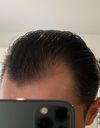
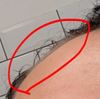
The user is deciding between a hair transplant and using minoxidil for hair loss. Another user suggests using minoxidil, finasteride, and engaging in physical activity.
The user seeks advice on making hair look healthier, mentioning past use of finasteride after a hair transplant. They request recommendations for nourishing shampoo/conditioner, hair growth vitamins, a good hair oil, and a natural method to cover greys.
A user shared their positive experience with hair regrowth after two years of using finasteride, reporting no side effects. Other users discussed their experiences, including side effects like gynecomastia, and shared advice on managing potential risks.
The user experienced hair regrowth with oral Minoxidil, dandruff shampoo, topical Nanoxidil, and Revita Shampoo but lost progress after stopping Nanoxidil temporarily. They are now using topical Nanoxidil and oral dutasteride but are experiencing increased shedding and are unsure whether to continue or revert to their original regimen.
Hair loss research is important and contributes to overall scientific advancement, benefiting emotional well-being and potentially aiding other medical fields. Treatments mentioned include PP405 and SCUBE3.
A user shared their 7-month progress after a hair transplant, using dutasteride and minoxidil to maintain native hair. The transplant was done in Juarez, Mexico, and the user noted that medication is still necessary to prevent further hair loss.
A user shared their experience with hair loss and a hair transplant at the Scandinavian Hair Institute, using finasteride every other day as part of their regimen. They expressed satisfaction with the transplant results and decided against using minoxidil due to its inconvenience and potential side effects.
A 20-year-old has been using finasteride and minoxidil for hair loss, with finasteride slowing hair loss but no noticeable regrowth from minoxidil. They are considering switching to oral minoxidil and dutasteride for better results.
Hair loss may be linked to thyroid issues, with some individuals noticing changes in hair texture when taking substances affecting the thyroid. Treatments mentioned include a topical mix of finasteride, minoxidil, and tretinoin, along with microneedling.
Hair restoration treatments like finasteride, minoxidil, dutasteride, and hair transplants can greatly enhance self-image and dating life. Opinions differ on whether to embrace baldness or pursue treatments for maintaining hair.
Excess sebum rich in cholesterol and triglycerides can lead to hair loss through inflammation, with treatments like Ciclopirox shampoo, Benzoyl Peroxide shampoo, and Clindamycin gel recommended for managing conditions like seborrheic dermatitis and folliculitis. Pioglitazone is suggested for Lichen Planopilaris, while Omega-3s and reducing processed foods may improve sebum quality, though genetic factors play a significant role.
The conversation is about hair regrowth progress using Minoxidil and Finasteride. The user reports improved hair fallout but still experiences significant hair loss.
The user switched from finasteride to dutasteride for hair loss but faced increased shedding and anxiety, regretting not staying with finasteride longer. Other users shared mixed experiences, advising patience with dutasteride, as it may take up to a year to show results.
Hair regrowth treatments are effective in mice but not yet available for humans. The discussion humorously highlights frustration over this disparity and mentions a project to genetically modify elephants to resemble mammoths.
Hair loss significantly affects men's confidence and mental health. Common treatments include finasteride, dutasteride, and minoxidil, with some considering hair transplants.
The conversation discusses a hair loss journey using Minoxidil, finasteride, and RU58841. The user shares progress pictures and experiences with these treatments.
Hair loss can be managed by acting early, using treatments like Minoxidil, finasteride, and possibly dutasteride, along with lifestyle changes such as using sulfate-free shampoos and eating protein-rich foods. Consulting a dermatologist and considering microneedling, vitamins, and anti-fungal shampoos are also recommended.
A 19-year-old male started taking 1.2 mg finasteride and 3 mg minoxidil orally for hair thinning, noticing no shedding and some new baby hair but concerns about overall hair thinning. Users advised patience, suggesting thinning might be due to shedding, which is a normal part of the treatment process.
A user is developing a tool to track hair density, aiming to help those using treatments like minoxidil. They seek feedback on the tool's usefulness and are considering a low-cost model to cover expenses.
Hair loss treatments like finasteride, minoxidil, dutasteride, and RU58841. Users suggest hair fibers for temporary coverage and consider hair transplants for permanent solutions.
The user experienced significant hair growth using Hims chewable tablets containing finasteride and minoxidil but switched to a topical spray due to side effects from finasteride. The user reported improved side effects after switching to the topical form and noted continued hair growth progress.
Hair loss treatments like finasteride, minoxidil, and hair transplants are more accessible and effective now. Concerns about side effects and skepticism about new treatments like hair cloning and GT20029 remain.
Hair transplants for NW7 individuals are challenging due to limited donor hair, often resulting in thin coverage unless body or beard hair is used. Treatments like minoxidil and finasteride are mentioned to support hair density and growth.
The user experienced significant hair regrowth using minoxidil, finasteride, and Nizoral shampoo, with initial shedding but eventual improvement. They plan to continue the treatment after regaining lost progress from stopping minoxidil.
The conversation is about a user concerned about hair thinning despite using finasteride, minoxidil, RU58841, and recently adding dutasteride. Most responses suggest there is no noticeable difference in hair loss, attributing concerns to paranoia, and recommend continuing the current treatment or adjusting expectations.
The user shared their hair regrowth journey using topical minoxidil and finasteride since December 2021, experiencing shedding phases but ultimately achieving positive results by sticking with the treatment. They advise others to continue with their regimen despite shedding, as it can be a sign of the treatment working.
The user experienced significant hair density improvement over seven months using finasteride, topical minoxidil, Nizoral shampoo, and supplements like biotin and vitamin D. They also used a derma stamp with rosemary and peppermint oil, noting no side effects from finasteride.
Hair transplants and hair loss treatments like oral Fin and Min are discussed, with some humor about public figures' hair. Missing a single day of these treatments typically has little impact, but longer gaps can affect results.
The user experienced hair loss after a hair transplant and stopped using finasteride and minoxidil temporarily, as advised by their medical team. They resumed the treatments and are hopeful for regrowth, attributing the current hair loss to shock loss and shedding.