Feeding bacteria-free mice with Lactobacillus murinus worsened hairloss, but a regular diet with biotin stopped it. The conversation suggests gut bacteria and diet may influence hairloss, with some skepticism and discussion about other factors like DHT and genetics.
The conclusion of the conversation is that the user should consider using treatments such as finasteride, minoxidil, and RU58841 to potentially reverse their hairloss. Other suggestions include using hairloss concealers and maintaining a healthy diet.
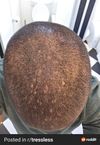
The user noticed small circular hairless spots after a buzz cut and has been using finasteride, dutasteride, and oral minoxidil for hairloss. They are experiencing continuous shedding and thinning, and it is suggested they consult a dermatologist for a scalp examination and possible biopsy to determine if it's alopecia areata or androgenetic alopecia.
The user is experiencing a strange hairlosspattern despite using dutasteride for 3 years and minoxidil with tretinoin for 1.5 years. They recently added microneedling and are considering a scalp biopsy to understand the cause.
Female experiencing hairloss for 10 years used 50mg Spironolactone and 5% minoxidil with decent results. Recently had massive shedding, but blood tests were fine and still taking original medications.
A 25-year-old male experienced significant hairloss due to telogen effluvium and androgenetic alopecia. He began using finasteride, minoxidil, and vitamins, seeing some regrowth but remains worried about hair density.
Zinc pyrithione and ketoconazole shampoos may help reduce hairloss by removing DHT from the scalp. Users discuss various treatments, including minoxidil, finasteride, and non-pharmaceutical options like castor oil and dermarolling.
A user with female patternhairloss who tried minoxidil and various oils and supplements, but saw results only after taking iron tablets. The conversation also offered advice to get blood tests done to see if there are underlying issues causing the hairloss.
Sugary beverages increase the risk of patternhairloss in men by 57%, and type 2 diabetes is linked to female patternhairloss. Reducing sugar intake and using treatments like finasteride and minoxidil may help manage hairloss.
The user's experience of using Finasteride 5mg and Aldactone 50mg to treat Female PatternHairLoss, as well as their use of PRP injections for further hair growth.
Spironolactone is more potent and lowers testosterone and DHT, while dutasteride only impacts DHT. For female hairloss, checking hormones and considering treatments like oral minoxidil, spironolactone, or topical minoxidil is recommended.
A dental technician claims malocclusion causes patternhairloss due to poor scalp circulation. Users debate this, noting treatments like finasteride, minoxidil, and microneedling focus on DHT and blood flow.
Excessive sugar and high-fat diets are linked to male patternhairloss, with sweet beverages being a significant factor. Moderation in diet is advised, as diet alone may not fully prevent hairloss due to other factors like DHT sensitivity.
Creatine is not proven to cause hairloss, but some report increased shedding, especially with male pattern baldness. Finasteride or minoxidil are suggested to counteract potential hairloss while using creatine.
The conversation discusses hairloss treatments, focusing on insulin resistance, microneedling with topical melatonin, and stress reduction. Users express skepticism about the advice, preferring proven treatments like minoxidil and finasteride, while some mention alternative methods like dermal incisions and verteporfin for reducing fibrosis.
DHT is not the only cause of male patternhairloss; genetic sensitivity, inflammation, and fibrosis also contribute. GHK-Cu, a copper peptide, is being explored as an alternative treatment to finasteride and minoxidil, showing potential in improving follicle health.
Excessive sugar consumption may contribute to male patternhairloss by increasing androgen sensitivity and insulin resistance, but genetics play a significant role. Treatments like minoxidil and finasteride are suggested for managing hairloss, while reducing sugar intake and maintaining a healthy lifestyle may help mitigate its progression.
User "kingkaurr" shaved head due to female patternhairloss and feels happy and confident. Others compliment her look and discuss how head shaving is perceived differently for men and women.
A 25-year-old woman is experiencing hairloss and is unsure if it's due to iron deficiency or female pattern baldness, as diagnosed by her dermatologist. She is considering using Minoxidil but is hesitant and seeks advice on whether increasing her iron levels could help.
The conversation is about a user considering the use of Ketoconazole 2% shampoo before showing signs of male pattern baldness (MPB) to potentially delay its onset, inspired by a YouTuber who uses the shampoo to reduce scalp DHT levels. The user's interest in this preventative measure stems from a family history of MPB.
Minoxidil 0.5% MMP® showed better results in parietal-vertex regions for less advanced female patternhairloss compared to Minoxidil 5%. MMP® with Minoxidil can improve the quality of life for these patients.
Finasteride, dutasteride, and minoxidil are discussed as treatments for male pattern baldness. Finasteride and dutasteride are effective DHT blockers, while minoxidil is necessary for regrowth but must be used consistently.
Hairloss treatments for female pattern baldness, with the user focusing on wigs as an effective solution; they also discussed the difference between cheap and real wigs, and the importance of returning to confidence and self-esteem when tackling alopecia.
Dutasteride is likely the most effective treatment for male pattern baldness, followed by finasteride and minoxidil in various forms and dosages. Users discuss personal experiences, dosages, and potential side effects, with some considering combining treatments for better results.
Using hairloss treatments such as Minoxidil and Finasteride to combat male pattern baldness, with the poster expressing hope in regaining confidence and security. Replies offer advice, anecdotes, and support for the user's efforts.
The user experienced hairloss diagnosed as chronic Telogen Effluvium and male pattern baldness, treated with finasteride and minoxidil, later switching to dutasteride due to side effects but with limited success. The user plans to return to finasteride due to side effects from dutasteride, while others suggest maintaining consistent treatment and considering additional options like oral minoxidil and lifestyle changes.
A 20-year-old male has been experiencing hairloss for three years due to a vitamin D deficiency and has seen no improvement after 3.5 months of taking supplements. Another person suggested that if the hairloss follows a pattern, it might be regular baldness rather than due to the deficiency.
Various peptides are discussed for treating male pattern baldness, with some available for topical use like GHK-Cu and Ac-KGHK, while others remain in research stages. Users are interested in experiences and sourcing these treatments.