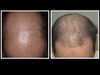
Amplifica starting clinical trials for new hair loss drug. SCUBE3 protein discovered, stimulates hair growth, could be alternative to Minoxidil and Finasteride.
The user is considering switching from finasteride to dutasteride due to continued hair loss and lack of improvement after 8 months. They plan to add minoxidil and are advised to give treatments more time, as progress can take years.
Taking steps to improve hair loss through treatments such as finasteride, minoxidil and ketoconazole. People discussed their experiences and shared a sense of satisfaction from taking action to improve their condition.
Stress can lead to hair loss by affecting hair-follicle stem cells, and this loss is harder to recover from if one has male pattern baldness (MPB). Treatments like finasteride and minoxidil are used to address hair loss, but stress-related hair loss differs from androgenic alopecia.
Steve Carell's hair transformation from Season 1 to Season 7 of "The Office" is attributed to a possible hair transplant and changes in styling. Discussions also mention the use of treatments like Propecia and Accutane for skin and hair issues.
Oleic acid, microneedling, and emu oil are discussed as potential hair growth treatments, with some users expressing skepticism about their effectiveness. Minoxidil and finasteride are recommended as current reliable treatments until more proven solutions are available.
The conversation is about Jordan Peterson allegedly getting a hair transplant, with various users mocking his way of speaking and debating the ethics of him potentially hiding the procedure. Some users discuss the natural look of the transplant and the implications of getting one at an older age.
The user experienced positive hair regrowth after 8 months and 3 days of using finasteride (1.2 mg) and minoxidil chews (3 mg) with no side effects. Other users discussed their experiences with similar treatments, including different dosages and forms, and shared advice on obtaining prescriptions.
Hair loss treatments discussed include Minoxidil, Finasteride, microneedling, red light therapy, and biotin pills. The most proven treatments are Minoxidil, Finasteride, and microneedling, while other methods are considered less effective or satirical.
The user is experiencing hair regrowth with oral minoxidil and dutasteride but still has fragile hairs that easily pluck out from the front center. Despite improvements, the user is concerned about the persistent fragility and shedding of these hairs.
A user's successful hair loss treatment using ketoconazole shampoo, 0.5mg finasteride, and 5% liquid minoxidil. They noticed significant results after 4 months, with reduced hair fall observed earlier.
Researching the effects of scalp trauma on hair growth, with some users suggesting experimenting with a soldering iron or derma pen, and others bringing up studies that suggest this may be an effective treatment.
Treatments for hair loss, including microneedling (dermarolling and dermapen) and the use of minoxidil, finasteride, and RU58841. It provides detailed information about cost and usage of the various treatments, as well as potential side effects.
A woman experienced increased body hair and acne with minimal hair improvement after switching from topical to oral minoxidil. Suggestions included reducing the oral dose, trying spironolactone, returning to topical minoxidil, or considering laser treatment for body hair.
The user experienced significant hair growth after using minoxidil 5% and finasteride 1.25mg daily for three months, despite initial shedding. They noted improved hair density, especially at the temples, and plan to manage excess hair growth on the forehead.
Finasteride and minoxidil are effective for hair loss, with many users finding them manageable as part of a daily routine. Costs can be reduced by purchasing generic versions, and while some users express concerns about long-term use, most agree the benefits outweigh the inconvenience.
The post discusses the user's experience with topical minoxidil (5%) for hair loss, showing some improvement after 2 months. Suggestions from others include keeping the hair shorter on the sides and back, adding finasteride for better results, and considering a shaved head look, though the latter was debated for its femininity.
The user shared their one-year progress using 5% topical minoxidil and 1mg oral finasteride, reporting good results with some shedding phases. They experienced no side effects and noted improved hair density, especially in the frontal area.
Microneedling can cause sneezing and eye tearing due to nerve stimulation, particularly near the temples and forehead. Some users find it lessens over time, while others prefer using finasteride and minoxidil for hair growth.
Minoxidil is more effective when combined with retinoic acid, such as tretinoin or tazarotene, enhancing hair growth. Some users experience significant regrowth, while others see minimal effects or side effects.
Despite using 5% minoxidil, 0.1% finasteride, and other treatments like microneedling, MK-677, and Cialis, hair loss continues with high testosterone and DHT levels. Considering oral dutasteride but concerned about further increasing testosterone levels.
The user, Salty-Peace-577, shared their 5-month update on using 0.5mg oral finasteride and 2.5mg oral minoxidil for hair loss. They experienced significant hair growth, particularly in their eyebrows, and shared their regimen and tips for hair growth. Some users in the conversation also discussed the side effects they experienced with different dosages of the medications.
The user is concerned about regrowing a plucked widow's peak and is considering using Minoxidil. They have been using the Growplex pack for a month without noticeable results.
The conversation humorously speculates that bald Grey Aliens might be future humans who haven't solved baldness, despite advanced technology. Treatments like microneedling, minoxidil, and finasteride are mentioned as potential solutions.
The conversation discusses hair color change and shedding, questioning if it's due to Telogen Effluvium or Androgenetic Alopecia (AGA). Treatments mentioned include Minoxidil, finasteride, and RU58841.
A 45-year-old from Lahore, Pakistan, shares their 7-month hair growth progress after starting a new hair regeneration treatment. Previous treatments with minoxidil and finasteride showed no progress.
After a 1,200 graft hair transplant and using minoxidil and finasteride, the user's hair initially improved but later thinned and changed texture. They are seeking advice on this issue and have a dermatologist appointment scheduled.
A user shared their experience with hair regrowth using supplements like NAC and DIM, and briefly using minoxidil with microneedling. They reported some improvement in hair density, but the community questioned the effectiveness compared to traditional treatments like finasteride.