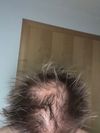
Whey protein does not cause hairloss; concerns are likely unfounded. The user is on finasteride and minoxidil but sees no improvement, so they are phasing out these treatments while continuing to work out and use whey protein.
A 37-year-old with a receding hairline started using finasteride and plans to add minoxidil, concerned that creatine and whey protein might accelerate hairloss. Another user suggests these supplements likely don't increase testosterone or cause hairloss, advising to monitor personal experience.
Hairloss may be linked to the TRPS1 gene and protein, not just DHT. Amplifica's AMP-303 targets mesenchymal stem cells and shows promise in treating hairloss, unlike Pelage's PP405.
Whey protein is unlikely to cause hairloss, and some users suggest it might be beneficial if dietary protein is insufficient. Hairloss is generally considered genetic, and there is skepticism about the dermatologist's advice to switch from whey protein to whole foods.
The conversation discusses whether whey protein and creatine worsen hairloss. Some users report hairloss with creatine use, while others do not; opinions on whey protein's effects are mixed. Treatments mentioned include PRP, minoxidil, and finasteride.
A user is experiencing genetic hairloss and is using spironolactone and minoxidil without success. They are considering switching to vegan protein powder due to digestive issues and are concerned if it will worsen hairloss.
Hairloss can be managed by acting early, using treatments like Minoxidil, finasteride, and possibly dutasteride, along with lifestyle changes such as using sulfate-free shampoos and eating protein-rich foods. Consulting a dermatologist and considering microneedling, vitamins, and anti-fungal shampoos are also recommended.
The conversation discusses hairloss and the potential impact of diet and lifestyle changes, particularly increased protein intake, on hair health. The original poster shared their experience of improved hair appearance after weight loss and dietary changes, despite skepticism from others about lighting differences in photos and the effectiveness of diet alone without finasteride or minoxidil.
The user started using ketoconazole shampoo and whey protein shakes and noticed increased hair shedding, seeking advice on whether these could be the cause. Another user shared their experience with hairloss after starting protein shakes and mentioned using finasteride, which eventually improved their hair condition.
Hairloss treatments, with people sharing their experiences of trying to get help from family members and how genetics can affect the severity of hairloss. Treatments mentioned include finasteride, minoxidil, RU58841, scalp massage, whey protein and bleaching.
Protein's role in hair growth is complex, with specific amino acids like cysteine being crucial for effective hair growth. Users discussed using l-cysteine supplements, noting reduced hairloss and faster growth, though some experienced digestive issues.
Amplifica starting clinical trials for new hairloss drug. SCUBE3 protein discovered, stimulates hair growth, could be alternative to Minoxidil and Finasteride.
Creatine may increase DHT levels, potentially leading to hairloss, but whey protein and BCAAs are generally considered safe for hair. Finasteride can mitigate creatine's effects on hairloss.
Creatine may increase hairloss in those with male pattern baldness (MPB) due to increased DHT, but whey protein generally does not affect hairloss. Finasteride and minoxidil are used to manage hairloss, and some users report increased shedding with creatine but not with whey protein.
Vitamin E is praised for improving hair and skin, especially by someone who changed their lifestyle. Opinions differ on the impact of animal-based proteins on hair health.
Factors that can cause hairloss other than DHT, such as inflammation and diet, and potential treatments like scalp massages, minoxidil, citrulline, stretches, meditation, iron sulfate/Vitamin C, Vitamin D, protein and Dutasteride.
A potential non-invasive topical treatment targeting the WNT Signaling Pathway for hair regeneration is being researched, with positive results on human hair follicle cells. Current effective treatments for hairloss include Minoxidil, finasteride, and hair transplantation.
Scientists claim a combination of caffeine, two proteins, and Centella asiatica extracts can cure hairloss, but skepticism remains due to past unfulfilled promises. Users discuss various treatments like minoxidil, finasteride, and microneedling, expressing doubt about the effectiveness of new methods.
Osteopontin, a protein involved in hair growth on moles, may help with hairloss. However, it is also linked to Alzheimer's, cancer, and bone development, so caution is advised.
Whey protein may slightly increase hairloss in men with androgenetic alopecia (AGA) due to elevated IGF-1 and testosterone levels, but the effect is minimal compared to treatments like finasteride and dutasteride. Many users argue that whey protein's impact on hairloss is negligible and that maintaining a healthy lifestyle is more important.
Whey protein and BCAAs may increase testosterone levels, potentially accelerating hairloss, but opinions vary on their impact. Some users suggest monitoring diet and hair health, while others believe the effect is minimal compared to DHT's role in balding.
The conversation discusses hairloss concerns, with suggestions to use finasteride (Fin) and minoxidil (Min) as treatments. Stress, creatine in protein shakes, and male pattern baldness are considered potential factors.
The individual reversed their hairloss using oral dutasteride and topical minoxidil, and experienced side effects including low libido, tiredness, and brain fog. They started treatment at age 26 and have a high-protein diet and exercise regularly.
A user shared their experience with hairloss and recommended supplements like magnesium, vitamin D, vitamin C, zinc, iron, and protein, along with using a dermaroller. They noted benefits such as accelerated fat loss, muscle growth, better digestion, increased testosterone, and improved hair and skin quality.
A user asked if adding rosemary oil to a herbal hair lotion would be beneficial for preventing future hairloss and maintaining hair health. The lotion already contains various ingredients like seed extracts, proteins, and vitamins.
User considers trying AAPE for hair restoration, costing $700 for 6 months. Others discuss its potential effectiveness and mention a study with promising results.
Rapid weight loss may have triggered increased hair shedding. Continuing with finasteride, microneedling, a healthy diet, and supplements like MSM and vitamin B is advised, but results may take 6-12 months.
Hairloss significantly impacts self-perception and attractiveness, with treatments like finasteride, minoxidil, and hair transplants suggested. The conversation highlights the emotional struggle and societal perceptions tied to hairloss.
Hairloss involves more than just DHT, with genetic factors like TRPS affecting hair follicles. Treatments such as Amplifica's AMP-601 and AMP-303 target stem cells for potential hair growth solutions.