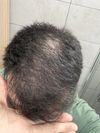
PP405 shows promise for hair follicle reactivation with minimal side effects. Users recommend continuing Minoxidil and Finasteride until more results are confirmed.
A 44-year-old experienced hair regrowth after a snowboarding injury using detox, diet changes, vitamins, collagen, krill oil, and scalp massages, without Minoxidil or finasteride. Another person was skeptical, suggesting these methods may not work for everyone.
The conversation discusses improvements to a platform and mentions hair loss treatments including Minoxidil, finasteride, RU58841, and melatonin. It also highlights the addition of features like Google login, reply by email, keyword extraction, and a term glossary for better understanding of hair-related terminologies.
Doctors are testing verteporfin topically for healing and potential regeneration after transplants. The user is asking how it is formulated for topical use, such as if it's mixed with a carrier gel.
The conversation discusses the lack of significant advancements in hair loss treatments since the introduction of finasteride 22 years ago, with many expressing frustration over the failure of new projects and skepticism about future developments. Some users mention hair transplants and other potential alternatives like Alfatradiol and Fluridil, but acknowledge finasteride's dominance in the market due to its effectiveness and affordability.
Stem cell and exosome injections for hair loss are discussed, with skepticism about their effectiveness and concerns about using non-genetically related stem cells. Dr. Deyarmin's treatments are mentioned, with some users questioning their legitimacy and others expressing curiosity.
User experienced hair loss improvement after 7 months using finasteride, zinc, vitamin D, minoxidil, and microneedling. Others praised the progress and discussed the importance of zinc and vitamin D in hair health.
The conversation discusses hair regrowth treatments using finasteride, minoxidil pills, and topical minoxidil, with a focus on the use of a 1.5mm derma roller. Users advise caution with derma rolling, suggesting smaller needle sizes and longer intervals between sessions to avoid skin damage and systemic absorption of minoxidil.
The user saw significant hair regrowth using topical minoxidil and finasteride, even on areas not directly treated. They used local Algerian products with 5% minoxidil and 0.1% finasteride and reported no side effects.
A 35-year-old is seeking advice on hair loss treatments, considering minoxidil, finasteride, and possibly a hair transplant in Turkey. They have previously tried microneedling for a year.
The user is experiencing thicker hair after using oral minoxidil, dutasteride, biotin, collagen shampoo with rosemary, and ketoconazole. They are considering adding a derma roller to their regimen for potential benefits.
CRISPR Cas9 could potentially treat baldness by targeting specific genes in hair follicles without affecting other body functions. There is optimism about its future use, despite ethical concerns and the current reliance on treatments like minoxidil and finasteride.
Federal funding cuts have delayed PP405 research, affecting hair loss treatment progress, though clinical trials will continue. The discussion highlights PP405's potential compared to minoxidil and finasteride and stresses the importance of government-funded research.
The user had a hair transplant with Estenove, rating the overall experience 6/10 due to logistical issues, unmet expectations, and dissatisfaction with the results. They advise against pricier packages and express regret over the asymmetrical hairline, despite good customer service and post-op care.
PP405 is a new hair loss treatment showing early promise with a 20% hair density increase, but skepticism exists due to past failures of similar treatments like Pyrilutamide, RU58841, and Bimatoprost. Users debate its potential effectiveness, with some hopeful due to Google's involvement, while others urge caution without more evidence.
People with hair loss experience emotional struggles and body dysmorphia. Treatments like minoxidil, finasteride, and dutasteride are used, but results vary and can take time.
Avoid burning or scarring the scalp for hair growth; instead, use treatments like finasteride, minoxidil, or consider a hair transplant. Microneedling should be done carefully, and extreme methods can cause harm.
The user experienced increased hair density and thickness after 3-4 months using finasteride, minoxidil, dermastamping, ketoconazole, and biotin. They apply minoxidil right after dermastamping without any side effects or shedding.
The user treated their hair loss with daily finasteride, nightly minoxidil, weekly derma rolling, biotin, and ketoconazole shampoo. They believe consistency is key and that micro needling and minoxidil were the most effective.
A person shared their 3-month hair regrowth progress using 1mg finasteride daily, a topical solution with finasteride, minoxidil, and tretinoin, and weekly microneedling. They regret not starting treatment earlier, and a reply agrees that early treatment is beneficial.
The post and conversation discuss Verteporfin's potential as a hair loss treatment. It's shown promise in regrowing hair after transplants and might be effective with microneedling.
Microneedling may enhance hair regrowth by transferring stem cells to dormant follicles, improving the effects of minoxidil. Users discuss using microneedling with needle lengths around 1.5mm to stimulate hair growth.
Treatments for hair loss, including microneedling (dermarolling and dermapen) and the use of minoxidil, finasteride, and RU58841. It provides detailed information about cost and usage of the various treatments, as well as potential side effects.
A South Korean company, Therazyne, has developed a promising hair loss treatment using a WNT chain surrogate that binds to Frizzled 7, with human follicle testing expected soon. Current treatments like minoxidil and finasteride are not seen as cures, and while optimism exists for future solutions like PP405, approval processes are lengthy.
The user experienced significant hair regrowth after 6 months using oral finasteride, topical minoxidil, and a derma pen once a month. The results were impressive, with many users commenting on the transformation and asking about the specific routine and any side effects.
A user experienced significant hair regrowth using Minoxidil but started shedding hair after switching brands and adding treatments like Topical Finasteride and microneedling. They also faced increased hair loss after using Ketoconazole shampoo and are seeking advice on whether brand switching or the shampoo could be the cause.
A user shared their positive experience with hair regrowth using finasteride and minoxidil, noting improvements in hair thickness and confidence. They also mentioned using a dermaroller and managing side effects, while others in the conversation shared similar experiences and advice on hair loss treatments.
The conversation is about the potential of the RCH-01/Replicel hair loss treatment and its lack of updates since 2013, with the user expressing hope for its success and considering using Minoxidil, finasteride, and dermarolling in the meantime. Other treatments mentioned as promising are Breezula and Tsuji.
PP405 shows promise in stimulating new terminal hair growth by activating dormant follicles, with no systemic adverse effects observed in a short-term trial. However, long-term efficacy remains unproven, and further trials are needed to confirm its potential as a hair loss treatment.
A 21-year-old is using oral finasteride, minoxidil, and vitamins to address hair loss, showing some progress after two months. Many suggest shaving his head for a better appearance and easier progress tracking, while continuing the treatment and considering additional options like microneedling and Nizoral shampoo.