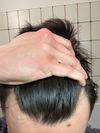
The user is using caffeine shampoo with baicapil, microneedling, massage, and procapil lotion for hair loss. Replies suggest the user is balding and recommend finasteride.
A 20-year-old male has been experiencing hair loss for three years due to a vitamin D deficiency and has seen no improvement after 3.5 months of taking supplements. Another person suggested that if the hair loss follows a pattern, it might be regular baldness rather than due to the deficiency.
The conversation is about a 17-year-old experiencing severe hair thinning and the advice given is to see a dermatologist or doctor to check for underlying health issues or to start treatment early if it's male pattern baldness.
A hair journey of someone who started using Minoxidil, Finasteride and Dutasteride to treat their Androgenic Alopecia. The user reported successful results with the medication, including compliments from strangers.
The user stopped finasteride for family planning but plans to restart it and is considering dutasteride. Users discuss the safety of finasteride during family planning, with some sharing experiences of having healthy children while on the medication.
A 32-year-old noticed thinning hair and started using minoxidil 5% daily without worsening. They seek advice on tracking hair loss progress with photos.
The user is experiencing hair loss despite using oral dutasteride for 7 months and topical minoxidil for 3 months. They are concerned about miniaturization and question if the current minoxidil application is less effective without the previous finasteride mix.
Finasteride and Minoxidil can maintain hair and slow hair loss for many years, but individual results vary, and some may eventually need a hair transplant. Starting treatment early increases the chances of maintaining hair without needing a transplant.
A 31-year-old man feels depressed due to hair loss, using topical finasteride and previously tried minoxidil. Others suggest treatments like finasteride, minoxidil, hair transplants, or embracing baldness, highlighting the importance of mental health and self-acceptance.
Hair loss is linked to DHT, with treatments like finasteride and minoxidil being common but not definitive. Economic interests influence research, and there is potential for new treatments like PP405 and RU58841.
Hair fibers can effectively cover thinning hair when used with minoxidil and hairspray but require daily application and can be inconvenient in certain conditions. Some users prefer treatments like finasteride, dutasteride, microneedling, or wigs due to the maintenance and limitations of hair fibers.
Hair loss is emotionally challenging, but acceptance and focusing on other life aspects are important. Treatments like finasteride, minoxidil, and RU58841 are discussed, with emphasis on the emotional impact over physical changes.
Hair transplants cost more in the U.S. than in Turkey, but quality varies. Proper research is essential, as aggressive transplants can exhaust donor hair, and finasteride only slows hair loss.
Hair restoration treatments like finasteride, minoxidil, dutasteride, and hair transplants can greatly enhance self-image and dating life. Opinions differ on whether to embrace baldness or pursue treatments for maintaining hair.
Hair follicles can be dormant and potentially revived with treatments like finasteride and minoxidil, but irreversible loss occurs if certain structures are destroyed. Early intervention is more effective, and additional methods like microneedling may help.
A 31-year-old who experienced severe hair loss during medical school tried various treatments, including topical and oral finasteride and minoxidil, but stopped due to side effects. They restarted treatment 10 months ago with a regimen including topical finasteride, minoxidil, retinoic acid, hydrocortisone, oral minoxidil, and light therapy, emphasizing the importance of consistency and skincare.
A user shared their positive hair transplant experience at Hairtran Clinic in Thailand, costing about $3600 for 3545 grafts, and mentioned being on oral finasteride and minoxidil for six months. Other users confirmed good results with the same clinic, noting it takes around six months to see significant improvement.
Hair loss treatments, specifically finasteride and minoxidil, being used by wealthy individuals to combat their genetic predisposition to baldness. It also discussed other potential treatments such as RU58841 and dutasteride.
Hair loss treatments, specifically the use of oral minoxidil in combination with micro-needling. Oral minoxidil has been found to improve hair density in 90% of patients with a low side effect profile, but using 5mg per day can result in higher side effects including hypertrichosis and edema. Other treatments mentioned include finasteride and RU58841.
Hair loss treatments like finasteride, minoxidil, ketoconazole, PRP, and microneedling helped maintain hair for 20 years. Research and try evidence-based treatments for best results.
The user shared a 6-month update on their hair transplant progress, noting they still use oral minoxidil and dutasteride daily. They are pleased with the results but observe increased hair shedding during showers.
A 35-year-old shared a 2-month update on their hair transplant of 3153 grafts, noting redness, itching, and some pimples, while using finasteride for over 12 years to maintain hair. Users discussed the effectiveness and timing of starting finasteride, with some suggesting consulting a doctor for young individuals considering the treatment.
A 17-year-old is using topical minoxidil for hair loss and is considering other treatments like ketoconazole shampoo and saw palmetto while waiting to start finasteride at 19. Suggestions include using oral minoxidil, topical antiandrogens like RU58841, and CB-03-01, with a focus on minimizing systemic DHT impact.
A 24-year-old with mild temple recession is using 5% minoxidil without noticeable effects and has started topical finasteride but is anxious about potential side effects. They are considering a specialist visit for peace of mind despite the cost.
Ketoconazole shampoo can be very drying, especially for curly hair, and may not be suitable for those who need to maintain moisture. Some users suggest using oils or masks to mitigate dryness, while others recommend avoiding it unless necessary for conditions like dandruff.
Creatine may cause hair thinning for some, but experiences vary. Some users on finasteride report no hair loss from creatine, while others notice shedding that reverses after stopping creatine.
A user stopped hair loss by eating organic pumpkin seeds daily, despite previously using minoxidil and finasteride. They suggest others try pumpkin seeds, noting potential benefits for hair growth, especially for women.
The user experienced hairline recession despite using topical finasteride/minoxidil and is considering whether misapplication was the cause. They are exploring options after experiencing side effects from oral finasteride, including possibly returning to the topical formulation with adjusted application methods.
The user underwent two hair transplants, started taking finasteride, oral minoxidil, and dutasteride, and began micro-needling to improve hair density and manage hair loss. They also focused on curly hair care techniques, resulting in noticeable improvements in the hairline and overall appearance.