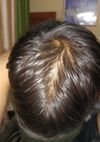
The conversation discusses affordable hair loss treatments, including topical finasteride, minoxidil, tretinoin, and natural remedies like castor and peppermint oil. Specific treatments for hair loss are the focus.
Botox may help with hair loss by reducing muscle tension and inflammation, potentially lowering DHT levels. Regular sessions might be needed, and it could also help with migraines.
A user shared their hair loss journey from 2017 to 2024, detailing the use of finasteride, minoxidil, dutasteride, supplements, and dermarolling. They experienced significant hair loss after stopping finasteride in 2017, saw some regrowth after resuming treatments in 2023, and are considering a hair transplant.
A 25-year-old woman with androgenic alopecia is experiencing hair dryness and damage after using topical minoxidil and Nizoral. She is advised to reduce washing frequency, use a bond builder like K18, apply a silicone-based serum, and consider using a shower filter and different oils like argan oil for better hair health.
A satirical discussion on intentionally inducing hair loss using harmful habits and substances like cigarettes, junk food, anabolic steroids, and stress. The conversation humorously suggests extreme measures like chemotherapy and hydrofluoric acid, while also mentioning the ineffectiveness of sulfates and pumpkin seed oil in hair loss prevention.
The user shared their hair regrowth journey using topical minoxidil and finasteride since December 2021, experiencing shedding phases but ultimately achieving positive results by sticking with the treatment. They advise others to continue with their regimen despite shedding, as it can be a sign of the treatment working.
A user shared their experience with hair regrowth using supplements like NAC and DIM, and briefly using minoxidil with microneedling. They reported some improvement in hair density, but the community questioned the effectiveness compared to traditional treatments like finasteride.
The user is using Minoxidil, Finasteride, a dermaroller, vitamin D, and anti-hair loss shampoo for hair loss treatment. There is some vellus regrowth, and shedding may indicate future terminal hair growth.
A person shared their hair regrowth journey using HIMS topical treatments with finasteride, minoxidil, hormone replacement therapy (HRT), and microneedling. They also discussed their transition as a transgender woman and the positive impact of HRT on hair recovery.
People are using finasteride, minoxidil, and dutasteride for hair thinning, with some recommending oral forms. Other products like IntelliGent shampoo, CeraVe 1% zinc shampoo, and conditioners are mentioned, but they are seen as supplemental to DHT blockers.
A 25-year-old shared their 9-month hair regrowth journey using oral minoxidil, finasteride, a topical hair serum, microneedling, and ketoconazole shampoo. They experienced significant improvement in hair density and health, emphasizing the importance of consistency in treatment.
Ketoconazole shampoo can be very drying, especially for curly hair, and may not be suitable for those who need to maintain moisture. Some users suggest using oils or masks to mitigate dryness, while others recommend avoiding it unless necessary for conditions like dandruff.
A 25-year-old is experiencing hair thinning despite using oral minoxidil, finasteride, and dutasteride, and is considering adding topical minoxidil. They also have seborrheic dermatitis and are advised to try ketoconazole shampoo or cream and possibly CBD with MCT oil.
A 28-year-old male is concerned about hair loss and is considering starting oral minoxidil now and finasteride after having more children due to fertility concerns. He is worried about losing more hair if he waits four years to begin treatment.
The user stabilized hair loss with oral finasteride, dutasteride, and topical minoxidil, and underwent a stem cell and PRP procedure. Recent increased hair shedding may be due to restarting dermarolling, affecting minoxidil absorption, or the waning effects of the stem cell treatment.
A user experienced worsened hair condition after a PRP session and is considering stopping further sessions. They are using a Dermapen, electric massage, iron, saw palmetto, and plan to start minoxidil, but have had side effects with finasteride and are advised to consider dutasteride under medical supervision.
Hair follicles often go dormant rather than die, and treatments like minoxidil can help revive them. Scalp health and stimulation, such as massages and using products like sulphur soap, are also important for hair regrowth.
An 18-year-old male is experiencing hair loss and is using topical minoxidil and oral finasteride. He is concerned about continued shedding, mild sexual side effects, and whether to adjust his finasteride dosage.
The conversation discusses the effectiveness of natural remedies like scalp massages and oils for hair loss, with some users advocating for proven treatments like minoxidil and finasteride. The original poster prefers natural methods, while others argue that pharmaceuticals are more effective in combating hair loss.
A 32-year-old man from Vietnam, at Norwood 7 hair loss, is using Minoxidil, Finasteride, rosemary oil, NMN, and CoQ10 to regrow hair. Despite minor improvements, alternatives like hair systems or accepting baldness are suggested due to advanced hair loss.
After a hair transplant, the user is concerned about not seeing new hair growth at 3 months, despite using dutasteride and minoxidil. It is advised to continue the treatment as new hair typically starts growing around 4 to 6 months post-surgery.
A 24-year-old male is considering a hair transplant after unsuccessful attempts with oral minoxidil, topical finasteride, ketoconazole shampoo, and lifestyle changes. He believes smoking and caffeine may worsen his hair loss and is looking into hair fibers for temporary coverage.
A 19-year-old male has been using oral finasteride and topical minoxidil since December, with initial success, but has experienced hair thinning and loss since May. Despite using microneedling and tretinoin cream to enhance minoxidil, his dermatologist advised using only minoxidil, causing concern about worsening hair loss.
A 30-year-old man shares his successful hair loss protocol, which includes finasteride, Nizoral shampoo, low-level laser therapy, microneedling, and past use of oral minoxidil. He plans to consider dutasteride and possibly hair transplants in the future, while advising caution with crown transplants before age 35.
The conversation discusses using topical spironolactone for temple hair loss, alongside low-dose minoxidil and possibly PDRN injections, without finasteride or dutasteride. The user is skeptical about the injections due to cost and mild hair loss severity.
Hair loss is emotionally challenging, but acceptance and focusing on other life aspects are important. Treatments like finasteride, minoxidil, and RU58841 are discussed, with emphasis on the emotional impact over physical changes.
Hair transplants in Turkey can be risky due to unqualified practitioners and high patient volumes, but some clinics offer good results if researched properly. It's crucial to choose a reputable clinic and doctor, as experiences vary widely.
A 25-year-old male shared his 2.5-year hair restoration journey using 1 mg finasteride and oral minoxidil, starting with 2.5 mg and increasing to 5 mg, resulting in significant hair improvement and no major side effects. He experienced minor shedding and noted better results with the higher minoxidil dosage.
A 20-year-old diffuse thinner has been using finasteride for 8 months and is considering adding minoxidil to their routine. A user suggests incorporating minoxidil for quicker regrowth, despite the hassle of daily application, while continuing finasteride.