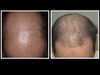
Finasteride is not a miracle drug; results vary widely, with only 2/5 getting good results. Combining treatments like minoxidil and finasteride may help, but expectations should remain low.
.
CumsOnYourFeet69 has been discussing a new treatment called CosmeRNA which claims to target the root cause of male pattern baldness, and is considering using it in conjunction with Minoxidil instead of Finasteride due to possible side effects. Replies have highlighted that the efficacy of this treatment is still unknown, but it could be used as an effective maintenance option if successful.
Finasteride significantly increased testosterone levels for the user, with no major side effects except watery semen, which was resolved with zinc supplements. The user's hairline stopped receding and slightly improved.
The conversation discusses the side effects of finasteride, including low libido and erectile dysfunction, and the possibility of these effects being permanent, known as post-finasteride syndrome (PFS). Some users report personal experiences with PFS and debate whether the condition is real, with varying opinions on the reversibility of side effects and the role of individual biology.
Minoxidil may cause wrinkles and dark circles, which some users report can be mitigated by adjusting dosage. Reactions vary, and while some dismiss these side effects, others experience significant changes.
The conversation discusses a new liposomal topical finasteride from Hasson and Wong, available in Canada and Italy, soon in the US, costing $40/month. It claims to reduce scalp DHT by 50% without affecting serum DHT, potentially benefiting those who can't tolerate oral finasteride or RU58841.
The user was rejected from participating in a clinical trial for an extended-release oral Minoxidil due to having rheumatoid arthritis, despite initially being accepted. They had stopped using Dutasteride and Minoxidil to qualify but continued using other treatments like RU58841 and red light therapy.
Finasteride can reduce neuroactive steroids, causing side effects like depression, anxiety, and sexual dysfunction. Some users experience persistent symptoms after stopping finasteride, while others use alternative treatments like topical solutions.
Topical dutasteride 0.05% is reported to outperform oral finasteride with minimal side effects, but concerns about study bias exist due to company funding. Some users report mixed results with topical dutasteride, noting issues with skin penetration and systemic absorption.
Higher doses of dutasteride reduce scalp DHT more effectively than finasteride, but have diminishing returns after 3mg daily and may cause more side effects. Combining dutasteride with topical minoxidil can enhance results, but using both finasteride and dutasteride together is unnecessary.
The conversation is about a finding that finasteride does not significantly increase the risk of sexual dysfunction, with users sharing mixed personal experiences regarding side effects.
Kintor Pharmaceutical's Phase 2 results with the drug Pyrilutamide, a potential alternative to 5-ARI drugs like Finasteride and Dutasteride but without the side effects. It could be used in combination with other topical treatments such as Minoxidil. The safety of the drug has been demonstrated in 6 months of use, however there are still questions about long term efficacy and systemic absorption.
A user shared their experience with hair regrowth using supplements like NAC and DIM, and briefly using minoxidil with microneedling. They reported some improvement in hair density, but the community questioned the effectiveness compared to traditional treatments like finasteride.
The user is experiencing hair that doesn't grow past a certain length despite using minoxidil and finasteride for male pattern baldness. Suggestions include trying dutasteride, microneedles, and ketoconazole shampoo.
The user experienced long-term pain after an FUE hair transplant and is considering Kenacort injections for relief. They also reported brain fog, dizziness, and anxiety after stopping minoxidil and finasteride, and are currently using PRP, microneedling, and rosemary oil for hair maintenance.
Using high doses of testosterone with RU58841 to create an androgen-free environment for hair regrowth is suggested, but concerns about heart health and the effectiveness of this approach are raised. Alternatives like topical estrogen, progesterone, and other treatments like finasteride and dutasteride are discussed.
Hair shedding can still occur after long-term use of finasteride, and it is often part of the natural hair cycle. Some users consider adding minoxidil or switching to dutasteride to manage shedding.
A user experienced significant hair regrowth and stopped hair loss after taking 0.5mg of dutasteride daily for a month, without using minoxidil. They reported no side effects and were pleased with the results.
A 25-year-old is struggling with hair loss despite using treatments like oral Minoxidil, oral and topical Finasteride, Dutasteride, and PRP sessions. They feel frustrated with inconsistent treatment strategies and are seeking advice on managing thin hair and regaining confidence.
Hair shedding decreased significantly after using finasteride and minoxidil, with users reporting fewer hairs falling out when running fingers through their hair. Some users experienced initial shedding with treatments like dutasteride, but shedding eventually stopped or reduced significantly.
Adding tretinoin to a regimen of minoxidil and finasteride led to increased hair shedding and worsened hairline for some users. Opinions vary, with some experiencing negative effects and others seeing no issues, but concerns about tretinoin's impact on hair loss are common.
A user is considering whether to get a hair transplant now or wait for results from using 5mg oral minoxidil. The discussion involves treatments like minoxidil, finasteride, and RU58841 for hair loss.
Shedding is common when using finasteride and minoxidil, and it typically stabilizes after a few months, with potential regrowth following. Users report varying experiences, but shedding is generally seen as a normal part of the treatment process.
The user is experiencing worsening hair loss despite using 0.5mg dutasteride, 2.5mg minoxidil, and Nizoral. They are seeking advice and reassurance from others who have faced similar issues.
A user reported that after experiencing hair thinning, they started using finasteride in 2024 and later began GHK-Cu peptide injections in March 2026, which they believe stopped their hair loss and made their hair feel thicker. The user shared their experience despite receiving criticism for not solely endorsing finasteride.
The user has been using oral minoxidil for 4 years and durum wheat 3 days a week for 7 months, but is experiencing increased hair loss when washing hair. They suspect it might be due to decreased DHT levels and are seeking similar experiences from others.
Hair loss significantly impacts self-perception and attractiveness, with treatments like finasteride, minoxidil, and hair transplants suggested. The conversation highlights the emotional struggle and societal perceptions tied to hair loss.
Hair loss may be linked to DHT, which can both suppress and increase inflammation, potentially as a defense mechanism. Treatments like Minoxidil, Finasteride, and RU58841 are discussed, but the exact cause of hair loss remains unclear.